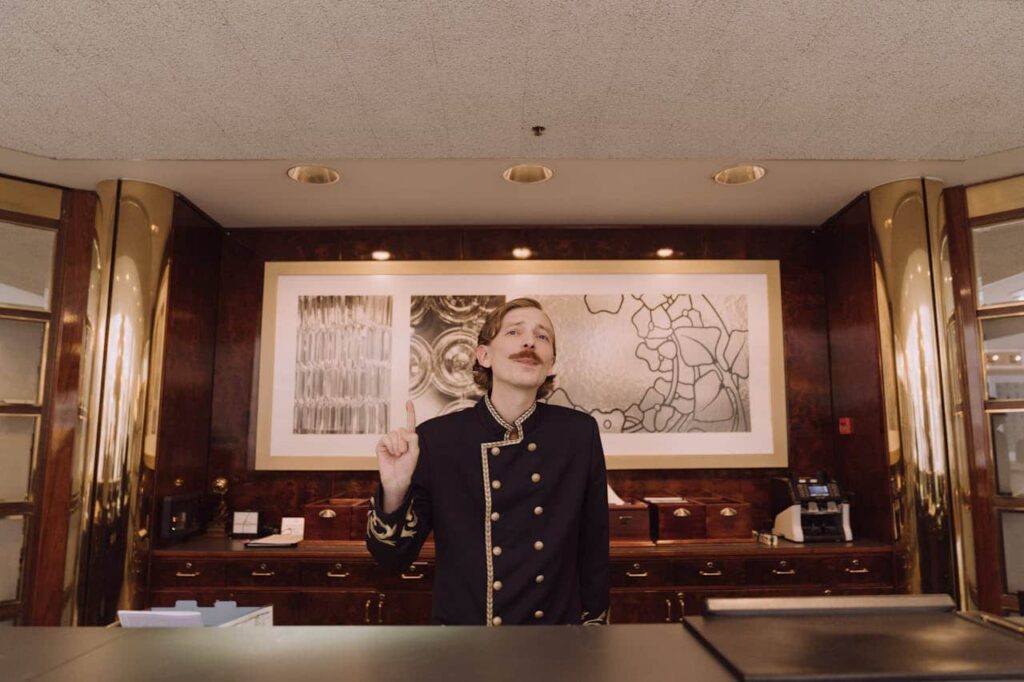
Luxury is often misunderstood. It is commonly associated with marble floors, crystal chandeliers, designer interiors, and extravagant spaces. While these elements create visual appeal, they do not define true luxury. Real luxury in the hospitality industry is far more human. It lies in intention, effort, and the willingness to go beyond what is expected. Luxury is not marble – it is someone choosing to take five extra steps.
At its core, hospitality is about people. Guests may arrive at a hotel, resort, or restaurant with certain expectations shaped by branding, pricing, or reputation. However, what they remember long after their stay is not the texture of the walls or the thread count of the sheets. It is how they were treated. It is the warmth of the welcome, the attentiveness of the staff, and the sense that someone genuinely cared about their experience.
Taking five extra steps is not always about grand gestures. In fact, it is often the smallest actions that create the biggest impact. A staff member remembering a guest’s name, a chef adjusting a dish to meet a personal preference, or a concierge offering thoughtful recommendations without being asked – these are the moments that define luxury. They require awareness, empathy, and a proactive mindset.
In today’s competitive hospitality landscape, physical infrastructure can be replicated. A beautifully designed lobby or a well-furnished room can be created by any brand with sufficient investment. But service culture cannot be copied so easily. It is built over time through leadership, training, and a shared commitment to excellence. The difference between a good experience and a memorable one often comes down to people who care enough to do more than what is required.
True luxury also involves anticipation. It is the ability to understand a guest’s needs before they are expressed. This requires observation and emotional intelligence. For example, noticing that a guest prefers a quiet corner table, or that they enjoy a particular type of tea, allows staff to personalize the experience without being intrusive. These details may seem minor, but they communicate a powerful message – that the guest is seen and valued as an individual.
Consistency is another critical element. One exceptional moment can impress a guest, but consistent excellence builds trust and loyalty. Luxury hospitality is not about occasional brilliance. It is about delivering a high standard every single time. This requires strong systems, clear communication, and a team that is aligned in its values. Every interaction, no matter how small, contributes to the overall perception of the brand.
The idea of taking extra steps also reflects a deeper philosophy. It is about ownership. When employees feel a sense of responsibility for the guest experience, they are more likely to act with initiative. Instead of following a script, they respond with authenticity. This creates a more natural and meaningful connection with guests. It also empowers staff to solve problems quickly and effectively, turning potential challenges into positive experiences.
Leadership plays a vital role in fostering this mindset. Leaders in the hospitality industry must go beyond operational management. They must inspire their teams to care, to pay attention, and to take pride in their work. This involves creating an environment where employees feel respected and motivated. When staff members feel valued, they are more likely to extend that same level of care to guests.
Technology has also become an important part of modern hospitality. From digital check-ins to personalized recommendations, it can enhance efficiency and convenience. However, technology should support human interaction, not replace it. Luxury is not about removing the human element. It is about using tools to enable staff to focus more on meaningful engagement. A seamless process is appreciated, but a genuine smile and thoughtful service are unforgettable.
Cultural understanding is another dimension of luxury. Guests come from diverse backgrounds, each with their own preferences and expectations. Being sensitive to these differences and adapting accordingly shows respect and professionalism. Whether it is dietary requirements, communication styles, or cultural norms, attention to these aspects adds depth to the guest experience.
Sustainability is increasingly becoming part of the definition of luxury. Modern guests are more aware of environmental and social issues. They appreciate brands that take responsibility and operate ethically. This does not mean compromising on comfort or quality. Instead, it means making conscious choices that balance luxury with sustainability. For example, reducing waste, sourcing local products, and supporting communities can enhance the brand’s value in the eyes of guests.
The emotional aspect of hospitality cannot be overlooked. Travel often carries personal significance. It may be a celebration, a business milestone, or a much-needed break. The way a guest is treated during these moments can have a lasting impact. When staff members recognize this and act with empathy, they elevate the experience beyond service. They create memories.
Ultimately, luxury is a mindset. It is not defined by price or appearance, but by attitude and intention. It is about choosing to care, choosing to notice, and choosing to go the extra mile. The five extra steps symbolize effort that is not demanded, but willingly given. They represent a commitment to excellence that goes beyond standards.
In a world where expectations are constantly rising, the hospitality industry must evolve. Guests are no longer satisfied with just comfort and aesthetics. They seek authenticity, personalization, and meaningful connections. This shift challenges brands to rethink what luxury truly means.
The future of luxury hospitality will belong to those who understand this distinction. It will be shaped by organizations that invest in people, nurture a culture of care, and prioritize the guest experience at every level. Physical assets will always matter, but they will not be enough. The real differentiator will be the human touch.
Luxury is not marble. It is not about what is seen at first glance. It is about what is felt throughout the experience. It is in the details, the effort, and the intention behind every action. It is someone choosing to take five extra steps, not because they have to, but because they want to. That choice is what transforms service into hospitality, and hospitality into something truly exceptional.