
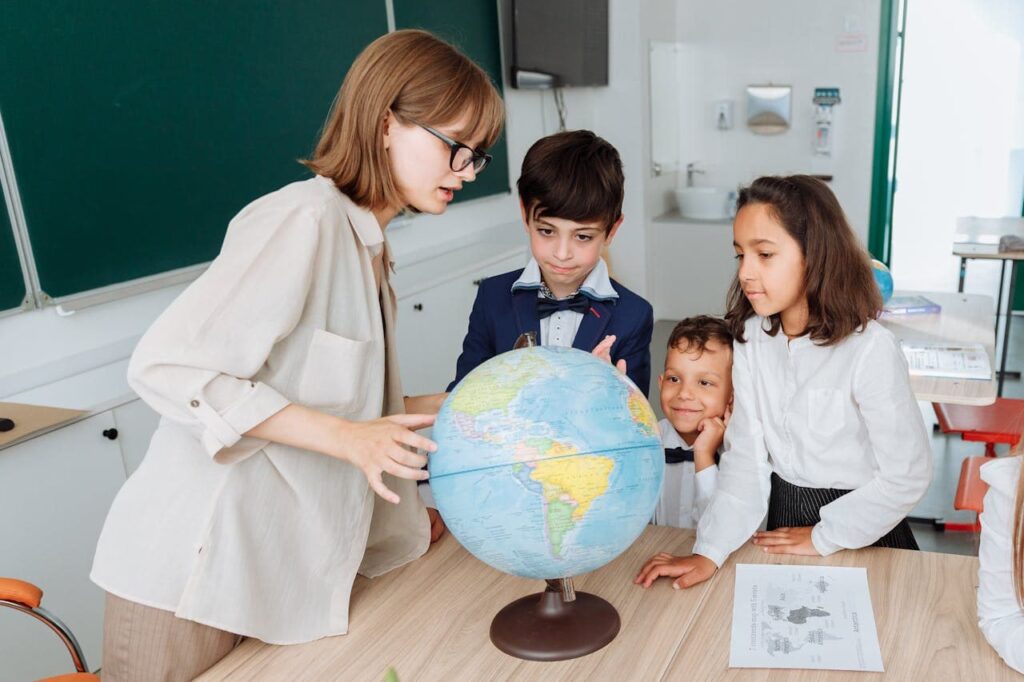
Education has long been viewed as the pathway to knowledge, career opportunities, and professional success. Schools and universities traditionally focus on academic excellence, equipping students with the technical skills and subject knowledge required for various professions. However, in today’s complex and interconnected world, academic achievement alone is not enough. Students must also be prepared ethically and socially to become responsible individuals who contribute positively to society. A well-rounded education must therefore address not only intellectual growth but also moral values, social awareness, and emotional development.
Academic knowledge forms the foundation of a student’s learning journey. Subjects such as science, mathematics, literature, and technology help students develop analytical thinking and problem-solving abilities. These skills are essential for innovation, research, and professional advancement. However, knowledge without ethical awareness can lead to decisions that prioritize personal or financial gain over social responsibility. Education must therefore ensure that students understand the importance of integrity, fairness, and accountability in their actions.
Ethical development helps students build a strong sense of right and wrong. It teaches them to consider the consequences of their decisions and to act with honesty and responsibility. Ethical education encourages students to respect others, value truth, and maintain transparency in both personal and professional settings. These values are particularly important in leadership roles where decisions can impact many people. When students learn ethical principles early in life, they are more likely to carry these values into their careers and communities.
Social awareness is another essential component of holistic education. Students live in societies that are diverse and constantly evolving. They interact with people from different cultural, social, and economic backgrounds. Education must help students develop empathy, respect, and an understanding of these differences. Socially aware individuals are better equipped to collaborate with others, resolve conflicts constructively, and contribute to inclusive environments.
One of the most effective ways to cultivate social awareness is through community engagement and collaborative learning experiences. When students participate in community service, volunteer programs, or group projects, they learn to appreciate different perspectives and understand real-world challenges. These experiences help them recognize the needs of others and develop a sense of responsibility toward their communities.
Another important aspect of ethical and social preparation is the development of emotional intelligence. Emotional intelligence involves understanding one’s own emotions, recognizing the feelings of others, and responding appropriately in different situations. Students who develop emotional intelligence are more capable of building strong relationships, managing stress, and communicating effectively. These abilities are valuable not only in personal life but also in professional environments where teamwork and collaboration are essential.
Educational institutions play a significant role in shaping these qualities. Teachers and educators serve not only as instructors but also as role models who demonstrate ethical behavior and respectful communication. Through their guidance, students learn how to approach challenges thoughtfully and interact with others in constructive ways. Classroom discussions, debates, and reflective activities can help students explore ethical dilemmas and understand the broader impact of their decisions.
Schools can also integrate ethical and social learning into their curriculum. Subjects such as social studies, philosophy, and civic education encourage students to think about justice, equality, and social responsibility. Discussions about historical events, cultural diversity, and global challenges help students develop a broader understanding of the world around them. These lessons encourage them to become thoughtful citizens who care about the well-being of society.
In addition to classroom learning, extracurricular activities also contribute to ethical and social development. Participation in sports, student organizations, cultural events, and leadership programs provides opportunities for students to practice teamwork, discipline, and responsibility. These activities teach students how to cooperate with others, respect rules, and handle both success and failure with maturity.
The role of families in supporting ethical and social education is equally important. Parents and guardians often provide the first examples of values and behavior that children observe. When families encourage honesty, kindness, and respect, they reinforce the lessons students receive in educational institutions. A strong partnership between schools and families creates a supportive environment that helps students develop balanced and responsible personalities.
Technology and social media have also changed the way students interact with the world. While digital tools provide valuable learning opportunities, they also raise new ethical and social challenges. Students must learn how to use technology responsibly, respect digital privacy, and engage respectfully in online discussions. Digital literacy education helps students understand how their actions in virtual spaces can affect others and encourages them to behave responsibly in the digital world.
Preparing students ethically and socially also strengthens leadership potential. Future leaders must make decisions that balance organizational goals with societal well-being. Leaders who possess strong ethical principles and social awareness are better equipped to build trust, inspire others, and create positive change. By cultivating these qualities in students, education systems help prepare the next generation of responsible leaders.
Moreover, ethical and social education contributes to healthier communities. Individuals who understand the value of empathy, cooperation, and respect are more likely to engage in constructive dialogue and support inclusive environments. These individuals become active citizens who participate in community initiatives, support social progress, and promote fairness in their workplaces and societies.
Educational institutions must therefore adopt a balanced approach that integrates academic learning with character development. Curriculum design, teaching methods, and school culture should all support this goal. Encouraging open dialogue, promoting diversity, and providing opportunities for service learning are practical ways to strengthen ethical and social education.
Preparing students in this holistic way also helps them navigate the uncertainties of modern life. In a rapidly changing world, technical knowledge may evolve quickly, but values such as integrity, empathy, and social responsibility remain constant. Students who develop these qualities are better prepared to adapt to new challenges while maintaining strong moral principles.
Ultimately, the purpose of education extends beyond academic achievement. It aims to shape individuals who can think critically, act responsibly, and contribute positively to society. By preparing students not only academically but also ethically and socially, education systems empower young people to lead meaningful lives and make thoughtful contributions to the world around them.
As societies continue to evolve, the importance of this balanced approach to education will only grow. When students are guided to develop strong knowledge, ethical awareness, and social understanding, they become capable individuals who are ready to shape a more responsible, inclusive, and sustainable future.