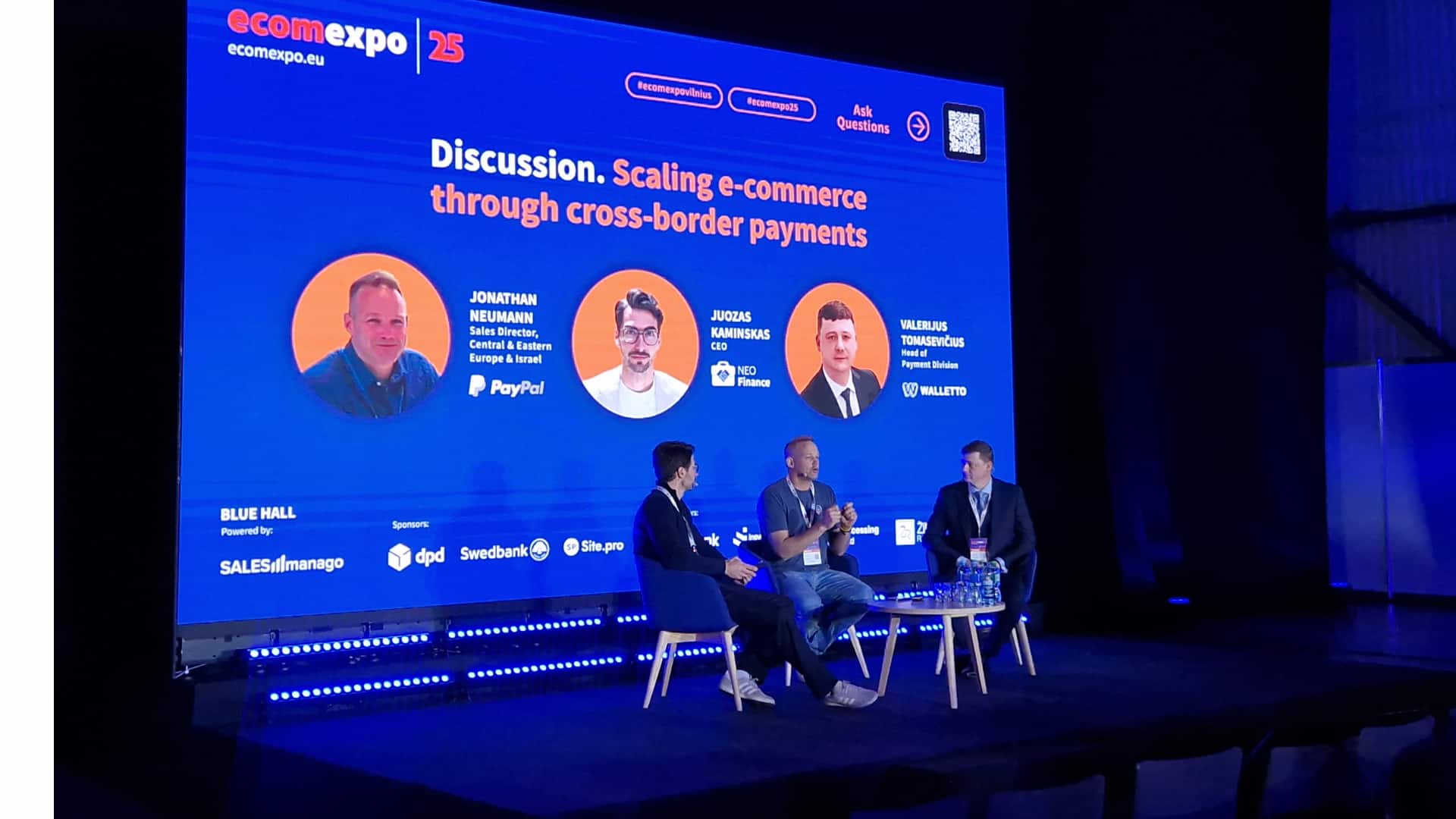

The way people communicate, learn, and connect has changed dramatically over the past decade. Digital technology has transformed conferences, business meetings, educational events, and industry summits, creating opportunities for audiences to participate from anywhere in the world. As organizations continue embracing hybrid work, virtual collaboration, and global connectivity, keynote speaking is entering a new era. The traditional image of a speaker standing before a large audience in a conference hall is expanding into a digital-first experience that combines technology, accessibility, and meaningful human interaction.
A digital-first world does not mean the end of in-person events. Instead, it means that keynote speakers must be prepared to engage audiences across multiple formats. Today, a keynote may be delivered live on stage while simultaneously being streamed to thousands of online participants. This shift has created both challenges and opportunities, requiring speakers to rethink how they deliver messages, interact with audiences, and create memorable experiences.
One of the biggest advantages of digital keynote speaking is global reach. In the past, event attendance was often limited by geography, travel costs, and venue capacity. Today, professionals from different countries can attend the same conference with just a stable internet connection. This allows keynote speakers to share ideas with far larger and more diverse audiences than ever before. Businesses, educational institutions, and industry associations can now invite internationally recognized speakers without the expense and complexity of international travel.
However, reaching a larger audience also brings greater responsibility. Digital audiences have shorter attention spans and far more distractions than attendees sitting in a conference room. Emails, notifications, social media, and multitasking compete for attention throughout virtual events. As a result, future keynote speakers must become more engaging, interactive, and concise. Long lectures filled with dense information are gradually giving way to presentations that include storytelling, visuals, audience participation, live polls, and real-world examples.
Storytelling will remain one of the most powerful tools in keynote speaking. Technology can enhance presentations with high-quality graphics, animations, and multimedia content, but it cannot replace the emotional impact of a compelling story. Audiences remember speakers who share authentic experiences, personal lessons, and relatable challenges. In a digital-first environment, where personal connection can sometimes feel distant, storytelling helps create trust and keeps audiences emotionally invested.
Artificial Intelligence is also changing how keynote speakers prepare and deliver presentations. AI-powered tools can help generate speech outlines, organize research, improve grammar, suggest presentation structures, and even analyze audience sentiment. Speakers can rehearse with AI coaching systems that provide feedback on pacing, vocal variety, eye contact, and confidence. These technologies reduce preparation time while helping speakers refine their delivery.
Despite these technological advancements, AI cannot replace the unique qualities that make keynote speakers memorable. Authenticity, empathy, humor, spontaneity, and emotional intelligence remain distinctly human strengths. Audiences appreciate speakers who respond naturally to unexpected situations, adapt to audience reactions, and communicate with sincerity. The future belongs to speakers who use AI as a support tool rather than allowing it to define their message.
The digital-first environment also requires speakers to develop new presentation skills. Speaking to a camera differs significantly from addressing a live audience. Maintaining eye contact through a webcam, using appropriate lighting, managing microphone quality, and controlling body language within a limited frame have become essential skills. Small technical details can significantly influence audience perception and engagement. Successful keynote speakers increasingly understand both communication and digital production.
Hybrid events are likely to become the standard for many organizations. These events combine physical audiences with virtual participants, requiring speakers to balance both experiences equally. A speaker must engage people sitting in the venue while also acknowledging viewers watching online. This demands careful planning, effective moderation, and interactive features that encourage participation from everyone regardless of location. Future keynote speakers will need to master this balance to deliver inclusive experiences.
Audience expectations are also evolving. People no longer attend keynote sessions simply to receive information. They seek inspiration, practical insights, and meaningful experiences that they can apply immediately. Information is widely available through search engines, online courses, and AI platforms. Therefore, keynote speakers must focus less on delivering facts and more on providing interpretation, perspective, and actionable advice. Their role is increasingly becoming that of a guide who helps audiences understand complex trends and make informed decisions.
Personal branding has become another essential aspect of keynote speaking. In a digital-first world, audiences often discover speakers through social media, podcasts, LinkedIn articles, YouTube videos, or online interviews before attending an event. A strong online presence enhances credibility and extends a speaker’s influence beyond a single presentation. Consistently sharing valuable insights allows speakers to build long-term relationships with their audiences and establish themselves as trusted thought leaders.
Video content will continue playing a central role in the future of keynote speaking. Short educational clips, behind-the-scenes content, expert interviews, and presentation highlights help speakers remain visible between live events. Rather than relying solely on annual conferences, speakers can engage audiences throughout the year by producing regular digital content. This continuous engagement strengthens audience loyalty and expands professional opportunities.
Data analytics will also influence keynote speaking. Digital platforms provide detailed information about audience engagement, attendance, viewing duration, participation rates, and feedback. Speakers can use these insights to improve future presentations by identifying which topics generate the highest interest and which delivery techniques keep audiences engaged. This ability to measure performance creates opportunities for continuous improvement that were difficult to achieve during traditional in-person events.
Inclusivity will become an even greater priority. Digital platforms make it easier to provide subtitles, real-time translations, closed captions, and accessible presentation formats for people with different needs. Speakers who embrace inclusive communication practices will reach broader audiences and create more welcoming experiences. Clear language, thoughtful visuals, and accessible content will become standard expectations rather than optional enhancements.
The future will also see greater collaboration between keynote speakers and event technology. Virtual reality, augmented reality, interactive displays, and immersive presentation environments may transform how audiences experience keynote sessions. Instead of simply watching a presentation, participants may interact with simulations, explore virtual environments, or engage with digital demonstrations that reinforce key concepts. While these technologies enhance engagement, the speaker’s message and delivery will remain the foundation of a successful presentation.
One important trend is the increasing demand for niche expertise. Rather than hiring general motivational speakers, organizations are seeking keynote speakers with deep knowledge in specific industries such as artificial intelligence, healthcare, cybersecurity, sustainability, finance, leadership, or digital transformation. Audiences value speakers who combine subject matter expertise with excellent communication skills and practical business experience.
Trust will continue to define successful keynote speaking. In an era where AI-generated content, misinformation, and digital overload are becoming more common, audiences are looking for credible voices they can rely on. Speakers who demonstrate honesty, transparency, and genuine expertise will stand out. Sharing real experiences, acknowledging uncertainties, and encouraging thoughtful discussions help build lasting credibility.
The future of keynote speaking is not about choosing between physical and digital platforms. It is about combining the strengths of both to create richer, more engaging experiences. Technology will continue to improve how presentations are delivered, but it will never replace the human ability to inspire, motivate, and connect with others. Great keynote speakers will use digital tools to expand their reach while preserving the authenticity that audiences value most.
As the world becomes increasingly digital, keynote speaking will remain one of the most influential forms of communication. The speakers who succeed will be those who embrace innovation without losing sight of the human connection at the heart of every meaningful presentation. By combining technology, expertise, creativity, and authenticity, the next generation of keynote speakers will shape conversations, inspire action, and influence audiences across the globe in ways that were once unimaginable.