Television has remained one of the most influential forms of media for generations. While digital platforms, social media, and streaming services have transformed how people consume content, television continues to play an important role in shaping conversations, sharing experiences, and connecting audiences. Its influence goes beyond entertainment. At its best, television creates a shared space where people can discover new perspectives, understand different experiences, and find common ground.
For decades, television has brought stories into people’s homes. Families have gathered around programs, communities have discussed important broadcasts, and audiences across countries have experienced major cultural moments together. This ability to create shared experiences makes television a powerful platform for meaningful connection.
Creating Shared Experiences
One of television’s greatest strengths is its ability to bring large audiences together around the same content. Major sporting events, award ceremonies, documentaries, news events, and popular television programs can become shared cultural experiences.
People may watch the same program in different homes, cities, or countries, yet feel connected through a common experience. They discuss characters, debate storylines, share opinions, and recommend programs to others. These conversations can create connections between people who may not otherwise have much in common.
Even fictional stories can become part of everyday conversations. A television series can introduce ideas about relationships, family, careers, social challenges, or personal identity that encourage viewers to reflect on their own lives.
Television Can Build Cultural Understanding
Television also provides audiences with opportunities to experience cultures beyond their own.
International dramas, travel programs, documentaries, cooking shows, and cultural programs can introduce viewers to different traditions, lifestyles, languages, and social practices. A viewer does not necessarily need to travel to another country to gain an introduction to how people live there.
This exposure can reduce unfamiliarity. Seeing another culture represented through its food, celebrations, family structures, music, and everyday routines can make it feel more understandable and relatable.
International television has become particularly influential through streaming platforms, which allow programs created in one country to reach audiences around the world. Stories that were once limited to local audiences can now become global conversations.
Stories That Encourage Empathy
Television storytelling can also encourage empathy by allowing viewers to see situations from different perspectives.
A well-developed character can make audiences understand experiences they have never personally faced. A drama about migration may help viewers understand the emotional challenges of leaving home. A documentary about disability may provide insight into barriers that others rarely notice. A series about family relationships may reveal how cultural expectations influence personal decisions.
This does not mean television can replace real-world interaction. Instead, it can create an emotional starting point for understanding.
When viewers become emotionally invested in a character or story, they may begin to question assumptions they previously held. This is one reason representation matters so strongly in television.
The Importance of Representation
Television has a significant responsibility in deciding whose stories are told and how they are presented.
For many years, certain communities were underrepresented or portrayed through narrow stereotypes. As audiences have become more diverse, there has been increasing demand for stories that reflect a broader range of experiences.
Authentic representation allows people to see themselves reflected on screen while also introducing other audiences to experiences outside their own.
Representation does not simply mean placing different people in television programs. It means giving characters depth, individuality, and realistic experiences. A community should not be reduced to a single stereotype or cultural characteristic.
When television presents diverse individuals as complete human beings with different ambitions, personalities, strengths, and challenges, it can contribute to a more balanced understanding of society.
Television and Important Conversations
Television can also provide a platform for discussing issues that may otherwise remain difficult to address.
Talk shows, documentaries, news programs, interviews, and scripted dramas can explore subjects such as education, poverty, mental wellbeing, technology, discrimination, climate change, family relationships, and social responsibility.
A carefully produced program can encourage audiences to think about these issues from multiple perspectives. It can bring experts, community members, policymakers, and ordinary people into the same conversation.
Television therefore has the potential to move discussions beyond headlines. Instead of presenting an issue only as a statistic, it can show the people behind the numbers and explain how larger social issues affect everyday lives.
Connecting Generations
Television can also create connections between generations.
Parents and children may watch programs together and use them as starting points for conversations. Older generations can introduce younger viewers to classic programs, historical documentaries, or cultural traditions, while younger viewers may introduce older family members to new genres and international content.
This exchange can help bridge generational differences.
Shared viewing experiences can become part of family memories. A favorite series, a major sporting event, or a television special may remain meaningful long after the program has ended because it is associated with time spent together.
Although individual viewing has become more common through personal devices, television content still has the ability to create collective experiences within families and communities.
The Changing Role of Television
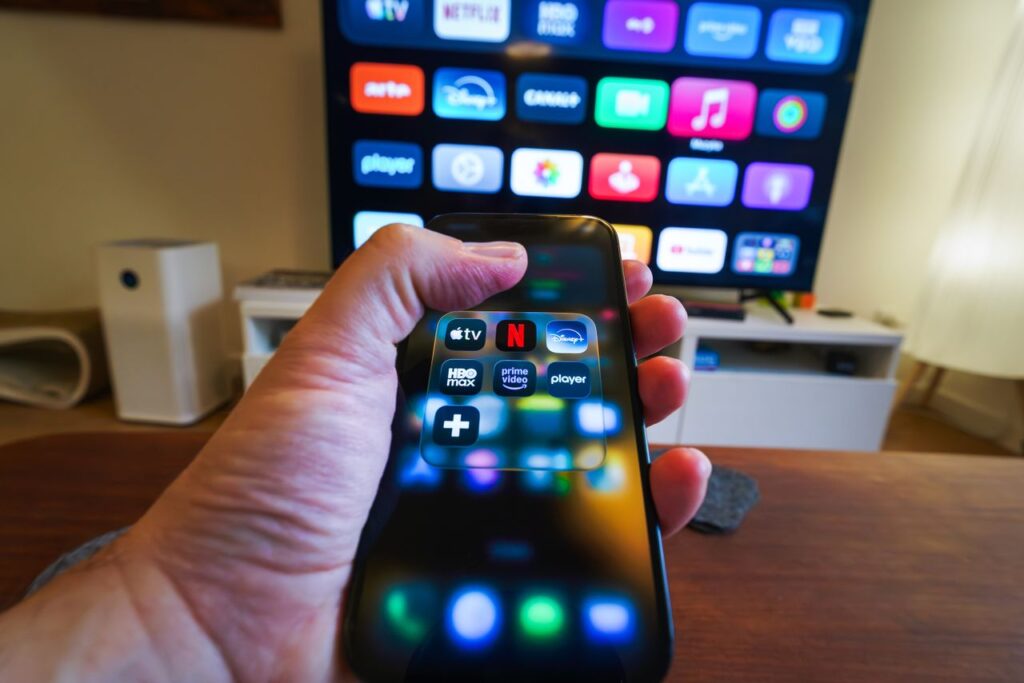
Television itself is changing. Traditional scheduled broadcasting now exists alongside streaming services, connected televisions, on-demand programming, and digital video platforms.
This transformation has changed the relationship between audiences and television. Viewers no longer have to wait for a specific broadcast time. They can choose what they want to watch and when they want to watch it.
This flexibility has expanded cultural exchange. A viewer can discover a series from another country and watch an entire season over a weekend. Programs can gain international audiences without traditional distribution networks.
At the same time, the abundance of content makes meaningful connection more challenging. Audiences can become divided among thousands of programs and platforms. The shared television experience that once brought entire communities together is less universal.
This makes thoughtful programming and strong storytelling even more important.
Television as a Bridge Between Communities
Television can connect communities by giving people opportunities to encounter perspectives that are different from their own.
A program about a local community can introduce its traditions to a national audience. A documentary can bring attention to an overlooked social issue. An international series can make foreign customs familiar to millions of viewers.
Television can also create opportunities for collaboration. Producers, actors, journalists, writers, and creative professionals from different countries can work together to develop stories that reflect multiple cultural perspectives.
These collaborations can enrich content while creating professional and cultural relationships across borders.
The Responsibility Behind the Screen
The power of television comes with responsibility. Producers and broadcasters influence what audiences see, how communities are represented, and which conversations receive attention.
Meaningful connection requires accuracy, sensitivity, and respect. Content creators must be careful not to exploit cultural differences simply for entertainment. They should avoid reinforcing harmful stereotypes and provide context when addressing complex cultural or social issues.
Audiences also have a role. Viewers can approach unfamiliar programs with curiosity, question what they see, and recognize that one television program cannot represent an entire culture.
Connection becomes meaningful when both creators and audiences participate thoughtfully.
A Medium That Continues to Connect
Television may look very different from the medium that existed decades ago, but its fundamental ability to connect people remains.
It can entertain families, inform communities, introduce cultures, highlight overlooked voices, and encourage conversations about important issues. Its influence now extends beyond traditional broadcasting into streaming and digital environments, giving television storytelling a wider global reach than ever before.
The most meaningful television does more than fill time. It gives audiences something to think about, something to discuss, and sometimes something to understand differently.
In a world where people can easily remain within familiar information bubbles, television can provide a window into lives beyond their own. When that window is created with authenticity and purpose, it becomes more than entertainment. It becomes a platform for empathy, dialogue, cultural understanding, and human connection.