
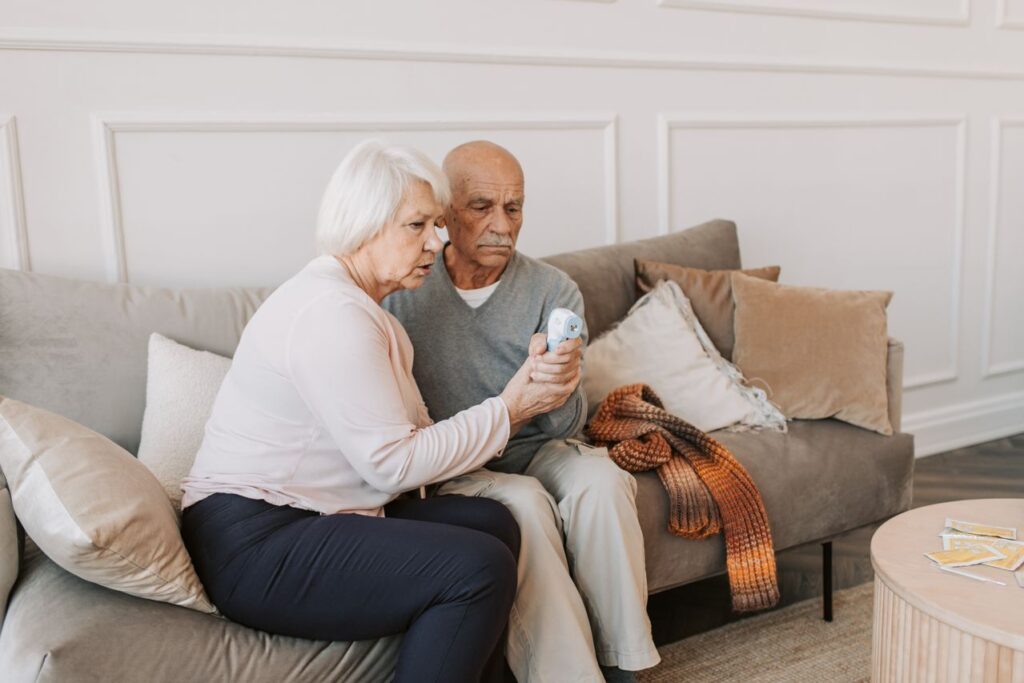
The world is experiencing a significant demographic shift as people are living longer than ever before. Advances in medicine, improved living conditions, and greater awareness of healthy lifestyles have increased life expectancy across many countries. While this is a positive development, it also brings new challenges and responsibilities. One of the most important priorities for societies today is ensuring that older adults receive the care, support, and healthcare services they need to live healthy, dignified, and fulfilling lives.
Senior care and healthcare have become essential pillars of modern communities. As populations age, governments, healthcare providers, families, and organizations must work together to create systems that address the physical, emotional, social, and financial needs of older adults.
Healthcare for seniors differs significantly from healthcare for younger populations. Aging naturally brings changes to the body that increase the risk of chronic illnesses such as heart disease, diabetes, arthritis, osteoporosis, and dementia. Many seniors require ongoing medical attention, medication management, and regular health monitoring. As a result, healthcare providers must adopt a more comprehensive and personalized approach to treatment.
Preventive healthcare plays a crucial role in maintaining senior well-being. Regular health screenings, vaccinations, and wellness check-ups help identify potential health issues before they become serious. Early detection often leads to better outcomes and improved quality of life. Encouraging seniors to remain physically active, eat balanced diets, and engage in mental exercises can also help prevent or delay many age-related conditions.
One of the most important aspects of senior healthcare is managing chronic diseases. Unlike acute illnesses that may be treated and resolved quickly, chronic conditions often require lifelong care. Effective management involves coordination between physicians, nurses, caregivers, specialists, and family members. Technology is increasingly supporting this effort through electronic health records, telemedicine, wearable health devices, and remote patient monitoring systems.
Telehealth has emerged as a particularly valuable tool for senior care. Virtual consultations allow older adults to connect with healthcare professionals without the challenges of travel. This is especially beneficial for individuals living in rural areas or those with mobility limitations. Telehealth services can provide routine consultations, medication reviews, mental health support, and follow-up care while reducing hospital visits and healthcare costs.
Mental health is another critical component of senior healthcare that deserves greater attention. Many older adults experience loneliness, depression, anxiety, or social isolation, especially after retirement, the loss of loved ones, or changes in physical health. These emotional challenges can significantly impact overall well-being and even contribute to physical health problems. Healthcare systems must integrate mental health services into senior care programs to ensure a holistic approach to wellness.
Social engagement plays a powerful role in supporting mental and emotional health among seniors. Community centers, senior clubs, volunteer opportunities, educational programs, and recreational activities help older adults remain connected and active. Maintaining meaningful relationships and participating in social activities can improve cognitive function, reduce stress, and enhance life satisfaction.
The role of caregivers cannot be overlooked when discussing senior care. Family members often provide substantial support to aging relatives, assisting with daily activities, transportation, medication management, and emotional care. While caregiving can be rewarding, it can also be physically, emotionally, and financially demanding. Many caregivers face challenges balancing their responsibilities with work and personal commitments.
Supporting caregivers is therefore an essential part of an effective senior care system. Training programs, respite care services, counseling resources, and financial assistance can help reduce caregiver stress and improve outcomes for both caregivers and seniors. Recognizing caregivers as valuable partners in healthcare delivery is crucial for creating sustainable care models.
Long-term care services have become increasingly important as the number of aging adults continues to grow. These services range from in-home care and assisted living facilities to nursing homes and specialized memory care centers. The goal is to provide appropriate support while preserving independence and dignity whenever possible. Many seniors prefer aging in place, remaining in their own homes and communities for as long as they can safely do so. Advances in home healthcare technology and support services are making this option more accessible than ever.
Innovation is transforming the future of senior healthcare. Artificial intelligence, robotics, smart home systems, and digital health platforms are creating new opportunities to improve care delivery. Smart devices can monitor health conditions, detect falls, remind individuals to take medications, and alert caregivers in emergencies. These technologies enhance safety, independence, and peace of mind for both seniors and their families.
Despite these advancements, affordability remains a major concern. Healthcare expenses often increase with age, placing financial pressure on individuals and families. Policymakers and healthcare leaders must address issues related to access, insurance coverage, long-term care funding, and healthcare equity. Every senior deserves access to high-quality care regardless of income, location, or background.
Healthcare organizations are increasingly adopting person-centered care models that focus on individual preferences, values, and goals. Rather than treating medical conditions alone, providers seek to understand the whole person and develop care plans that support overall quality of life. This approach promotes dignity, autonomy, and better health outcomes.
Education and awareness are also essential in preparing societies for an aging future. Communities must foster greater understanding of aging-related issues and encourage healthy aging practices across all generations. Investing in preventive care, caregiver support, workforce development, and healthcare innovation will help build stronger systems capable of meeting future demands.
As global populations continue to age, senior care and healthcare will remain among the most important challenges and opportunities of the twenty-first century. By combining medical excellence, compassionate care, technological innovation, and community support, societies can create environments where older adults thrive rather than merely survive.
Ultimately, the goal of senior care is not simply to extend life but to enhance its quality. Every individual deserves the opportunity to age with dignity, independence, purpose, and respect. By prioritizing comprehensive healthcare and supportive care systems, we can ensure that older adults continue to contribute their wisdom, experience, and value to society while enjoying healthy and fulfilling lives.