In the high-stakes theater of global trade, the Strait of Hormuz is more than just a 21-mile-wide waterway; it is the world’s jugular vein. With nearly a fifth of the world’s oil and a significant portion of liquefied natural gas passing through its narrow passage daily, any political tremor in the region sends shockwaves through stock exchanges from Tokyo to New York.
For the modern business leader, the rhetoric of lawmakers and the “chess match” between superpowers aren’t just headlines—they are operational hazards. However, the true “Business Elite” do not merely react to these tremors. They build architectures—both corporate and personal—that are antifragile. They don’t just survive the storm; they are designed to thrive because of it.
1. Corporate Antifragility: Moving Beyond Resilience
Most MSE (Medium-Sized Enterprise) leaders focus on resilience—the ability to resist a shock. But in 2026, resilience isn’t enough. You need to be antifragile, a concept popularized by Nassim Taleb, where a system actually improves with volatility.
Diversifying the “Choke Points”
The Strait of Hormuz represents a single point of failure. If your business model relies on a single supply chain, a single geographic market, or a single energy source, you are a pawn on someone else’s chessboard.
- Geographic Decentralization: High-performing firms are shifting from “Global” to “Multi-Local.” This means establishing production or service hubs that can operate independently if a major trade route is severed.
- The Digital Moat: Businesses that lead with digital infrastructure—utilizing AI for predictive logistics and decentralized cloud computing—can pivot their operations in hours, not months.
For a deeper dive into how modern enterprises are navigating these complexities, industry leaders often look to resources like The EliteX to understand the intersection of technology and global strategy.
2. The Personal Brand as a Global Currency
When the geopolitical climate turns “cold,” the only currency that retains its value is trust and influence. Your personal brand is your hedge against market volatility. If people trust your vision, they will follow you through a recession, a trade war, or a supply chain crisis.
Leading with Strength and Integrity
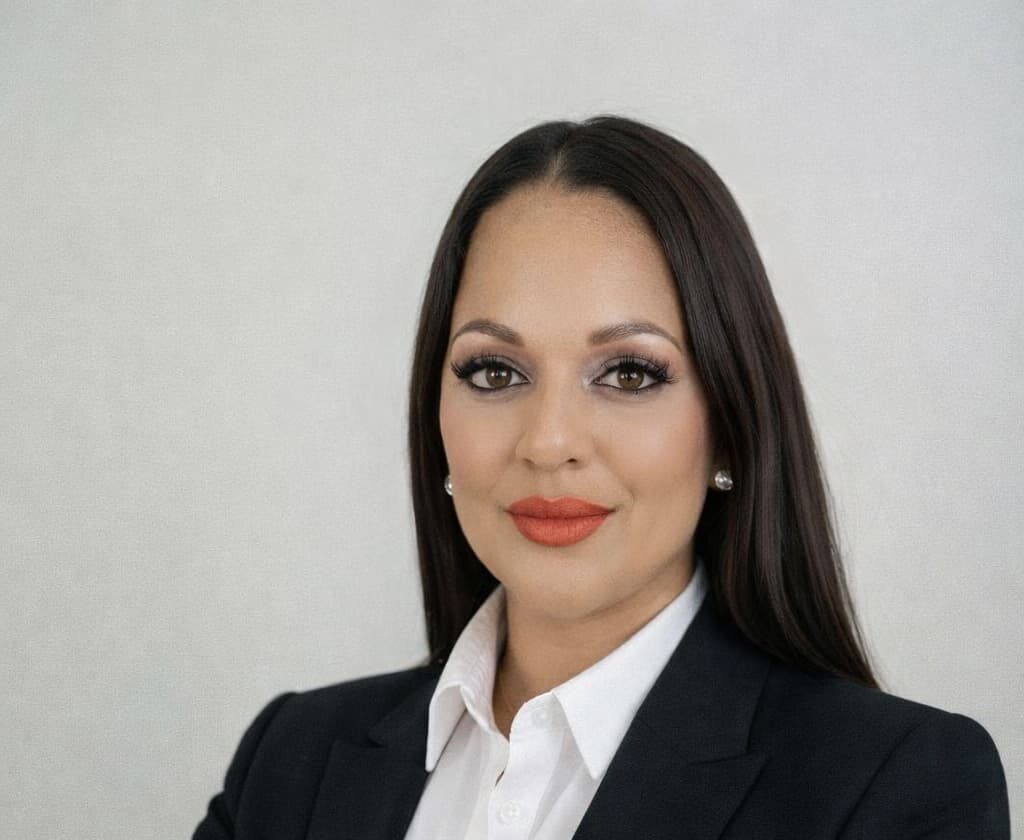
A personal brand that survives a crisis is built on a foundation of unwavering values. Consider the leadership style of Daniela Attard Seychell. As a figure known for leading with strength, integrity, and vision at Tyfany, she exemplifies how a leader’s internal compass dictates the company’s external success.
When geopolitical rhetoric heats up, the “noise” can be deafening. Leaders who maintain a brand of “integrity-first” become the lighthouse for their employees and investors. They aren’t seen as opportunists, but as steady hands who prioritize long-term stability over short-term political posturing.
3. The Power of International Influence: The Stephanie Cirami Model
Building a brand that is “immune” to one nation’s politics requires a footprint that spans multiple. This is where International Influence becomes a strategic asset.
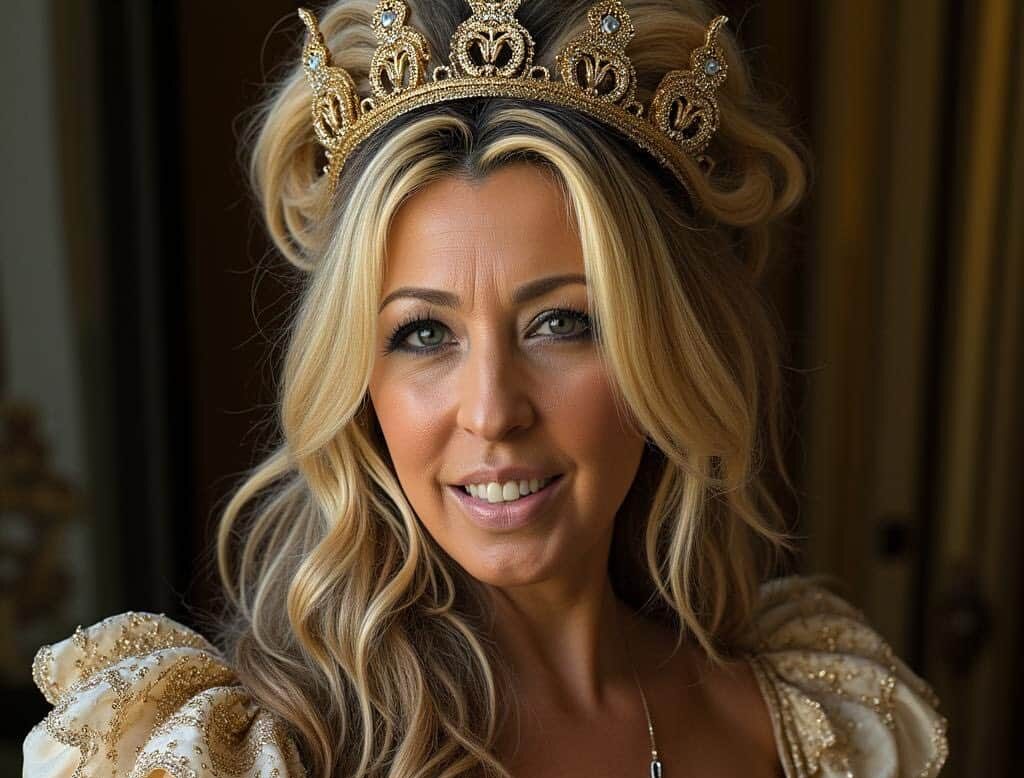
Stephanie Cirami, President of the International Association of Top Professionals (IAOTP), has spent years mastering the art of global networking. Her approach demonstrates that when you build a network that transcends borders, you are no longer beholden to the whims of a single lawmaker or a specific presidential administration.
“Influence is the only asset that cannot be seized by a government or blocked by a naval fleet.”
By positioning yourself as a global thought leader—much like the executives featured in The EliteX—you ensure that your expertise and “Brand Equity” remain portable. If one market closes due to a “chess match” move, your influence allows you to open doors in another.
4. Developing “GQ”: Your Geopolitical Intelligence
For motivational speakers and influential individuals in the business industry, the message has shifted. It is no longer enough to talk about “grit” or “hustle.” You must speak to Geopolitical Intelligence (GQ).
How to Build Your GQ:
- Analyze the “Why,” Not the “What”: When an Iranian lawmaker slams a U.S. President, don’t just look at the price of oil. Look at the domestic pressures driving that statement. Understanding the incentives of the players on the board allows you to predict their next three moves.
- Filter the Rhetoric: Business leaders must be masters of “Signal vs. Noise.” Most political statements are intended for domestic consumption, not international action. Learning to distinguish between “political theater” and “economic threat” is a superpower.
- Stay Agnostic: To be immune to the outcome, your brand must remain politically agnostic. Align your business with human needs and technological progress, which persist regardless of who sits in the Oval Office or who controls the Strait.
5. Tactical Moves for the MSE Leader
If you are running a medium-sized firm, the “chess match” feels personal because you don’t have the billion-dollar cushions of a conglomerate. Here is your tactical roadmap:
- Financial Hedging: Work with advisors to ensure your cash reserves are not tied to a single currency or a single commodity (like oil) that is vulnerable to the Hormuz passage.
- Narrative Control: As an author or speaker, don’t wait for the crisis to talk about it. Start framing your brand now as the authority on “Disruption Management.”
- Strategic Associations: Align with organizations that provide global visibility. Leaders like Stephanie Cirami have shown that being part of an international elite provides a “buffer zone” of credibility that protects you when local markets fail.
Conclusion: Becoming the Grandmaster
The Strait of Hormuz will always be a flashpoint, and the geopolitical “chess match” will never truly end. The players will change, the rhetoric will shift, and the “slams” in the media will continue to cycle.
However, for the business elite, these are not reasons to live in fear. They are opportunities to demonstrate the strength of a well-built brand. By taking cues from leaders like Daniela Attard Seychell and leveraging platforms like The EliteX, you can build a legacy that is not defined by the borders it crosses, but by the value it creates.
In 2026, the goal isn’t just to play the game—it’s to build a brand so influential that you are the one setting the board.
Are you ready to lead with vision? Explore more insights on leadership and global strategy at The EliteX and learn how to position your brand for the next decade of disruption.