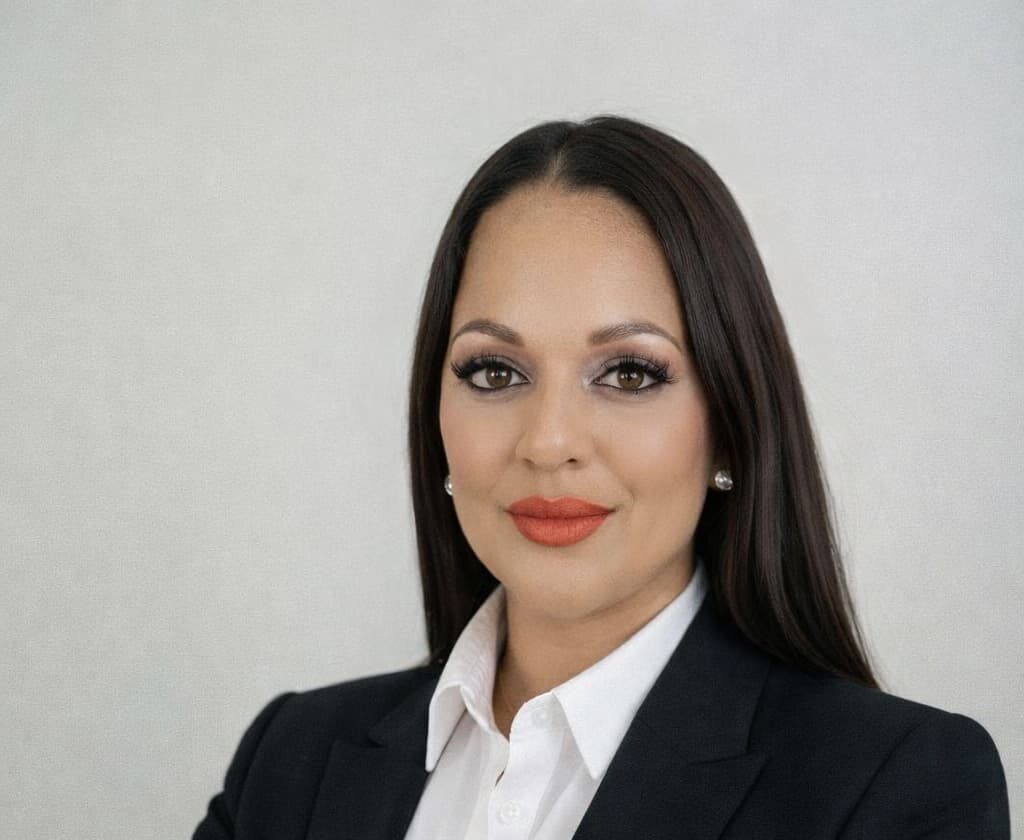

The financial industry is changing rapidly. Technology, shifting customer expectations, global economic uncertainty, and new approaches to business are influencing how financial organizations operate. At the center of this transformation are leaders who can combine financial knowledge with adaptability, strategic thinking, and a strong understanding of people. Women leaders are increasingly playing an important role in shaping this new direction.
For many years, finance was viewed as a traditionally male-dominated field, particularly at senior levels. Today, women are taking on influential positions across banking, investment management, fintech, accounting, insurance, corporate finance, and financial consulting. Their growing presence is contributing to broader perspectives in decision-making and helping organizations approach complex challenges from different angles.
One of the most significant ways women leaders are influencing finance is through a more inclusive approach to leadership. Effective financial leadership is no longer limited to managing budgets, investments, or financial performance. It also involves understanding employees, customers, communities, and changing market expectations. Women leaders are often bringing greater emphasis to collaboration, communication, mentorship, and stakeholder engagement. These qualities can help organizations build stronger teams and create workplaces where employees feel encouraged to contribute ideas.
Technology is another area where women leaders are making an impact. The financial sector is undergoing a major digital transformation, with artificial intelligence, automation, data analytics, blockchain, and digital banking changing traditional financial processes. Women leaders are increasingly involved in decisions about how these technologies can be applied to improve efficiency and customer experiences. Rather than viewing technology simply as a cost-saving tool, forward-thinking leaders are using it as a foundation for innovation and long-term growth.
Data-driven decision-making has become particularly important in modern finance. Financial organizations have access to enormous amounts of information, but turning that information into useful insights requires strong analytical thinking and strategic judgment. Women leaders are helping organizations balance data with human understanding. This combination can support better risk management, more personalized financial services, and more informed business decisions.
Another important contribution is the growing focus on financial inclusion. Millions of people around the world still face barriers to accessing banking, investment, insurance, and other financial services. Women leaders are helping bring greater attention to the needs of underserved communities and customers. Digital financial platforms, mobile banking, accessible investment products, and financial education are creating new possibilities for people who were previously excluded from traditional financial systems.
Women leaders are also changing the way organizations think about risk. Finance requires careful risk assessment, but today’s risks extend beyond traditional financial indicators. Cybersecurity threats, climate-related challenges, regulatory changes, supply chain disruptions, and geopolitical uncertainty can all influence financial performance. Strong leadership requires the ability to evaluate these interconnected risks while remaining prepared to act when opportunities emerge. Diverse leadership teams can bring different perspectives to these discussions, helping organizations challenge assumptions and consider a wider range of outcomes.
Mentorship and professional development are equally important to the future of the industry. As more women reach senior positions, many are becoming mentors and advocates for younger professionals. Their experiences can help emerging talent understand how to navigate demanding careers, develop leadership skills, and build confidence. Creating visible pathways to leadership is especially important because representation at senior levels can encourage more women to consider long-term careers in finance.
The influence of women leaders also extends beyond individual organizations. Their work is contributing to broader conversations about workplace culture, equal opportunity, ethical leadership, and sustainable growth. Today’s financial institutions are increasingly expected to demonstrate not only strong financial performance but also responsible business practices. Leaders who understand the relationship between financial results and wider social and environmental considerations can help organizations respond to these expectations more effectively.
However, progress should not be mistaken for completion. Women continue to face challenges in achieving equal representation across many areas of finance, particularly in executive and board-level positions. Closing these gaps requires more than recruitment. Organizations need transparent promotion processes, effective mentorship programs, flexible working practices, leadership development opportunities, and cultures that recognize talent based on capability and performance.
The future of finance will require leadership that is adaptable, technology-aware, collaborative, and prepared to manage uncertainty. Women leaders are demonstrating these qualities while helping challenge outdated assumptions about what effective financial leadership looks like. Their contribution is not simply about increasing the number of women in the industry. It is about strengthening the quality and diversity of ideas that shape important financial decisions.
As the financial sector continues to evolve, organizations that embrace diverse leadership will be better positioned to understand changing markets and customer needs. Women leaders are helping create a financial industry that is more innovative, inclusive, resilient, and responsive to the world around it.
Their growing influence represents an important shift in the industry. By combining financial expertise with innovation, collaboration, and a broader perspective on business, women leaders are not only participating in the future of finance—they are helping define what that future will look like.