
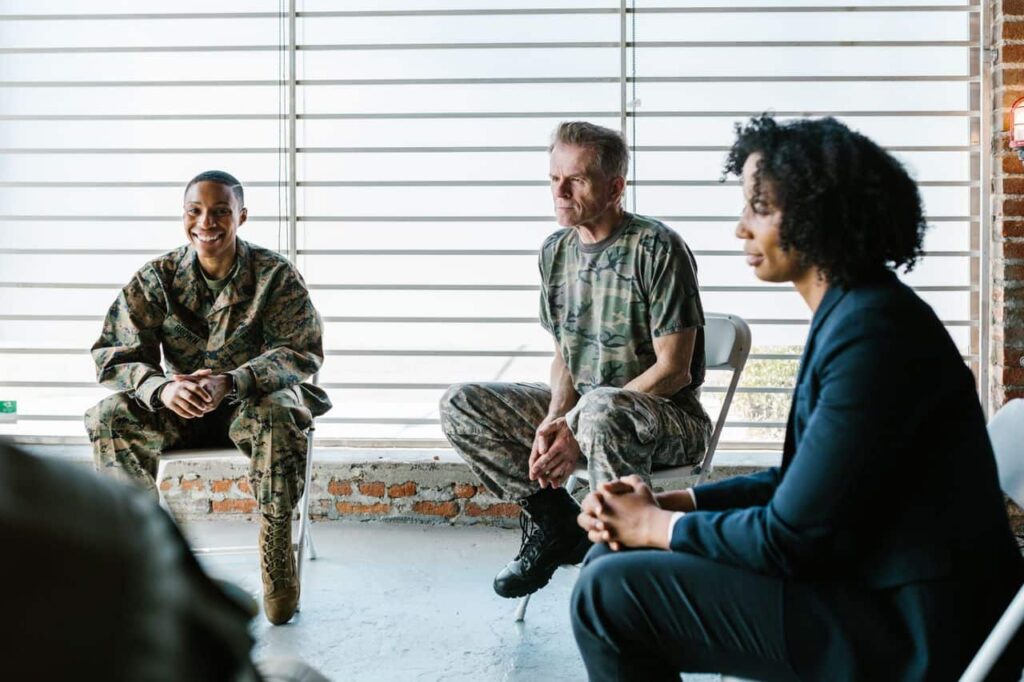
Leadership is changing. Today’s business world demands more than technical expertise or years of experience. Organizations need leaders who can adapt to change, inspire diverse teams, make sound decisions under pressure, and lead with integrity. As industries continue to evolve, veterans are proving that the leadership skills developed during military service are not only relevant but also highly valuable in modern workplaces.
Veterans bring a unique perspective to leadership. Their experiences have taught them how to perform in demanding situations, work toward shared goals, and place the success of the team above personal recognition. These qualities are helping redefine what effective leadership looks like in today’s fast-changing business environment.
One of the biggest ways veterans are reshaping leadership is by leading with purpose. In the military, every mission has a clear objective, and every individual understands how their role contributes to achieving it. This sense of purpose creates alignment, accountability, and motivation.
In business, veteran leaders often apply the same principle. They help employees understand not only what they need to do but also why their work matters. When people see how their contributions support the organization’s larger mission, they become more engaged and committed. Purpose-driven leadership creates stronger teams and encourages employees to perform at their best.
Another defining quality of veteran leaders is resilience. Military service prepares individuals to face uncertainty, solve problems under pressure, and remain focused during difficult situations. These experiences become valuable assets in today’s business world, where organizations regularly encounter economic changes, technological disruption, and shifting customer expectations.
Rather than becoming discouraged by setbacks, veteran leaders view challenges as opportunities to learn and improve. They understand that success rarely follows a straight path and that adaptability is essential for long-term growth. Their calm and steady approach helps teams remain confident even during periods of uncertainty.
Modern leadership also requires emotional intelligence, and many veterans are demonstrating that strength in meaningful ways. While military leadership is often associated with discipline and structure, it also places significant importance on understanding people, building trust, and supporting team members.
Veteran leaders know that every individual brings different experiences, strengths, and perspectives. They recognize the importance of listening carefully, communicating openly, and creating environments where employees feel respected. By building strong relationships, they encourage collaboration and improve team performance.
Trust has become one of the most valuable qualities in leadership today. Employees want leaders who are honest, transparent, and consistent in their actions. Veterans understand that trust cannot be demanded—it must be earned.
Military leaders are trained to lead by example. They demonstrate accountability, accept responsibility for their decisions, and remain committed to the well-being of their teams. In business, this leadership style strengthens organizational culture and encourages employees to follow with confidence.
Another way veterans are redefining leadership is through decisive decision-making. Business leaders often face situations where they must make important choices with limited information. Waiting for perfect certainty can lead to missed opportunities.
Military experience teaches leaders how to gather available information, assess risks, and make timely decisions while remaining flexible enough to adjust when circumstances change. Veteran leaders bring this balanced approach into the workplace, helping organizations respond quickly without losing sight of long-term goals.
Teamwork remains at the heart of military leadership, and veterans continue to emphasize its importance in business. Successful organizations depend on collaboration across departments, functions, and locations. No single person can achieve success alone.
Veteran leaders encourage cooperation by promoting shared responsibility, mutual respect, and open communication. They understand that strong teams are built through trust, not competition. By creating inclusive environments where every voice matters, they help organizations unlock greater innovation and productivity.
Diversity is another area where veterans are making a positive impact. Military teams often consist of individuals from different backgrounds, cultures, and experiences who must work together toward a common objective. This experience helps veterans appreciate the value of diverse perspectives.
In modern organizations, diversity of thought drives creativity and better decision-making. Veteran leaders often foster workplaces where employees feel comfortable sharing ideas, asking questions, and challenging assumptions in constructive ways. This inclusive leadership style strengthens both organizational culture and business performance.
Technology is transforming every industry, and leadership must evolve alongside it. Artificial intelligence, automation, digital transformation, and data-driven decision-making are reshaping how businesses operate. Veteran leaders understand that while technology can improve efficiency, people remain the most important asset in any organization.
Rather than viewing technology as a replacement for human leadership, veterans often see it as a tool that supports better decision-making and operational excellence. They encourage continuous learning so employees can develop new skills while remaining adaptable to technological change.
Integrity continues to define veteran leadership. Ethical decision-making has become increasingly important as organizations face growing expectations from employees, customers, investors, and communities. Leaders are expected to operate with transparency, fairness, and accountability.
Veterans bring strong ethical foundations developed through years of service. They understand the importance of doing what is right, even when difficult decisions must be made. This commitment builds credibility and strengthens long-term relationships with employees, customers, and business partners.
Continuous learning also plays a central role in modern leadership. Military professionals regularly participate in training, leadership development, and skill-building throughout their careers. This commitment to personal growth continues after transitioning into civilian life.
Veteran leaders understand that leadership is never complete. They remain curious, seek feedback, embrace new ideas, and invest in developing both themselves and their teams. This growth mindset helps organizations stay competitive in an environment of constant change.
Many veterans are also becoming successful entrepreneurs. After leaving military service, they apply their leadership experience to build businesses across industries such as technology, healthcare, manufacturing, consulting, cybersecurity, logistics, and professional services. Their ability to manage risk, solve complex problems, and remain committed to long-term goals often contributes to sustainable business success.
Organizations are increasingly recognizing the value veterans bring to leadership positions. Companies that actively recruit, develop, and support veteran talent gain access to professionals with proven experience managing teams, leading through uncertainty, and delivering results under pressure.
Mentorship programs, leadership development initiatives, and inclusive hiring practices help veterans transition successfully into corporate roles while strengthening the organization as a whole. These efforts also create opportunities for knowledge sharing, allowing businesses to benefit from the unique leadership perspectives veterans bring.
As the workplace continues to evolve, the qualities that define exceptional leadership are becoming clearer. Organizations need leaders who communicate with honesty, adapt to change, build trust, empower others, and remain focused on long-term success. Veterans consistently demonstrate these characteristics through both their military service and their professional careers.
The future of leadership is not defined by titles or authority but by the ability to inspire people, create resilient teams, and lead with purpose. Veterans are helping shape this future by showing that leadership is built on service, accountability, integrity, and continuous growth.
Their influence extends far beyond the organizations they lead. By bringing discipline, empathy, resilience, and a mission-focused mindset into the business world, veterans are redefining modern leadership for a new generation. As businesses face increasingly complex challenges, these leaders continue to prove that the values forged through service remain among the strongest foundations for lasting success.