
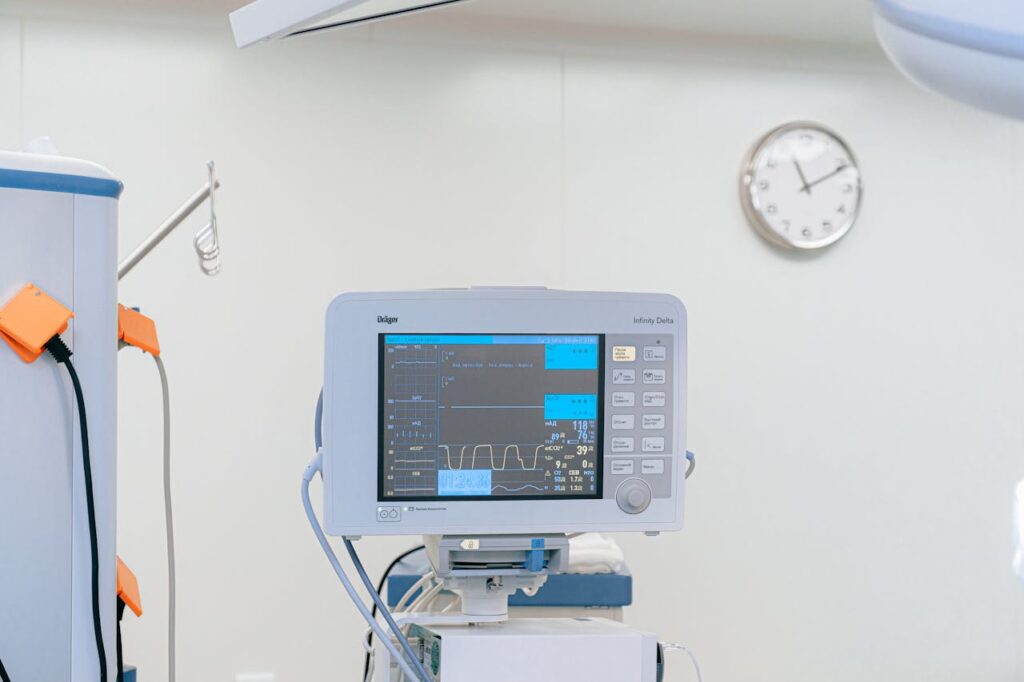
Healthcare is entering a new era driven by innovation, digital systems, and scientific advancement. Technologies such as artificial intelligence, advanced diagnostics, and regenerative medicine are changing how care is delivered, improving both the speed and accuracy of medical treatment. What once seemed futuristic is now becoming part of everyday healthcare, helping doctors make better decisions, improving patient experiences, and creating new possibilities for treatment and recovery.
The healthcare industry has always evolved through medical discoveries and technological progress. From the invention of vaccines to the development of surgical equipment, innovation has consistently improved human health. Today, however, the pace of change is faster than ever. Modern healthcare is becoming more connected, data-driven, and personalized, allowing healthcare providers to deliver care more efficiently while focusing on individual patient needs.
Artificial intelligence is one of the most influential technologies shaping modern medicine. AI systems can analyze large amounts of medical data within seconds, helping doctors identify patterns that might otherwise be difficult to detect. In many hospitals, AI is already being used to support diagnosis, review medical images, monitor patient conditions, and assist with treatment planning.
For example, AI-powered imaging systems can help radiologists detect diseases such as cancer earlier and with greater precision. Algorithms trained on thousands of medical scans can identify abnormalities in X-rays, MRIs, and CT scans with remarkable accuracy. While AI does not replace doctors, it acts as a powerful support tool that helps healthcare professionals make faster and more informed decisions.
Artificial intelligence is also improving predictive healthcare. By analyzing patient history, genetic information, and health patterns, AI systems can help identify individuals at higher risk for certain diseases. Early prediction allows doctors to intervene sooner, improving outcomes and reducing healthcare costs. Preventive care supported by AI may become one of the most important developments in future healthcare systems.
Another major advancement is the growth of advanced diagnostic technologies. Traditional diagnostic methods often required long waiting periods and multiple hospital visits. Today, newer diagnostic systems are becoming faster, less invasive, and more precise. Portable diagnostic devices, digital imaging tools, and molecular testing technologies are helping healthcare providers detect diseases earlier than ever before.
Genetic testing and genomic medicine are also transforming diagnostics. Doctors can now study a patient’s genetic profile to better understand disease risk, treatment response, and inherited conditions. This has contributed to the rise of personalized medicine, where treatments are tailored specifically to the individual rather than using a general approach for all patients.
Personalized medicine is especially important in cancer treatment. In the past, cancer therapies often followed standard treatment plans. Today, doctors can analyze the genetic characteristics of tumors and select targeted therapies that are more effective for specific patients. This approach improves treatment precision while reducing unnecessary side effects.
Regenerative medicine is another rapidly developing area that is changing the future of healthcare. Regenerative medicine focuses on repairing, replacing, or regenerating damaged tissues and organs. Stem cell therapy, tissue engineering, and regenerative treatments are offering new hope for conditions that were once considered difficult or impossible to treat.
Researchers are exploring ways to regenerate heart tissue after cardiac damage, restore spinal injuries, repair joints, and even develop lab-grown organs for transplantation. Although many regenerative treatments are still in development, the field has already shown significant promise in improving recovery and restoring function for patients with chronic conditions and serious injuries.
3D printing technology is also supporting modern healthcare innovation. Medical professionals now use 3D printing to create customized prosthetics, surgical tools, implants, and anatomical models for surgical planning. Personalized medical devices improve comfort, functionality, and treatment accuracy for patients. In some advanced research settings, scientists are even exploring the possibility of bioprinting human tissues and organs in the future.
Telemedicine has become another important part of modern healthcare delivery. Virtual consultations allow patients to connect with doctors remotely through smartphones, tablets, or computers. This has improved healthcare access for people living in remote areas, elderly individuals, and patients with limited mobility. Telemedicine also reduces travel time, lowers costs, and allows healthcare providers to manage more patients efficiently.
During the COVID-19 pandemic, telehealth adoption increased dramatically across the world. What began as an emergency solution quickly became a long-term healthcare strategy. Many healthcare systems now continue offering digital consultations because patients value the convenience and accessibility of virtual care.
Wearable technology is also changing how patients manage their health. Devices such as smartwatches, fitness trackers, glucose monitors, and heart monitoring systems allow individuals to track their health continuously. These tools encourage preventive care by helping people monitor activity levels, sleep patterns, blood pressure, heart rate, and other important health indicators.
Remote patient monitoring has become especially valuable for managing chronic diseases such as diabetes, hypertension, and cardiovascular conditions. Doctors can review patient data remotely and detect warning signs before problems become severe. This improves long-term disease management and reduces hospital admissions.
Robotic technology is also making surgeries safer and more precise. Robotic-assisted surgical systems allow surgeons to perform complex procedures with enhanced control, flexibility, and accuracy. Minimally invasive robotic surgeries often result in smaller incisions, less pain, shorter hospital stays, and faster recovery times for patients.
Healthcare technology is not limited to hospitals and clinics. Mobile health applications are helping people access medical information, schedule appointments, order medications, and communicate with healthcare providers more easily. Digital healthcare platforms are making healthcare more organized and patient-centered.
Despite these advancements, technological progress in healthcare also brings important challenges. Data privacy and cybersecurity remain major concerns. Healthcare systems store highly sensitive patient information, making strong security protections essential. Patients must trust that their medical records and personal data are handled safely and responsibly.
Another challenge is ensuring equal access to healthcare technology. Not all communities have reliable internet access, digital literacy, or advanced healthcare infrastructure. Without careful planning, technological progress may increase healthcare inequality instead of reducing it. Governments, healthcare organizations, and technology companies must work together to ensure digital healthcare solutions remain accessible and inclusive.
There are also ethical questions surrounding artificial intelligence and advanced medical technologies. AI systems must be carefully monitored to avoid bias, errors, or overdependence on automation. Medical decisions still require human judgment, empathy, and accountability. Technology should support healthcare professionals, not replace the human connection that remains central to patient care.
Training healthcare workers to adapt to new technologies is equally important. Doctors, nurses, and medical staff must continuously update their skills as healthcare systems evolve. Successful healthcare transformation depends not only on technology itself but also on how effectively healthcare professionals use these tools to improve patient outcomes.
The future of healthcare will likely combine digital innovation, personalized medicine, and human-centered care into a more connected healthcare ecosystem. Artificial intelligence, regenerative medicine, advanced diagnostics, robotics, and wearable technologies are already reshaping the medical landscape. As these technologies continue to develop, healthcare systems will become more proactive, preventive, and personalized.
Modern healthcare is no longer focused only on treating illness after it appears. Technology is helping healthcare providers predict risks, detect diseases earlier, improve treatment precision, and support long-term wellbeing. While challenges related to ethics, accessibility, and data security remain important, the overall direction of healthcare innovation offers significant promise for patients and healthcare systems worldwide.
The transformation taking place today represents more than technological progress. It reflects a broader shift toward smarter, faster, and more patient-focused healthcare. By combining scientific innovation with compassionate care, the healthcare industry is building a future where medical treatment is more accessible, efficient, and effective for people everywhere.