
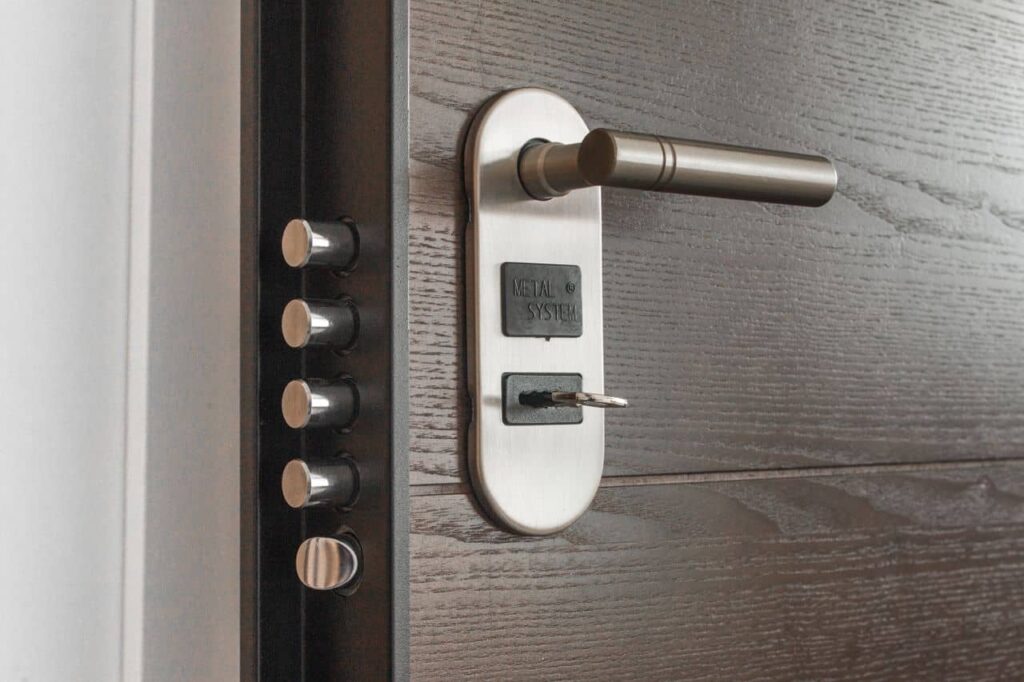
Commercial buildings across the United States rely on durable doors to protect people, equipment, and valuable assets while supporting daily operations. Offices, retail stores, warehouses, and industrial facilities all need suitable entry systems that can handle frequent use and maintain building security.
Metal doors, particularly steel and hollow metal doors, are a popular choice in commercial construction because of their strength, durability, and versatility. They can help prevent unauthorized access, withstand everyday wear, and meet different building safety requirements.
Understanding these benefits can help property owners, contractors, and facility managers make informed decisions when selecting doors for commercial projects.
Why Are Metal Doors Suitable for Commercial Buildings?
Commercial buildings experience frequent foot traffic, which puts pressure on doors, frames, hinges, and locking mechanisms. Materials that cannot withstand regular use may require frequent repairs or replacement.
Metal doors offer a practical option for demanding environments. They are commonly installed in:
- Office buildings and business complexes.
- Retail stores and shopping centers.
- Warehouses and manufacturing facilities.
- Schools and healthcare buildings.
- Storage rooms and restricted-access areas.
Their strength and adaptability make them suitable for both interior and exterior applications.
5 Ways Metal Doors Strengthen Security and Durability
Metal doors offer several advantages that make them valuable in commercial construction.
1. Provide Better Protection Against Forced Entry
Commercial properties often contain valuable equipment, inventory, and confidential information. Steel and hollow metal doors provide a sturdy physical barrier that can make forced entry more difficult.
When combined with reinforced frames, heavy-duty hinges, and suitable locking mechanisms, they can strengthen building entrances and help protect restricted areas.
2. Withstand Everyday Wear and Damage
Commercial doors are regularly exposed to impacts, repeated opening and closing, and heavy foot traffic. Metal doors are designed to handle these demanding conditions and generally offer good resistance to dents and physical damage.
This makes them particularly useful in warehouses, loading areas, and busy commercial entrances, where frequent use can quickly wear down less durable materials.
3. Support Modern Access Control Systems
Businesses often need to restrict access to certain areas, such as server rooms, storage facilities, and administrative offices.
Metal doors can accommodate different locking and access control options, including:
- Key-operated commercial locks
- Electronic locking systems
- Keypad entry systems
- Card and key fob access
These options help businesses manage entry permissions and improve security without compromising everyday convenience.
4. Contribute to Fire Safety
Certain commercial buildings require fire-rated doors to help slow the spread of fire and smoke. Metal doors are available in specially tested and certified fire-rated configurations.
However, not every metal door provides fire protection. The door, frame, seals, and compatible hardware must meet the required fire-rating specifications.
The Occupational Safety and Health Administration (OSHA) provides workplace requirements concerning exit routes and fire doors. Contractors should also check applicable local building and fire safety regulations before installation.
5. Offer Long-Term Durability
Properly manufactured and maintained metal doors can provide reliable service for many years. Their resistance to everyday damage can reduce the frequency of repairs and replacements.
However, regular maintenance remains important, particularly in areas exposed to moisture. Inspecting protective finishes, checking for corrosion, and keeping hinges and locks in working condition can help extend their service life.
Why Commercial Door Hardware Matters
A strong door needs suitable hardware to provide effective security. Locks, hinges, frames, closers, and exit devices all contribute to the performance of a commercial entrance.
The choice of hardware depends on how the space is used. Warehouses may require heavy-duty locks, while office buildings may benefit from electronic access systems. Choosing the right combination of doors and hardware helps businesses create secure and functional entry points. Exploring commercial locks and doors can provide further insight into the options available for different commercial settings.
What Should Contractors Consider Before Installing Metal Doors?
Before choosing metal doors, contractors should evaluate the building’s layout, security requirements, and intended use.
A few important considerations include:
- Purpose: Determine whether the door is needed for an exterior entrance, interior space, or restricted-access area.
- Security: Choose suitable locks, frames, and access control systems.
- Environment: Consider protective finishes for doors exposed to moisture and changing weather conditions.
- Fire safety: Check whether the location requires a certified fire-rated door assembly.
- Installation: Ensure proper alignment, secure fitting, and compatible hardware.
Considering these factors early can help prevent installation issues and improve long-term performance.
Final Thoughts
Metal doors are a practical choice for commercial properties because they combine strength, durability, and security. They can help protect against forced entry, withstand frequent use, support access control, and contribute to fire safety when appropriately specified.
However, their performance also depends on suitable hardware, professional installation, and regular maintenance. Choosing the right door system can help businesses maintain safer and more reliable commercial spaces.
Frequently Asked Questions
1. Are metal doors suitable for all commercial properties?
They are suitable for many environments, including offices, warehouses, retail stores, and industrial facilities.
2. Are metal doors more secure than wooden doors?
Steel and hollow metal doors generally offer greater resistance to impacts and forced entry than many standard wooden doors.
3. Are all metal doors fire-rated?
No. Only specially tested and certified fire-rated door assemblies provide a specified level of fire resistance.
4. How long do commercial metal doors last?
With proper installation and maintenance, commercial metal doors can last for several decades.
5. Do metal doors require regular maintenance?
Yes. Regular inspections help identify corrosion, damaged finishes, and hardware problems before they affect performance.