Watch the red carpet at any major awards show and count the seconds before a diamond appears. A tennis bracelet catching the light on a wrist, a pair of drop earrings framing a face, a collar of stones that becomes the whole look. The gowns change every season. The designers rotate in and out of favor. The diamonds stay, and they’ve been staying for a century, through every shift in what luxury is supposed to mean.
That staying power isn’t an accident of tradition. Diamonds keep shaping luxury fashion because they do things no other material does: they signal, they last, they adapt, and they anchor everything around them. Here’s how that influence works today, from the runway to the jewelry box.
Diamonds Still Lead Luxury Desire
In a market crowded with new definitions of luxury, diamonds remain the benchmark. According to De Beers’ 2026 U.S. consumer research, reported by GJEPC’s Solitaire, the average natural diamond jewelry purchase rose to $4,063 per piece in 2025, Gen Z now accounts for 23 percent of natural diamond demand value despite being 18 percent of the population, and natural diamonds ranked as women’s most desired luxury gift ahead of lab-grown stones, other gemstones, and plain gold.
A younger generation spending more per piece is the clearest sign that diamonds aren’t a legacy category. They’re a current one.
The Original Luxury Signal
Luxury fashion runs on signals: craftsmanship, rarity, and the sense that something was made with care for a few rather than for everyone. Diamonds carry all three at once. A well-cut stone is the product of geology, expertise, and time, and it reads as valuable from across a room without a logo.
That’s why fashion houses that sell handbags and gowns also design fine jewelry, and why a diamond piece so often finishes a couture look.
Setting the Tone on the Runway
Jewelry on the runway isn’t an afterthought; it’s part of the styling that tells the audience what a collection means. Diamonds set the register. Paired with a minimalist black dress, they say restraint and confidence. Layered over a maximalist print, they say abundance. Designers use them the way a chef uses salt, to bring out what’s already there.
Recent seasons have shown diamonds in ways that would have surprised earlier decades: mixed with denim, worn with sneakers, stacked in asymmetric ear climbers, and set in brushed or blackened metals rather than polished platinum. The stone stays constant; the context keeps changing.
From Bridal to Everyday
For most of the twentieth century, diamonds meant engagement rings. That’s still a major part of the market, but the center of gravity has shifted. Non-bridal occasions now account for the majority of demand, with birthdays, milestones, and self-purchase driving growth. Fashion has followed, treating diamond studs, thin pavé bands, and delicate pendants as wardrobe staples rather than once-in-a-lifetime purchases.
Shaping What Everyone Else Makes
Diamonds influence luxury far beyond jewelry:
- Watches use diamond bezels and dials to move a timepiece from tool to jewel
- Accessories borrow diamond settings for clasps, buckles, and hardware
- Eyewear and tech have experimented with diamond accents on frames and devices
- Color palettes in collections often take their cue from a stone’s sparkle, with silver, ice blue, and clear tones recurring
- Marketing and imagery across luxury rely on the diamond’s visual language of light and clarity
Even brands that never sell a stone borrow its vocabulary.
Craft, Cut, and the Modern Collector
Today’s buyer knows more than ever. Cut quality, color, clarity, and carat weight are discussed openly, and shoppers compare stones and settings online before stepping into a boutique. That transparency has raised standards across the industry and shifted attention toward well-cut stones and thoughtful design rather than size alone.
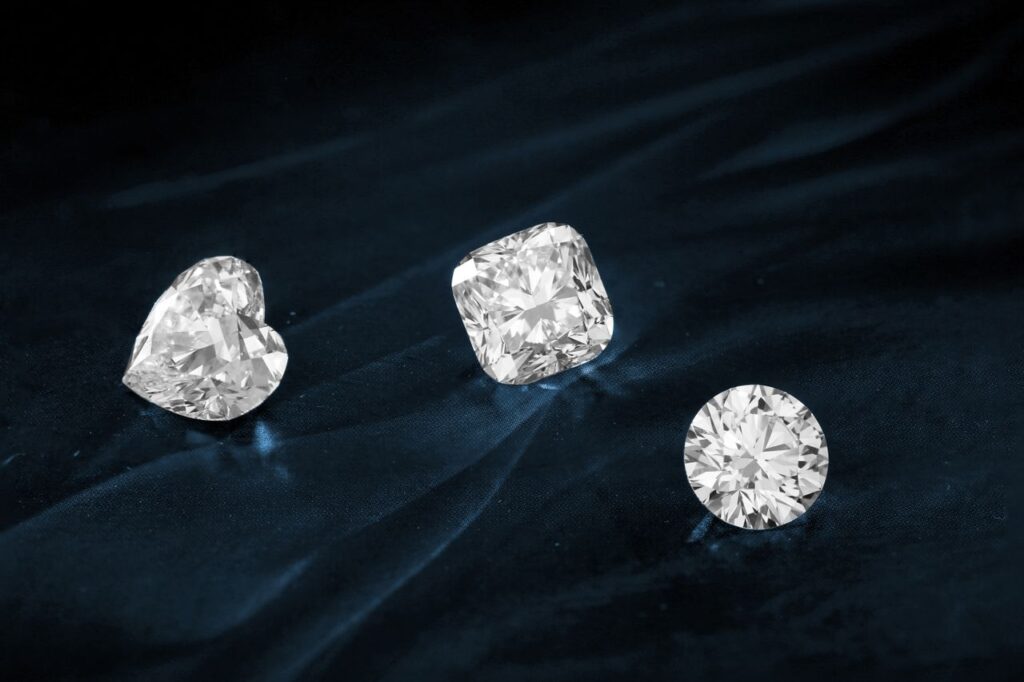
Browsing a curated selection of diamonds with detailed grading, imagery, and the ability to compare shapes side by side is now a normal first step for buyers who want to understand what they’re choosing. Ritani, for instance, offers both natural and lab-grown stones with high-resolution views and the option to preview a selection in a local jeweler’s showroom before purchasing. Whatever retailer you use, look for independent grading reports, clear return policies, and the chance to see a stone in person.
Natural and Lab-Grown, Side by Side
Lab-grown diamonds have changed the conversation, offering the same material at a lower price and expanding what’s possible in fashion jewelry. In luxury, the two now coexist: lab-grown stones appear in bolder, larger, trend-driven pieces, while natural diamonds continue to anchor heirloom and high-jewelry work and to command a premium for rarity. The choice has become part of a buyer’s personal statement, which only deepens the diamond’s role in fashion.
Sustainability and the New Luxury Values
Luxury consumers increasingly ask where things come from. The diamond industry has responded with traceability programs, recycled metals, and clearer sourcing, and fashion brands highlight those stories in their collections. For a generation that treats ethics as part of style, a diamond with a documented origin carries more meaning, not less.
Why They’ll Keep Shaping Fashion
Some fashion trends come and go, but a few timeless pieces continue to hold their place in the industry because of their enduring appeal, versatility, and emotional significance.
- They hold value and meaning across decades in a way few fashion purchases do
- They adapt to every aesthetic, from minimal to maximal
- They pass between generations, carrying stories with them
- They remain the shorthand for celebration, achievement, and love
- They reward craft, which is the foundation of luxury itself
Ultimately, their lasting influence lies in the perfect balance of craftsmanship, personal expression, and timeless elegance, ensuring they remain cherished across generations.
Conclusion
Diamonds continue to shape the luxury fashion industry because they do what luxury is built to do: signal craft and rarity without a word, set the tone of a look, move easily from bridal to everyday, and lend their visual language to watches, accessories, and whole collections.
With younger buyers spending more per piece than their parents and natural diamonds still topping the list of desired luxury gifts, the stone that defined glamour a century ago is defining it again on new terms, from runway to feed to the jeweler’s tray. The gowns will keep changing. The diamonds will keep catching the light.