
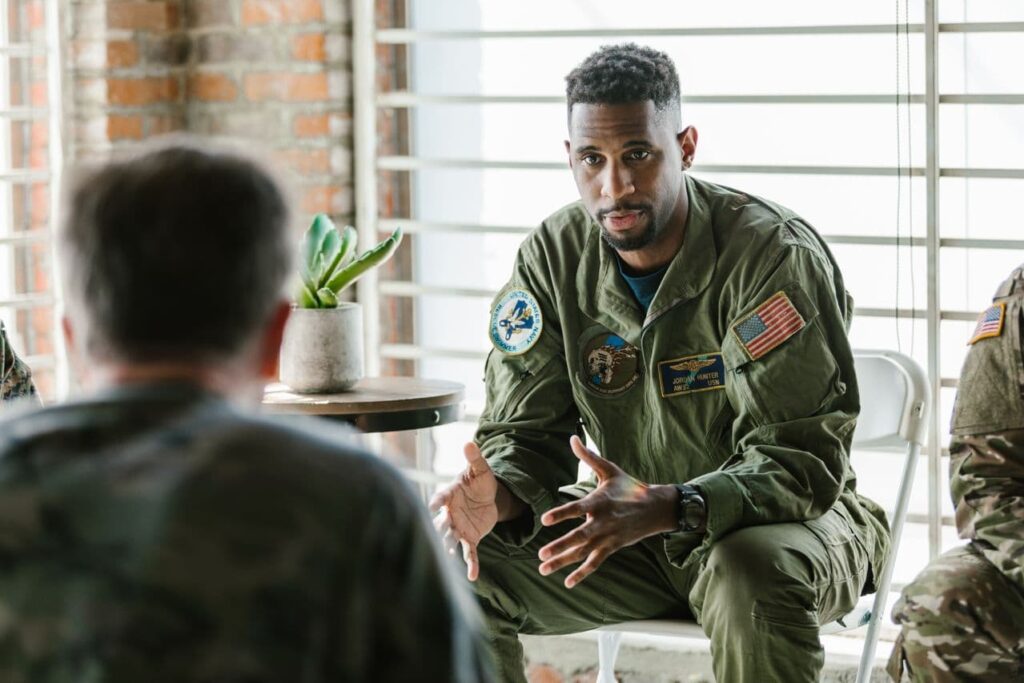
The journey from military service to business leadership is one built on discipline, resilience, and purpose. While the environments may seem very different, the skills developed in the military often become the foundation for success in the business world. Veterans bring unique qualities that help organizations grow, adapt, and overcome challenges. Their ability to lead under pressure, make difficult decisions, and inspire teams has made them valuable leaders across industries.
Military service is about much more than following orders. It is about learning responsibility, developing trust, solving problems, and putting the mission ahead of personal interests. Every day, service members face situations that demand focus, teamwork, and quick thinking. These experiences shape leaders who understand the importance of preparation, accountability, and continuous improvement.
When veterans transition into business, they often discover that many of the leadership principles they practiced in the military apply directly to the corporate world. Although the missions may be different, the need for strong leadership remains the same. Businesses need leaders who can guide teams through uncertainty, build confidence, and deliver results. Veterans are well prepared to meet these expectations.
One of the greatest strengths veterans bring to business is discipline. In the military, discipline is not simply about following rules. It is about maintaining high standards, staying committed to goals, and performing consistently even during difficult times. In business, this translates into strong work ethics, reliable performance, and the ability to stay focused on long-term objectives.
Discipline also helps leaders create a culture of accountability. Successful organizations depend on people who understand their responsibilities and take ownership of their work. Veteran leaders often encourage this mindset by setting clear expectations, leading by example, and creating environments where every team member understands their role in achieving shared goals.
Another valuable quality veterans bring is resilience. Military life often involves operating in uncertain and demanding conditions where plans can change quickly. Service members learn to adapt, recover from setbacks, and continue moving forward despite challenges. This resilience becomes especially valuable in today’s business landscape, where rapid technological changes, economic uncertainty, and global competition require organizations to remain flexible.
Business leaders regularly face unexpected obstacles, whether they involve market shifts, operational challenges, or economic disruptions. Veterans understand that setbacks are not failures but opportunities to learn and improve. Their experience helps them remain calm under pressure while making thoughtful decisions that benefit both employees and customers.
Leadership in the military is built on trust. Leaders are responsible not only for accomplishing missions but also for taking care of the people they lead. This people-first approach creates strong teams where individuals support one another and work toward common objectives. The same principle is essential in business.
Employees perform at their best when they trust their leaders. Veteran business leaders often focus on open communication, integrity, and respect. They understand that leadership is not about authority alone but about earning confidence through consistent actions. When employees believe their leaders genuinely care about their growth and well-being, engagement and productivity naturally increase.
Decision-making is another area where military experience provides a significant advantage. Service members are trained to assess situations, gather available information, evaluate risks, and make timely decisions. Waiting for perfect information is often not an option. Instead, leaders must make the best possible decision with the information available.
In business, leaders face similar situations. Market conditions change rapidly, customer expectations evolve, and competitors introduce new innovations. Veteran leaders are comfortable making informed decisions while remaining flexible enough to adjust when new information becomes available. This balance between confidence and adaptability is a valuable leadership quality.
Teamwork is central to military success, and it remains equally important in business. No mission is accomplished by one individual alone. Every achievement depends on collaboration, mutual trust, and clear communication. Veterans carry this collaborative mindset into the workplace, where they encourage departments to work together rather than operate in isolation.
Effective teamwork also involves recognizing the strengths of each individual. Military leaders learn how to build diverse teams where every member contributes unique skills and perspectives. In business, this ability helps create inclusive workplaces where employees feel valued and empowered to contribute their best ideas.
Veterans also understand the importance of planning while remaining adaptable. Military operations require careful preparation, but leaders also know that conditions can change unexpectedly. They develop contingency plans and prepare teams to respond effectively to changing circumstances.
This mindset has become increasingly important in modern business. Organizations must embrace innovation while remaining prepared for disruption. Veteran leaders often balance strategic planning with operational flexibility, helping businesses navigate uncertainty without losing sight of long-term goals.
Ethics and integrity are deeply rooted in military leadership. Service members are expected to uphold high standards of honesty, accountability, and professionalism. These values continue to shape their leadership style long after leaving the military.
In today’s business environment, ethical leadership is more important than ever. Customers, employees, investors, and partners expect organizations to operate with transparency and responsibility. Veteran leaders often build trust by making decisions based on principles rather than short-term gains. This approach strengthens organizational reputation and creates sustainable success.
Continuous learning is another characteristic shared by successful veterans. Military careers involve constant training, skill development, and adapting to new technologies. This commitment to learning continues throughout their professional careers.
The business world is changing rapidly due to artificial intelligence, automation, digital transformation, and evolving customer expectations. Leaders who embrace lifelong learning are better positioned to guide their organizations through these changes. Veterans often demonstrate curiosity, adaptability, and a willingness to develop new skills that keep their businesses competitive.
Many veteran entrepreneurs also choose to start their own businesses. Their experience managing resources, leading teams, and solving complex problems provides a strong foundation for entrepreneurship. They understand how to establish clear objectives, manage risk, and remain committed even when facing uncertainty. These qualities help many veteran-owned businesses grow successfully across industries ranging from technology and healthcare to manufacturing, consulting, logistics, and professional services.
The transition from military life to business is not always without challenges. Veterans may need to adjust to different organizational cultures, communication styles, or corporate structures. However, organizations that recognize and support veteran talent often discover that these professionals quickly become trusted leaders who strengthen workplace culture and improve organizational performance.
Companies can further benefit by creating mentorship programs, leadership development opportunities, and hiring initiatives that help veterans successfully transition into civilian careers. These investments not only support veterans but also strengthen organizations by bringing in experienced leaders with proven problem-solving abilities and a commitment to excellence.
The connection between military service and business leadership is stronger than many people realize. Both require vision, accountability, teamwork, resilience, and the ability to inspire others toward a common goal. Veterans bring these qualities with them throughout their careers, helping businesses navigate challenges while building cultures based on trust, integrity, and purpose.
As industries continue to evolve, organizations will increasingly value leaders who can remain steady during uncertainty while motivating others to achieve ambitious goals. Veterans have already demonstrated these capabilities through years of service. Their transition into business leadership represents not only a career change but also the continuation of a lifelong commitment to serving others, solving meaningful challenges, and leading with courage, character, and purpose.