
Education has long been associated with academic achievement, examinations, and classroom learning. While these elements remain important, modern education is gradually shifting toward a broader and more meaningful purpose. Today, educators and institutions are increasingly recognizing that true learning goes beyond textbooks and grades. It also includes developing dignity, life skills, and strong communication abilities that prepare individuals for real-world challenges.
Academic knowledge provides the foundation for intellectual development, but it is only one part of a well-rounded education. Students also need practical skills that help them navigate everyday life. These skills include problem-solving, emotional awareness, decision-making, teamwork, and adaptability. When students learn how to apply knowledge in real-life situations, education becomes more meaningful and impactful.
One of the most important aspects of education beyond academics is the development of dignity and self-respect. Every student deserves to feel valued, respected, and capable of contributing to society. Educational environments that encourage dignity help students build confidence and develop a positive sense of identity. When learners feel supported and understood, they are more likely to engage actively in their studies and pursue their goals with determination.
Teaching dignity in education also promotes empathy and respect for others. Students learn to appreciate differences in culture, abilities, and perspectives. These values are essential in a diverse and interconnected world where collaboration and mutual understanding are increasingly important. Schools that promote respect and inclusion help nurture responsible and compassionate citizens.
Life skills form another essential component of education beyond academics. These skills help individuals manage daily responsibilities, make thoughtful decisions, and respond effectively to challenges. For example, financial awareness, time management, personal responsibility, and critical thinking are all important abilities that influence a person’s success and well-being.
Students who develop strong life skills are better prepared to handle transitions such as higher education, employment, and independent living. They learn how to organize their priorities, manage stress, and approach problems with practical solutions. These abilities not only support professional success but also contribute to personal growth and stability.
Communication skills also play a central role in modern education. The ability to express ideas clearly, listen actively, and engage in meaningful dialogue is essential in both personal and professional environments. Communication helps individuals build relationships, share knowledge, and collaborate effectively with others.
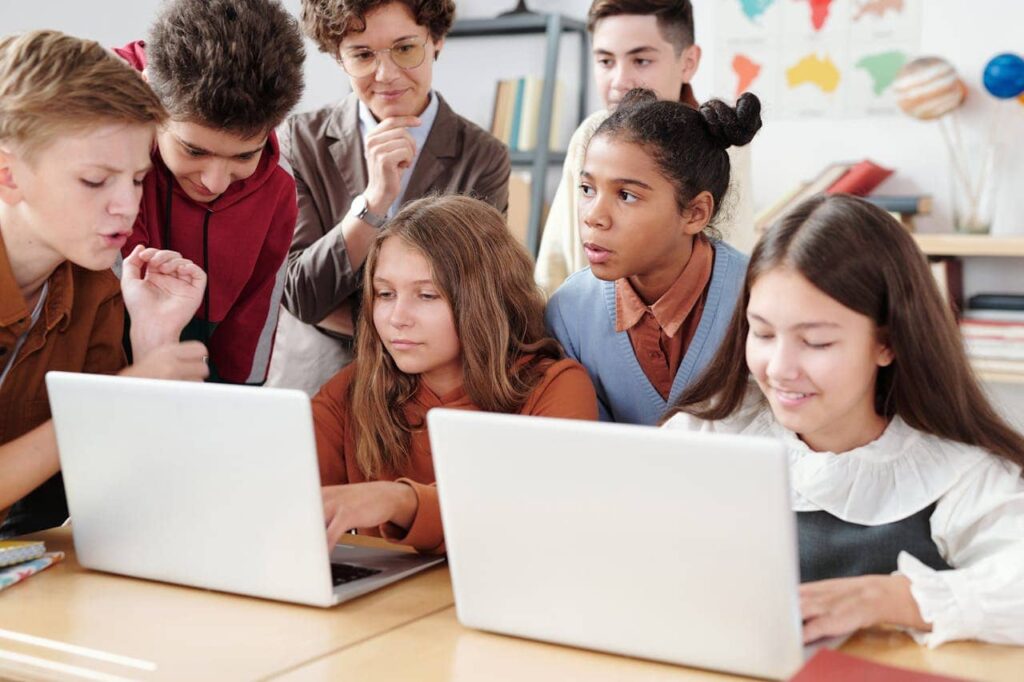
In classrooms where communication is encouraged, students feel more confident participating in discussions and expressing their perspectives. Activities such as presentations, group projects, storytelling, and debates allow students to practice speaking and listening skills. Over time, these experiences help them develop clarity in their thoughts and confidence in their voices.
Digital communication has also become an important part of modern learning. As technology continues to shape education and workplaces, students must learn how to communicate effectively through digital platforms. Email etiquette, online collaboration, and responsible social media use are now considered essential skills in today’s connected world.
Educators play a critical role in guiding students toward this broader understanding of education. By incorporating life skills training, communication exercises, and values-based learning into their teaching methods, they help students grow not only academically but also personally. This balanced approach ensures that learners are prepared for both professional responsibilities and meaningful participation in society.
Parents and communities also contribute to this process. When schools collaborate with families and local organizations, students receive consistent guidance and encouragement in developing these important skills. Community programs, mentorship opportunities, and extracurricular activities further strengthen the learning experience by providing practical exposure to real-world situations.
Education that focuses on dignity, life skills, and communication ultimately prepares students for a lifetime of growth and contribution. It empowers individuals to face challenges with confidence, interact respectfully with others, and pursue their aspirations with purpose.
In today’s rapidly changing world, academic excellence alone is no longer enough. A truly effective education nurtures the whole individual – intellectually, socially, and emotionally. By expanding the focus of education beyond academics, institutions can create learning environments that equip students with the values and abilities needed to thrive in both their personal and professional lives.