
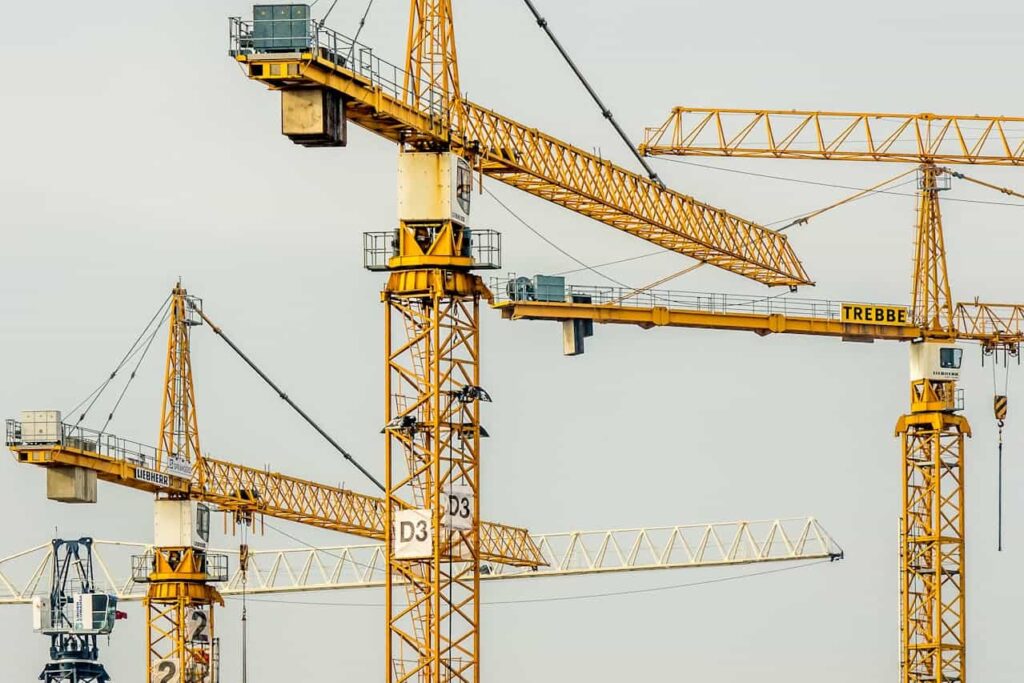
The philosophy of construction is evolving. For decades, the industry has often been driven by speed, scale, and cost efficiency. While these factors remain important, there is a growing recognition that true value lies in quality. The idea is simple but powerful – build once, build well, and let quality speak for itself. This approach shifts the focus from short-term completion to long-term performance and impact.
Building well begins with intention. Every project starts with a vision, and the decisions made in the early stages determine the outcome. Thoughtful planning, careful design, and the selection of the right materials all play a critical role. When quality is prioritized from the beginning, it reduces the need for corrections, delays, and compromises later. A well-planned project sets a strong foundation for everything that follows.
Material selection is one of the most important aspects of quality construction. Choosing durable, reliable, and sustainable materials ensures that structures can withstand time and environmental stress. While lower-cost materials may seem attractive in the short term, they often lead to higher maintenance and replacement costs in the future. Investing in quality materials is not an expense, but a long-term strategy that delivers lasting value.
Craftsmanship is equally important. Skilled professionals bring precision, expertise, and attention to detail to every stage of construction. Quality workmanship ensures that designs are executed correctly and that structures perform as intended. This level of excellence cannot be rushed. It requires time, training, and a commitment to high standards. When teams take pride in their work, the results are evident in the finished product.
Technology is supporting this shift toward better building practices. Advanced tools allow for greater accuracy and consistency. Digital modeling helps identify potential issues before construction begins, reducing errors and rework. Automation and prefabrication improve quality control by standardizing processes. However, technology must complement human expertise, not replace it. The best outcomes are achieved when innovation and craftsmanship work together.
Another key element of building well is durability. Structures should be designed to last, not just to meet immediate needs. This includes considering factors such as climate, usage patterns, and future demands. Durable buildings require fewer repairs, consume fewer resources, and provide greater reliability over time. This approach benefits not only the owners but also the wider community.
Sustainability is closely linked to quality. A well-built structure is one that minimizes its environmental impact while maximizing efficiency. Energy-efficient systems, responsible sourcing of materials, and waste reduction are all part of this equation. Building well means creating spaces that are not only strong and functional but also environmentally responsible. This aligns with the growing global focus on sustainable development.
Cost is often seen as a barrier to quality, but this perspective is changing. While high-quality construction may require a higher initial investment, it reduces long-term expenses. Maintenance costs are lower, operational efficiency is higher, and the lifespan of the building is extended. When viewed over time, quality construction proves to be more economical and more reliable.
Reputation is another outcome of building well. In an industry where trust is essential, delivering consistent quality builds credibility. Clients, partners, and stakeholders value reliability. When a company is known for high standards, it creates opportunities for growth and long-term relationships. Quality becomes a defining characteristic that sets organizations apart.
The mindset of building once and building well also reduces waste. Rework, repairs, and frequent renovations consume time, money, and resources. By getting it right the first time, the industry can improve efficiency and reduce its environmental footprint. This approach aligns with broader goals of sustainability and responsible development.
Leadership plays a crucial role in maintaining a focus on quality. Leaders must set clear expectations, invest in skilled teams, and prioritize long-term outcomes over short-term gains. A culture of quality must be embedded at every level of the organization. When everyone is aligned with this vision, it becomes a shared commitment rather than an isolated effort.
In conclusion, building once and building well is not just a principle – it is a strategy for the future. It reflects a deeper understanding of value, responsibility, and impact. Quality is not something that can be added at the end of a project. It must be built into every decision, every process, and every detail. When this approach is followed, the results speak for themselves. Structures stand stronger, last longer, and deliver greater value. In a rapidly changing world, quality remains a constant, and it is this commitment that will define the future of construction.