
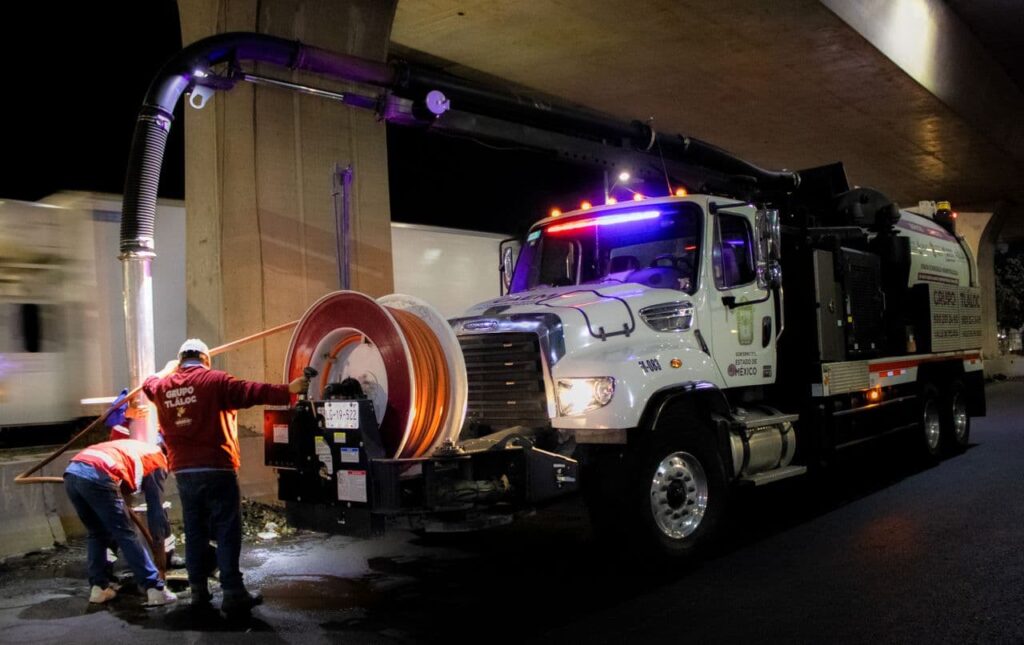
Large construction projects involve more than moving earth and putting materials in place. Crews also need to deal with standing water, wet soil, drilling waste, sludge, and other materials that build up as work moves forward. If these materials are left around the site, they can slow down work and create safety problems.
This is where vacuum truck services come in. These trucks use strong suction to remove unwanted liquids and waste from hard-to-reach areas. They help construction teams keep work zones clear, manage waste, and stay on schedule. From road work to major utility projects, they play a useful role at many stages of construction. Below, we look at the key roles they play.
Keeping Construction Sites Clear and Ready for Work
A large job site can collect water, mud, and loose waste very quickly. Heavy rain may leave water in low areas, while drilling and excavation can create thick slurry that needs to be removed. Leaving these materials in place can make it harder for workers and machines to move around safely.
Vacuum trucks help by removing waste like liquids, sludge, and other materials from areas where regular equipment may not be suitable. This can include pits, tanks, sumps, drainage areas, and construction trenches.
Keeping these spaces clear helps crews continue their work without having to stop and deal with a growing mess. It can also make it easier to inspect work areas before the next stage begins.
Helping With Water Removal and Site Dewatering
Water is a common challenge on construction sites, especially when work takes place below ground. Rain, groundwater, and damaged pipes can cause water to collect in trenches, basements, parking areas, and other low spots.
Vacuum trucks can remove this water and carry it away for proper handling. They can also help with sludge removal when the collected material is too thick for basic pumps to handle well.
This support is useful during projects such as:
- Road and bridge construction where water collects around work areas.
- Building projects that involve deep foundations or underground spaces.
- Pipeline work where crews need to clear water and wet material.
- Industrial projects that produce liquid waste during repairs or upgrades.
Removing water helps crews see the work area more clearly and gives them better access to the parts of the site that need attention.
Supporting Safer Work Around Underground Utilities
Construction crews often work near buried gas lines, water pipes, power cables, and communication lines. Hitting one of these services can cause serious damage, stop work, and put people at risk.
Hydrovac trucks can help reduce the risk when crews need to expose buried services. They use pressurized water to loosen soil, while a vacuum system removes the wet material. This allows workers to uncover underground lines in a more controlled way than using large digging tools in tight spaces.
The process is often used for daylighting, also called potholing. It lets crews confirm where a buried line sits before they begin deeper digging or repairs. Proper utility locates are still needed before excavation begins.
Removing Drilling Slurry and Other Waste
Some construction methods create large amounts of wet waste. Horizontal directional drilling, for example, uses drilling fluid to help the drill move through the ground. This fluid mixes with soil and forms slurry that must be collected and handled.
Vacuum trucks can remove this material from drilling areas and transport it for proper disposal. This helps keep the work zone clear and prevents waste from spreading into nearby areas.
The same support can be useful during pipeline repairs, tank cleaning, and other industrial work. Instead of leaving crews to handle heavy wet material by hand, the right equipment can remove it more quickly and with less mess.
Improving Site Safety and Waste Handling
Construction waste needs to be handled with care, especially when it may contain oil, chemicals, or other harmful materials. Moving waste without proper containment can affect workers, nearby soil, and water sources.
A vacuum truck helps keep collected material inside a sealed tank during removal and transport. The waste must still be identified and sent to a suitable disposal or treatment facility, based on its type and local rules.
Planning also matters before a truck arrives. The crew should know what material needs to be removed, where the truck can park, and how workers will stay clear of the equipment during the job.
For example, D & L Environmental Ltd notes that it completes safety inspections at job sites before work begins. This is a useful part of the planning process, since site conditions, access points, and possible hazards can change from one project to another.
Helping Large Projects Stay on Schedule
Delays on large construction sites can affect many teams at once. If one crew cannot finish its work because a trench is full of water or a drilling area is covered in slurry, the next stage may have to wait.
Vacuum truck support can help reduce these delays by removing waste when and where it is needed. Scheduled visits may work well for planned maintenance, while urgent service can help when unexpected spills or water buildup occur.
Good planning makes a difference here. Project managers should consider the amount of waste, the size of the work area, truck access, and how often removal may be needed. This helps them choose suitable equipment and avoid last-minute problems.
Bringing It All Together
Large construction and infrastructure projects depend on many types of equipment working together. Vacuum trucks help manage the waste and water that come with excavation, drilling, repairs, and site maintenance. They also support safer access to work areas and help crews keep projects moving.
When planned as part of the wider job, these services can make difficult site tasks easier to manage. They give construction teams another way to deal with challenging materials while keeping safety and proper waste handling in view.