
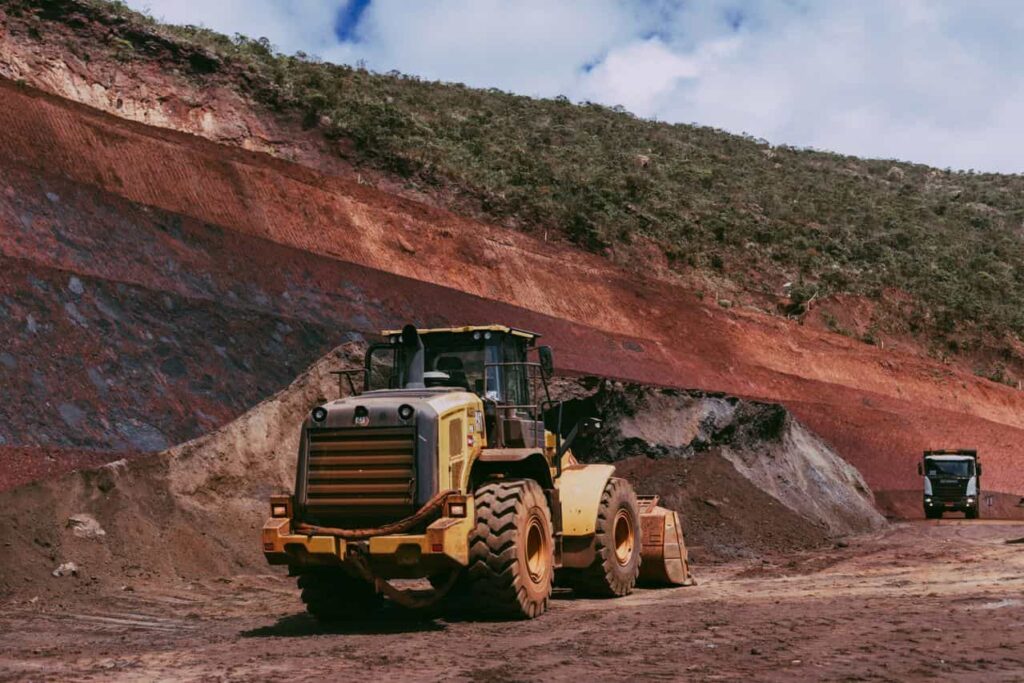
Imagine a replacement part for a loader sitting on a pallet in a Perth depot, while the crew that needs it waits hundreds of kilometres north. Every hour that part is on the road, a machine is idle and a roster is running around the problem. Nobody on site is thinking about freight at that moment, yet freight is the thing standing between them and a normal shift.
That is the quiet pressure of remote mining logistics. In Western Australia, where freight operators based in Perth, Kenwick and the Pilbara regularly run long routes to mine sites and stations, the trip itself is only one part of the job. What decides whether a delivery goes smoothly is usually the preparation that happens before the truck is loaded. Here are practical ways mining teams can get ready, without turning it into a complicated project.
Why Remote Freight Needs a Little Extra Planning
City freight can often be rearranged on the day. Remote freight is less forgiving. Distances are long, roads change with the weather, communication can be patchy, and the nearest alternative option may be a day or more away. A small gap in the plan, such as a missing permit or an unconfirmed gate time, can turn into a much bigger delay by the time it is discovered.
It also helps to remember how many people share the same roads. The National Heavy Vehicle Regulator notes that more than 556,000 workers are employed in Australia’s road transport industry, around 5.3 per cent of the nation’s total employment. Freight on regional roads is a big, busy system, and safe delivery depends on everyone in the chain doing their part, including the people sending the load.
Start With a Clear Picture of the Load
Most good deliveries begin with a simple conversation about what is actually being moved. The more accurate the details, the easier it is to choose suitable equipment and avoid surprises at the gate. Mining freight covers a wide range, from heavy plant to small but urgent components, so it is worth being specific about what you have.
• Dimensions and mass: Length, width, height and weight, including any attachments, since small differences can change the vehicle and permit requirements.
• Type of freight: Excavators, loaders and graders, transportable buildings, project components, packaged freight or operational supplies.
• Special handling: Anything that is dangerous goods, needs craneage or lifting, or requires staging at either end should be stated up front rather than assumed.
• Timing: Whether it is a planned project movement or a replacement part that is holding up production.
Being open about these details is not about creating paperwork. It simply gives everyone the same picture early, when changes are still easy to make.
Plan the Route and Check Permits Early
Oversize and over-mass loads travel under road access rules, and in Western Australia that usually means checking Restricted Access Vehicle permits or orders through Main Roads WA. These can take time, and they depend on the exact route and load. Leaving them to the last minute is one of the most common reasons a movement slips.
Route planning goes beyond permits. Clearances, road conditions, seasonal closures and driver work-time obligations all affect the schedule. Fatigue rules, for example, shape how far a driver can safely travel in a day, so a realistic timeline allows for rest breaks and handovers rather than assuming a straight run. A plan that respects these limits tends to be safer and, in practice, more reliable too.
Sort Out Site Access Before the Truck Leaves
A truck that arrives on time but cannot get onto the site has not really arrived. Many mine sites have their own entry requirements, and these are easy to overlook when the focus is on the journey.
• Gate and delivery windows: Confirm the hours the site can receive freight, and who will be there to meet it.
• Inductions and PPE: Drivers typically need site inductions and the right protective equipment before entering.
• Unloading arrangements: Decide who is unloading, with what equipment, and where the load is going.
• Paperwork: Delivery documents and contact details should be ready so handover is quick.
A short call between the site, the freight team and the driver a day or two before departure can save hours on the day.
Match the Equipment and the Partner to the Job
Different loads need different setups. A low-loader suits a mobile plant, an extendable deck suits long indivisible items, and a road train or B-double may suit certain bulk or packaged freight. A fixed, one-size-fits-all fleet setup rarely fits every mining job, so it helps to work with a team that chooses equipment per load.
Many operations find it easier to look at mine-site transport with Australia Wide Haulage when they want load assessment, equipment choice, route planning and site coordination handled as one connected process. The value of that approach is that questions about permits, access and handover are raised together rather than one at a time as problems appear.
How a Western Australian Freight Team Supports Remote Deliveries
Australia Wide Haulage is a family-owned freight business with roots going back to 1985, when it started with three prime movers and seven trailers. It became Australia Wide Haulage in 2010 and now operates from eight depots across Perth, the Pilbara and the Kimberley, with routes through the Goldfields, the north-west and on to Darwin. Each movement is planned around the specific load, and a job is confirmed after its details have been assessed.
Services Mining Teams May Come Across
• Mine and remote transport: including remote delivery, station supplies and heavy machinery transport.
• Over-dimensional transport: for over-length and over-width indivisible equipment.
• Full truck load freight: for larger consignments moving site to site or from Perth.
• Parcel freight: for smaller supplies and replacement components.
• Container unpacking services: for freight arriving in shipping containers.
• Car and boat transport in Perth: for vehicles and vessels moving in and out of the metro area.
The heavy-haulage fleet uses satellite communication for location visibility and driver contact, so progress updates can cover collection, departure, site arrival and delivery. It is also useful to know the limits of any service. Worker transport, underground haul trucks, conveyors, slurry pipelines and on-site bulk ore haulage sit outside the scope, and quotes depend on dimensions, mass, distance, equipment, permits and site access rather than a flat rate.
A Simple Preparation Checklist
If you only have a few minutes before booking a remote delivery, these are the steps that tend to prevent most delays.
• Gather accurate dimensions, weights and descriptions of the freight.
• Flag any dangerous goods, lifting or staging needs early.
• Confirm the site address, gate hours, induction rules and a named contact.
• Allow time for permits and realistic driver work-time limits.
• Agree on how and when progress updates will be shared.
• Keep delivery documents together so handover is straightforward.
Conclusion
Remote freight will always involve long distances and a few unknowns, but most of the stress comes from details that could have been settled earlier. When mining teams share clear load information, check permits and routes in good time, and confirm site access before departure, deliveries tend to run more smoothly for everyone involved.
Choosing a freight partner that plans each movement around the load, and is upfront about what it does and does not cover, adds another layer of clarity. The result is not a flawless run every time, but fewer surprises, steadier schedules and more attention left for the work that actually happens on site.