
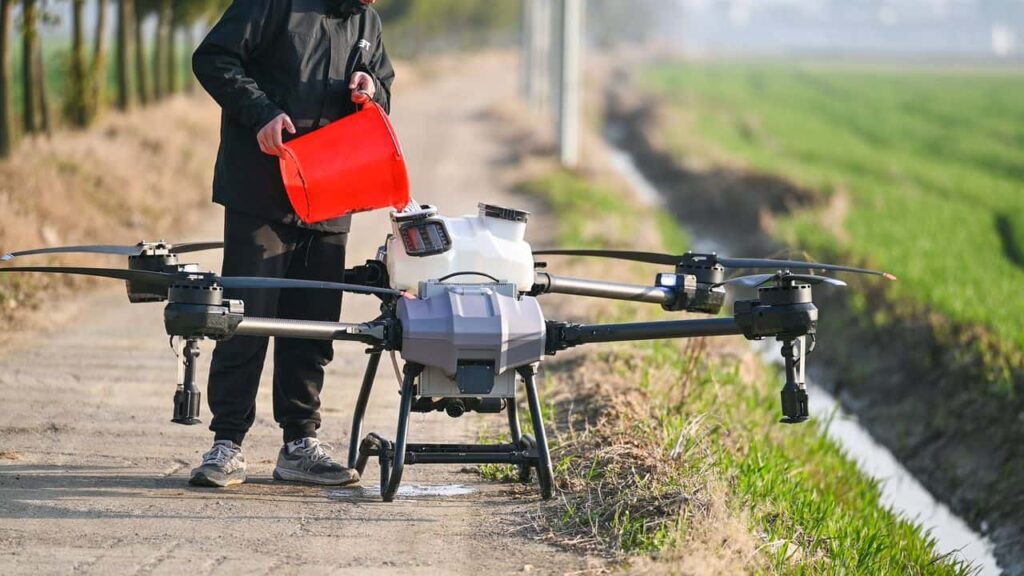
Africa’s agricultural sector plays a vital role in supporting livelihoods, creating employment, and supplying food to millions of people. However, the continent continues to face challenges that affect food production and distribution, including climate change, limited access to modern farming equipment, soil degradation, water scarcity, and supply chain inefficiencies. As populations grow and food demand increases, traditional farming methods alone may not be sufficient to meet future needs. Agricultural technology, commonly known as AgriTech, is emerging as an important solution to these challenges by helping farmers improve productivity, manage resources efficiently, and build more resilient food systems.
AgriTech refers to the use of digital tools, modern equipment, scientific methods, and innovative business models to improve agricultural activities. From artificial intelligence and satellite monitoring to mobile applications and digital marketplaces, these technologies are changing how farmers grow, manage, store, and sell their produce. When adapted to local conditions, AgriTech can help African countries strengthen food security and create new opportunities for rural communities.
Improving Agricultural Productivity Through Technology
One of the major challenges facing African agriculture is the need to increase food production while using available land and resources efficiently. Many smallholder farmers depend on rainfall, manual labour, and traditional farming practices. Limited access to improved seeds, fertilisers, irrigation systems, and agricultural advice can reduce crop yields.
AgriTech can help address these challenges by providing farmers with tools that support better decisions. Precision farming technologies, for example, allow farmers to monitor soil conditions, assess crop health, and apply water and fertilisers according to specific needs. Soil sensors, satellite images, and digital mapping can help identify areas that require attention, reducing unnecessary resource use.
Improved agricultural equipment can also make farming more efficient. Mechanised planting, harvesting, and processing can reduce labour requirements, minimise losses, and help farmers manage larger areas of land. Shared equipment services and affordable machinery rental models are particularly valuable for smallholder farmers who cannot afford to purchase expensive equipment independently.
By combining technology with agricultural knowledge, farmers can improve productivity, reduce operating costs, and produce more food from available resources.
Using Artificial Intelligence and Data to Support Farmers
Access to reliable agricultural information is essential for making informed decisions. Farmers need to understand when to plant, which crops are suitable for their land, how to manage pests, and when to harvest. However, access to agricultural experts and timely information remains limited in many rural communities.
Artificial intelligence and data-driven platforms are creating new ways to deliver practical farming advice. Digital applications can analyse weather patterns, soil conditions, crop information, and historical data to provide recommendations suited to local farming conditions. Image-based tools can also help identify certain crop diseases and pest problems, allowing farmers to take action before damage spreads.
Weather forecasting platforms can help farmers plan planting schedules and prepare for changing rainfall patterns. Early warnings about droughts, floods, and extreme temperatures can reduce risks and support better resource management.
However, these solutions must be accessible to farmers who may have limited internet connectivity, digital skills, or access to smartphones. Local languages, simple interfaces, offline capabilities, and affordable services are essential to ensure that technological progress reaches rural communities.
Building Climate-Resilient Food Systems
Climate change presents a significant challenge to food security across Africa. Droughts, floods, unpredictable rainfall, and rising temperatures can damage crops, reduce livestock productivity, and threaten farmers’ incomes. These challenges make it increasingly important to develop agricultural systems that can withstand environmental changes.
AgriTech can support climate resilience through improved weather monitoring, efficient irrigation, and climate-smart farming practices. Digital irrigation systems can help farmers manage water use more effectively, while satellite monitoring can identify changes in vegetation and soil moisture.
Technology can also support the adoption of drought-tolerant seeds and climate-resilient crops. Crops such as sorghum and millet are valuable in many dryland farming systems because of their ability to perform under challenging conditions. Digital platforms can help farmers access information about suitable crop varieties, planting practices, and local markets.
Furthermore, agricultural insurance supported by satellite data and weather information can help protect farmers against certain climate-related losses. Climate-parametric insurance can provide payouts when predefined conditions, such as rainfall levels, meet specified thresholds. Such financial protection can help farmers recover from adverse weather events and continue investing in future production.
Reducing Food Losses Through Better Storage and Distribution
Food security depends not only on how much food farmers produce but also on how much reaches consumers. Significant losses can occur after harvesting because of inadequate storage, poor transportation, limited cold-chain infrastructure, and delays in reaching markets. These problems affect farmers’ incomes and reduce the amount of food available for consumption.
AgriTech offers solutions throughout the post-harvest value chain. Modern storage facilities, moisture-monitoring systems, temperature sensors, and improved packaging can help preserve the quality of agricultural produce. Cold-storage technologies are particularly important for perishable products such as fruits, vegetables, dairy products, and fish.
Digital marketplaces can connect farmers directly with buyers, processors, retailers, and institutional customers. Better access to market information allows farmers to compare prices, identify demand, and plan production more effectively. Digital logistics platforms can also improve transportation planning and help reduce delays.
Investments in local processing are equally important. Processing crops into flour, oils, packaged foods, and other products can extend shelf life, reduce waste, and increase the value of agricultural output. Stronger connections between farmers, processors, and retailers can create more reliable supply chains and improve access to food.
Expanding Access to Finance and Agricultural Markets
Many smallholder farmers struggle to obtain the finance required to purchase quality seeds, fertilisers, machinery, and other essential inputs. Traditional lending systems may require collateral or financial records that farmers cannot easily provide.
Digital financial services are creating alternative ways to improve access to agricultural finance. Mobile payments, digital transaction histories, and technology-supported credit assessments can help financial institutions understand farmers’ needs and evaluate lending opportunities. Digital platforms can also connect farmers with input suppliers, cooperatives, buyers, and agricultural service providers.
Access to finance becomes more effective when combined with reliable markets and agricultural guidance. Farmers need confidence that increased production will lead to sales at reasonable prices. Contract farming, cooperative models, digital marketplaces, and partnerships with food processors can help create stronger commercial relationships.
For AgriTech to contribute meaningfully to food security, financial products must remain affordable, transparent, and suitable for seasonal agricultural incomes.
Overcoming the Barriers to AgriTech Adoption
Despite its potential, AgriTech adoption across Africa faces several barriers. Limited rural connectivity, unreliable electricity, high equipment costs, inadequate infrastructure, and gaps in digital literacy can prevent farmers from benefiting from new solutions. In addition, technologies developed for other regions may not always suit local climates, crops, languages, and farming practices.
Addressing these barriers requires collaboration among governments, technology companies, agricultural researchers, financial institutions, development organisations, and farming communities. Investment in rural infrastructure, agricultural research, farmer training, and affordable digital services can create an environment in which innovation becomes more accessible.
Local entrepreneurs and AgriTech startups also have an important role to play. By developing solutions based on the practical needs of African farmers, they can create technologies that are relevant, affordable, and easier to adopt. Women farmers and young people must also have equal opportunities to access training, finance, land, and digital tools.
Measuring results is equally important. AgriTech initiatives should be evaluated according to their impact on crop yields, farmer incomes, food losses, resource efficiency, and access to nutritious food rather than technology adoption alone.
The Future of AgriTech and Food Security in Africa
AgriTech offers Africa an opportunity to strengthen its agricultural sector and build more reliable food systems. By combining digital innovation with agricultural science, improved infrastructure, sustainable practices, and accessible finance, the continent can help farmers respond to changing conditions and meet growing food demand.
Technology alone cannot solve every food security challenge. Effective policies, investment, functioning markets, and support for farming communities remain essential. However, when these elements work together, AgriTech can help transform agricultural production from a system vulnerable to repeated disruptions into one that is more productive, inclusive, and resilient.
The future of Africa’s food security will depend on how effectively the continent connects innovation with the needs of its farmers. By making technology accessible and ensuring that its benefits reach rural communities, African countries can strengthen local food production, reduce losses, create economic opportunities, and move towards a more secure and sustainable agricultural future.