Supply chains are the backbone of modern business. They connect suppliers, manufacturers, warehouses, logistics providers, retailers, and customers across countries and continents. When these networks work smoothly, businesses can control costs, maintain production, deliver products on time, and meet customer expectations. However, when disruption occurs, even a well-established supply chain can face serious challenges.
Global markets are changing rapidly. Geopolitical tensions, extreme weather events, transportation disruptions, labor shortages, economic uncertainty, changing regulations, and technology-driven market shifts are forcing organizations to rethink how their supply chains operate. Businesses can no longer focus only on efficiency. They also need resilience, flexibility, visibility, and the ability to respond quickly when conditions change.
Building a resilient supply chain means creating a system that can absorb disruption, adapt to changing circumstances, and continue operating with minimal impact. It does not mean eliminating every possible risk. Instead, it means preparing the organization to identify risks early and respond effectively.
Understanding Supply Chain Resilience
Supply chain resilience is the ability of a supply network to prepare for disruptions, respond to them, recover operations, and adapt to future challenges. Traditional supply chain strategies often focused heavily on reducing costs and maintaining lean inventories. While these approaches can improve efficiency, excessive dependence on a limited number of suppliers, transportation routes, or production locations can create vulnerabilities.
A resilient supply chain takes a broader approach. It considers what could go wrong, how quickly the organization can respond, and what alternatives are available. This requires businesses to understand their entire supply network rather than focusing only on direct suppliers.
Visibility is one of the most important foundations of resilience. Companies need to know where critical materials originate, how they move through the network, which suppliers they depend on, and where potential bottlenecks exist. Without this information, decision-makers may only discover a problem after it has already affected production or customers.
Diversifying the Supplier Network
Supplier concentration is a major risk for organizations operating in complex global markets. Relying heavily on a single supplier or geographical region can create significant challenges when unexpected events occur.
Supplier diversification can provide businesses with alternative sources of critical materials and services. This does not necessarily mean replacing existing suppliers. Instead, companies can develop secondary or backup suppliers for strategically important products and components.
Organizations can also evaluate suppliers based on more than price. Factors such as financial stability, production capacity, geographic location, delivery performance, quality standards, cybersecurity, and business continuity capabilities can provide a more complete picture of supplier risk.
Strategic supplier relationships can also improve resilience. Strong communication and collaboration allow businesses and suppliers to identify potential problems earlier and develop contingency plans together.
Using Technology to Improve Visibility
Technology is becoming an important part of resilient supply chain management. Digital platforms can connect information from suppliers, warehouses, transportation providers, and internal business systems, giving leaders a more complete view of operations.
Artificial intelligence and advanced analytics can help organizations identify patterns and potential risks. Predictive systems can analyze demand, inventory levels, transportation information, and supplier performance to support better planning.
Internet of Things devices can provide real-time information about shipments, equipment, temperature conditions, and warehouse operations. In industries such as healthcare and food, this visibility can be particularly important because products may require specific environmental conditions during transportation.
Cloud-based supply chain platforms can also improve collaboration by allowing different stakeholders to access relevant information. When teams work from connected data rather than isolated systems, they can respond to changes more quickly.
However, technology alone does not create resilience. Businesses must ensure that their systems are properly integrated, employees are trained to use them, and data is accurate and secure.
Balancing Efficiency and Flexibility
One of the most important changes in supply chain thinking is the need to balance efficiency with flexibility.
For many years, organizations focused on reducing inventory, shortening lead times, and minimizing operational costs. These objectives remain important, but extremely lean systems may have limited capacity to absorb unexpected disruption.
Strategic inventory buffers can provide protection for critical products and materials. Similarly, flexible manufacturing capabilities can allow companies to shift production when demand changes or a facility becomes unavailable.
The goal is not to hold excessive inventory or create unnecessary capacity. Instead, organizations should identify which products, materials, and processes are most critical and determine where additional flexibility provides meaningful value.
This requires segmentation. Not every product or supplier presents the same level of risk. Businesses can prioritize resilience investments according to factors such as business importance, supply risk, replacement difficulty, and potential customer impact.
Strengthening Logistics and Distribution
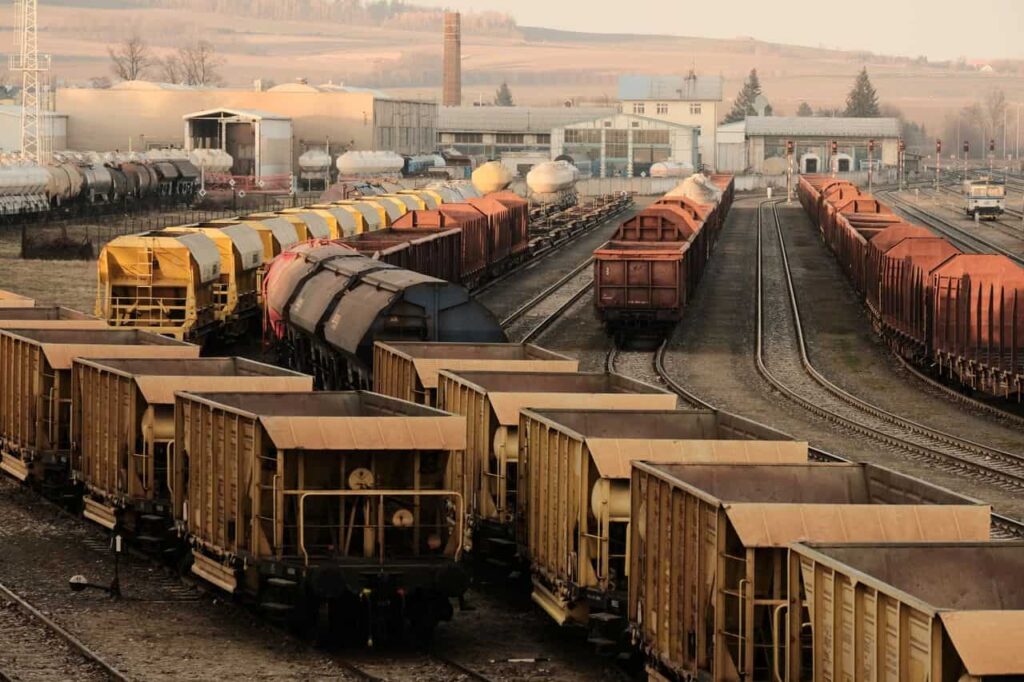
Transportation is another major part of supply chain resilience. Global businesses often depend on complex networks of shipping routes, ports, carriers, warehouses, and distribution centers. A disruption at any point can create delays throughout the network.
Companies can strengthen logistics resilience by developing alternative transportation routes and maintaining relationships with multiple logistics providers. Regional distribution centers can also reduce dependence on a single location and bring inventory closer to customers.
Real-time tracking can provide greater visibility into shipment status. When a delay occurs, logistics teams can respond earlier by adjusting routes, transportation methods, or delivery schedules.
Businesses should also regularly test their logistics contingency plans. A plan that exists only on paper may not work effectively during a real disruption. Simulation exercises can help organizations identify gaps before they become operational problems.
Preparing People for Disruption
Technology and infrastructure are important, but people remain central to supply chain resilience. Employees make decisions during uncertain situations, communicate with suppliers and customers, and coordinate responses across different functions.
Organizations should establish clear responsibilities for supply chain risk management. Teams should know who makes decisions during a disruption, how information is communicated, and which actions should be taken first.
Cross-functional collaboration is equally important. Procurement, operations, finance, logistics, sales, technology, and customer service teams often see different parts of the supply chain. Bringing these perspectives together can support faster and more informed decisions.
Leadership also plays an important role. Resilient organizations encourage teams to identify risks rather than hiding problems. Early visibility allows companies to respond before a small disruption becomes a major business issue.
Building Resilience for the Long Term
Supply chain resilience should not be treated as a one-time project. Global markets continue to evolve, and new risks can emerge unexpectedly. Organizations therefore need to continuously review their supply networks and update their strategies.
Regular risk assessments, supplier reviews, scenario planning, and performance measurement can help businesses understand whether their supply chains are prepared for changing conditions. Organizations can also learn from previous disruptions and use those experiences to strengthen future planning.
Sustainability is becoming part of this conversation as well. Climate-related risks, resource availability, environmental regulations, and changing customer expectations can influence supply chain decisions. Companies that consider environmental and social factors alongside operational risks can develop strategies that are better prepared for long-term change.
Ultimately, resilient supply chains are built through a combination of visibility, diversification, technology, flexibility, collaboration, and strong leadership. Businesses cannot predict every disruption, but they can improve their ability to respond.
In a changing global market, the strongest supply chains will not necessarily be those designed only for maximum efficiency. They will be those capable of adapting when circumstances change while continuing to deliver value to customers. Resilience is therefore becoming more than an operational advantage. It is an essential part of long-term business strategy and a critical foundation for sustainable growth.