Packaging has moved far beyond its traditional role of protecting products during transportation and storage. Today, it has become an important part of business strategy, customer experience, brand identity, sustainability, and operational efficiency. As markets become more competitive and consumers become more conscious of convenience and environmental impact, businesses are investing in packaging innovation to create stronger connections with customers and improve overall performance.
From smart packaging and sustainable materials to lightweight designs and personalized experiences, innovation is changing the way companies think about packaging. Businesses that treat packaging as a strategic investment can create new opportunities for growth while responding to changing customer expectations.
Packaging as a Business Growth Tool
For many years, packaging decisions were primarily focused on cost, protection, and functionality. While these factors remain important, modern packaging has a much broader role. It can influence whether a customer notices a product, chooses it over a competitor, remembers the brand, and ultimately purchases it again.
In crowded retail environments, packaging often provides the first physical interaction between a consumer and a product. A distinctive design, convenient format, or clear communication can immediately differentiate a brand. For e-commerce businesses, packaging also contributes to the unboxing experience, which has become an important part of customer engagement.
Innovative packaging therefore creates value at multiple stages of the customer journey. It can attract attention before purchase, improve usability during consumption, and strengthen brand recognition after purchase.
Sustainability Is Accelerating Innovation
One of the strongest forces behind packaging innovation is the growing demand for sustainable solutions. Consumers, retailers, regulators, and businesses are increasingly focused on reducing packaging waste and improving resource efficiency.
Companies are exploring recyclable, reusable, compostable, and bio-based materials as alternatives to conventional packaging. At the same time, many manufacturers are redesigning existing packaging to use fewer raw materials without compromising product protection.
Lightweight packaging is another important development. By reducing the amount of material required for each package, businesses can lower material consumption and potentially reduce transportation costs because lighter products require less energy to move.
The shift toward sustainability is also encouraging companies to rethink packaging throughout its lifecycle. Instead of asking only how a package performs when it reaches the customer, businesses are considering where its materials come from, how it is manufactured, how efficiently it can be transported, and what happens after use.
This broader perspective can help companies identify both environmental and operational improvements.
Smart Packaging Creates New Customer Experiences
Technology is opening another major area of opportunity. Smart packaging can connect physical products with digital experiences through technologies such as QR codes, NFC tags, sensors, and connected labels.
A simple QR code can direct customers to product information, instructional content, authenticity verification, recipes, promotional campaigns, or loyalty programs. For businesses, this creates an additional communication channel without requiring significant changes to the physical product.
In industries where product authenticity is important, connected packaging can also help customers verify products and access information about their origin. In supply chains, intelligent packaging technologies can support tracking, monitoring, and inventory visibility.
As digital and physical experiences become increasingly connected, packaging can become more than a container. It can function as an information platform and an additional customer touchpoint.
Packaging Personalization Strengthens Brand Relationships
Personalization is another area where packaging innovation is contributing to growth. Customers increasingly expect brands to understand their individual preferences, and packaging provides an opportunity to make products feel more relevant and distinctive.
Limited-edition packaging, personalized labels, regional designs, and customized formats can create excitement around products. Such approaches can be particularly effective for consumer-facing brands where emotional connection plays an important role in purchasing decisions.
Personalization does not always require complex technology. Even changes in color, design, messaging, size, or format can make packaging more relevant to a particular audience.
When executed effectively, personalized packaging can increase brand visibility while encouraging customers to share their experiences through social media and other digital platforms.
Convenience Is Becoming a Competitive Advantage
Consumers are also demanding packaging that makes everyday life easier. Easy-open formats, resealable containers, single-serve options, lightweight designs, and portable packaging are examples of innovations responding to this demand.
Convenience can have a direct impact on customer satisfaction. A product may have excellent quality, but difficult-to-open or inconvenient packaging can negatively affect the overall experience.
Businesses are therefore studying how customers actually interact with products. Packaging designers are considering factors such as grip, accessibility, storage, portability, dispensing, and resealing.
This customer-centered approach allows packaging to become part of the product experience rather than simply a protective layer around the product.
Innovation Can Improve Operational Efficiency
Packaging innovation can also deliver benefits behind the scenes. Businesses are increasingly looking at packaging from the perspective of the entire supply chain.
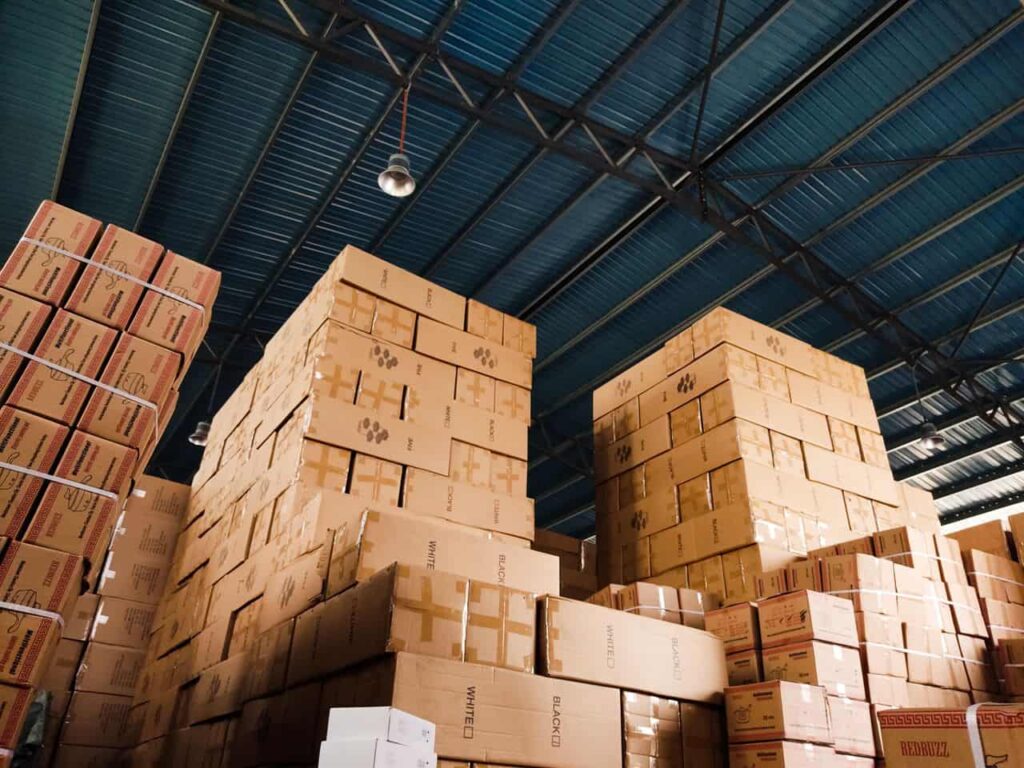
Optimized package dimensions can allow companies to fit more products into warehouses, trucks, shipping containers, and retail displays. Standardized packaging formats can simplify production and distribution, while lightweight materials can help reduce transportation requirements.
Automation is also influencing packaging operations. Modern production facilities can use robotics, machine vision, automated filling systems, and advanced inspection technologies to improve speed and consistency.
Better packaging design can therefore contribute to both customer-facing value and internal efficiency. This combination can help businesses improve margins while maintaining product quality.
Packaging Data Can Support Better Decisions
As packaging becomes more connected, it can also generate useful information. Businesses can use digital interactions to understand how customers engage with products and campaigns.
For example, QR code scans can provide information about customer engagement, while digital campaigns connected to packaging can help companies understand which messages or experiences generate stronger responses.
This creates an opportunity for packaging to become part of a broader data-driven marketing strategy. Instead of viewing packaging as a one-way communication tool, companies can use it to create measurable interactions.
The resulting insights can inform future product development, marketing campaigns, customer engagement strategies, and packaging design.
Innovation Supports Brand Differentiation
In competitive markets, product differentiation is increasingly difficult. Packaging provides another way for businesses to establish a recognizable identity.
A distinctive package can become closely associated with a brand. Shape, typography, materials, colors, textures, and opening experiences can all contribute to brand recognition.
For emerging companies, innovative packaging can help create visibility without relying entirely on traditional advertising. For established companies, packaging redesigns can refresh the brand and communicate changes in positioning.
However, successful innovation is not simply about creating packaging that looks different. The most effective solutions connect design with a clear business or customer purpose.
The Future of Packaging Innovation
The future of packaging will likely be shaped by the combination of sustainability, technology, convenience, personalization, and efficiency. Businesses will continue looking for ways to reduce waste while improving product protection and customer experience.
Artificial intelligence and advanced analytics may also play a greater role in packaging development by helping companies evaluate consumer preferences, optimize designs, forecast demand, and identify opportunities for material reduction.
At the same time, packaging manufacturers and brands will need to balance innovation with practicality. New solutions must be scalable, cost-effective, reliable, and compatible with existing supply chains.
Packaging innovation is ultimately becoming a strategic business capability. It influences how products are manufactured, transported, presented, purchased, used, and remembered. Companies that approach packaging from this wider perspective can discover opportunities to improve efficiency, strengthen customer relationships, support sustainability goals, and differentiate themselves in competitive markets.
As businesses continue to search for meaningful ways to create value, packaging will increasingly become part of the growth strategy rather than an afterthought. The package surrounding a product may be physical, but its impact can extend across the entire business.