
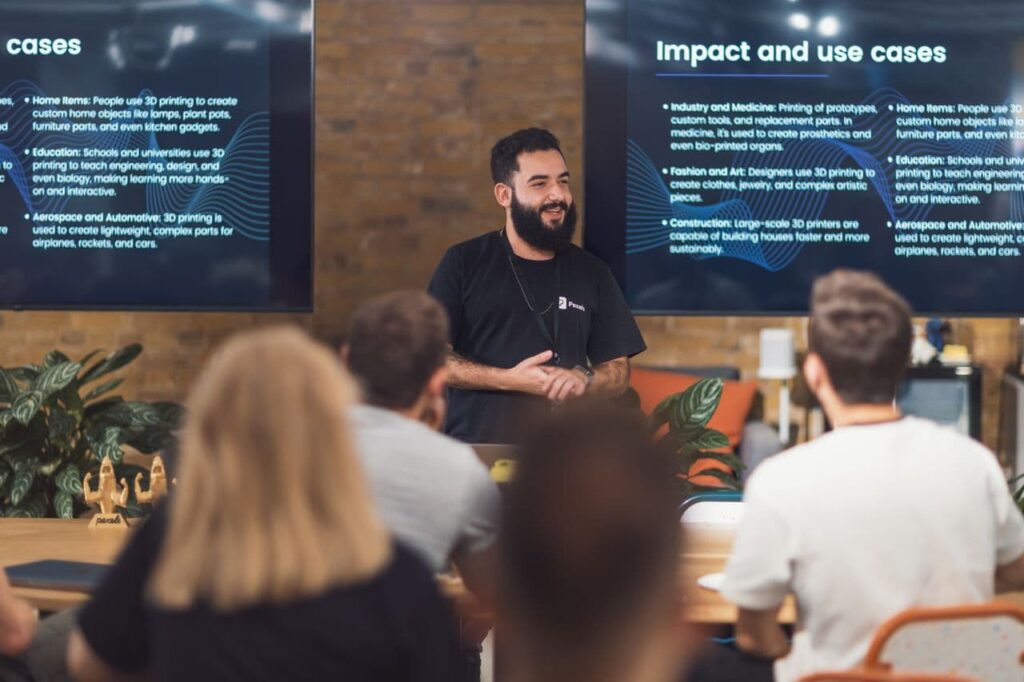
Leadership in 2026 is no longer defined only by job titles, business results, or the size of an organization. Modern leaders are expected to communicate clearly, manage uncertainty, understand people, build trust, and inspire action. In this changing environment, impactful speakers are playing an important role in shaping how leaders think, communicate, and respond to challenges.
The strongest speakers do more than deliver motivational messages. They bring real experiences, practical lessons, and new perspectives to their audiences. Their stories can help leaders understand resilience, emotional intelligence, adaptability, purpose, and the importance of human connection.
As organizations continue to navigate artificial intelligence, changing workplace expectations, economic uncertainty, and rapid technological development, leadership development has become a continuous process. Impactful speakers contribute to this process by helping individuals pause, reflect, and rethink how they lead.
Leadership Is Becoming More Human
Technology is transforming workplaces, but leadership remains deeply human. Artificial intelligence can process information, automate repetitive work, and support decision-making, but it cannot replace the trust and emotional connection that leaders build with their teams.
Impactful speakers often focus on the human side of leadership. They encourage executives and managers to listen more carefully, communicate with empathy, and understand the experiences of their employees.
This approach is increasingly important in workplaces where people may be working across different locations, cultures, generations, and professional backgrounds. Leaders need to create environments where people feel respected and connected to a shared purpose.
Speakers who address these issues give leaders practical ways to strengthen relationships while maintaining organizational performance.
Stories Make Leadership Lessons More Powerful
One of the strongest tools used by impactful speakers is storytelling. Facts can inform people, but stories often make ideas easier to understand and remember.
A speaker who has experienced failure, uncertainty, career changes, personal setbacks, or professional success can provide lessons that feel more authentic. Leaders can relate these experiences to their own challenges and recognize that growth rarely follows a perfectly predictable path.
Storytelling also helps leaders become better communicators. Instead of relying only on presentations filled with data, leaders can use meaningful stories to explain a company’s purpose, communicate change, or help employees understand why a particular decision matters.
In 2026, this ability is particularly valuable because employees are exposed to an enormous amount of information every day. Leaders who communicate with clarity and authenticity can make important messages easier to understand and remember.
Resilience Is Becoming a Leadership Skill
Uncertainty has become a regular part of modern business. Organizations face technological disruption, shifting customer expectations, changing markets, and new forms of workplace competition.
Impactful speakers help leaders understand that resilience is not simply the ability to survive difficult circumstances. It also involves learning, adapting, and continuing to move forward.
Speakers with backgrounds in elite sports, entrepreneurship, personal adversity, military service, or major career transitions often bring valuable perspectives on resilience. Their experiences show that setbacks can become opportunities for learning when approached with the right mindset.
For leaders, resilience also affects the wider organization. A leader’s response to pressure can influence how employees respond to challenges. Calm, thoughtful leadership can create confidence, while unclear communication can increase uncertainty.
Speakers Encourage Leaders to Embrace Change
Change is one of the defining characteristics of leadership in 2026. Artificial intelligence, automation, new business models, and evolving employee expectations are forcing organizations to rethink traditional approaches.
Impactful speakers can help leaders look at change from a different perspective. Instead of treating transformation only as a technology or operational issue, they encourage leaders to consider the people affected by it.
Successful transformation requires more than implementing new systems. Employees need to understand why change is happening, how it affects their work, and what support they will receive.
Speakers who specialize in change leadership can provide frameworks and real-world examples that help executives communicate transformation more effectively.
Emotional Intelligence Matters More Than Ever
Leadership is increasingly connected to emotional intelligence. A technically skilled leader may still struggle if they cannot understand their team’s concerns, manage difficult conversations, or recognize how their own behavior affects others.
Impactful speakers frequently address self-awareness, empathy, communication, and relationship-building. These qualities help leaders create stronger professional relationships and make better decisions.
Emotional intelligence is also important during conflict. Leaders regularly have to manage disagreements between employees, respond to criticism, and make decisions that may not please everyone. Learning to handle these situations with maturity and empathy can strengthen organizational trust.
Purpose Gives Leadership Direction
Another important contribution of impactful speakers is helping leaders think about purpose.
Business growth and financial performance remain important, but many organizations are also thinking about their broader impact on employees, customers, communities, and society. Leaders increasingly need to explain not only what their organization does but why it matters.
Speakers who focus on purpose can encourage leaders to look beyond short-term goals and consider the larger meaning behind their work.
A clear sense of purpose can also help employees understand how their individual contributions connect to organizational objectives. When people understand the bigger picture, their work can become more meaningful and aligned.
The Rise of Authentic Leadership
Modern audiences are increasingly responsive to authenticity. Employees and customers can quickly recognize communication that feels overly scripted or disconnected from reality.
Impactful speakers often share both achievements and struggles. By discussing challenges openly, they demonstrate that leadership does not require pretending to have every answer.
This can be an important lesson for executives. Authentic leadership does not mean sharing everything with everyone. It means communicating honestly, acknowledging uncertainty when appropriate, accepting responsibility, and remaining consistent with one’s values.
Leaders who demonstrate authenticity can create stronger relationships with their teams because employees are more likely to trust communication that feels genuine.
Turning Inspiration into Action
A powerful speech can create motivation, but lasting leadership development requires action.
The most valuable speakers therefore connect inspiration with practical ideas. They encourage audiences to identify specific behaviors they can change, conversations they need to have, or habits they can develop.
For example, a leadership keynote may encourage an executive to listen more actively during meetings, provide clearer feedback, delegate more effectively, or create more opportunities for employees to contribute ideas.
These small changes can gradually influence organizational culture.
Leadership development becomes more meaningful when people move from simply hearing an inspiring message to applying its lessons in their daily professional lives.
Preparing Leaders for the Future
The role of impactful speakers will continue to evolve as leadership itself changes. In 2026, leaders need to balance technological progress with human needs. They must understand data and artificial intelligence while also developing communication, empathy, creativity, and resilience.
Speakers can help bridge this gap by bringing together professional expertise and human experience. Their role is not to provide every answer but to encourage leaders to ask better questions and examine familiar challenges from new perspectives.
The future of leadership will require people who can adapt without losing their values, embrace technology without losing human connection, and pursue performance without ignoring wellbeing.
Conclusion
Impactful speakers are shaping leadership in 2026 by influencing how leaders approach people, change, communication, resilience, and purpose. Their experiences provide audiences with lessons that can extend beyond conference rooms and keynote stages.
The most meaningful speakers do not simply tell audiences what they want to hear. They encourage reflection, challenge assumptions, and turn personal experiences into lessons that others can apply.
As leadership continues to change, the ability to inspire thoughtful action will remain valuable. Impactful speakers have an important role in that journey, helping today’s leaders develop the mindset and human skills needed to guide organizations through an increasingly complex future.