
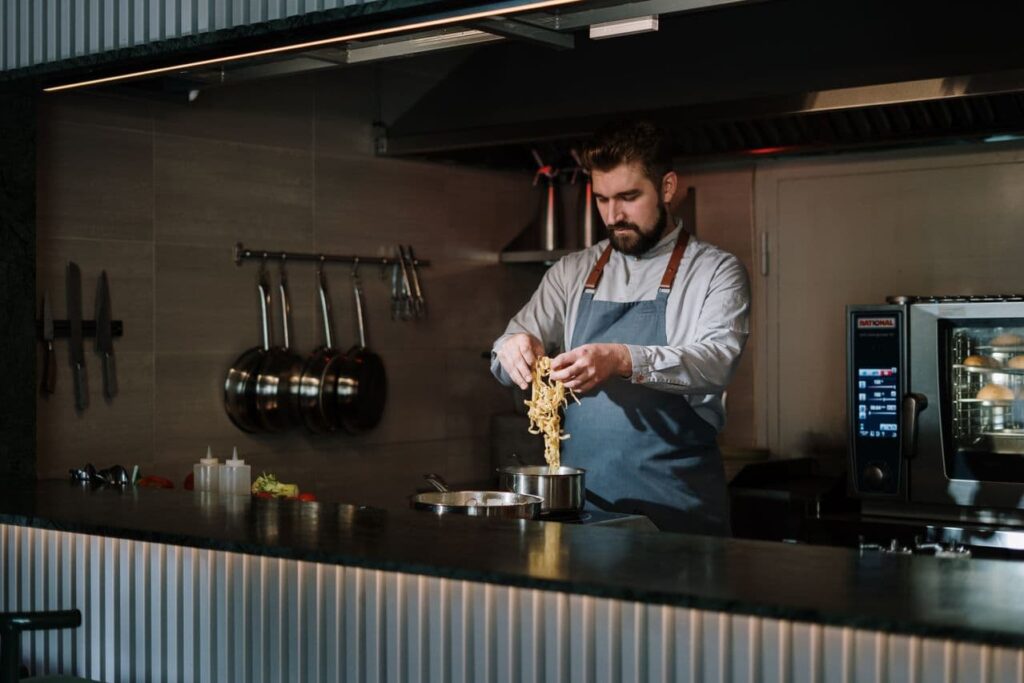
Great restaurants are built on consistency, passion, and people who care. A beautiful dining room, an impressive menu, or a talented chef may attract customers for the first time, but it is the quality of the experience that brings them back. Behind every successful restaurant is a team that understands that hospitality is not simply about serving food. It is about creating an experience that people remember and want to repeat.
A restaurant can have an excellent opening night, but long-term success is built differently. It comes from delivering a reliable standard every day, whether the dining room is full on a Saturday evening or quieter on a Monday afternoon. Customers return when they know they can expect good food, attentive service, a welcoming atmosphere, and an experience that feels worth their time and money.
This is where consistency becomes one of the most important ingredients in hospitality.
Consistency does not mean making every experience identical. It means maintaining the standards that define the restaurant while allowing room for personality and spontaneity. A signature dish should taste as it is intended to taste. Service should remain professional even when the restaurant is busy. Tables should be prepared properly, orders should be handled carefully, and guests should feel welcomed regardless of how many times they have visited.
Achieving this level of consistency requires discipline.
In a restaurant, hundreds of small decisions happen every day. Ingredients need to be sourced and stored correctly. Preparation must follow established standards. Kitchen teams need to communicate effectively. Front-of-house staff must understand the menu and anticipate customer needs. Managers have to monitor quality while supporting employees.
When these processes work together, consistency becomes part of the restaurant’s identity.
Passion is another essential ingredient.
Restaurants are demanding environments. Long hours, high expectations, changing customer needs, and constant pressure require commitment. People who genuinely care about food and hospitality bring a different energy to their work. Their passion can be seen in the way they prepare a dish, explain an ingredient, welcome a guest, or solve a problem.
Passion is not limited to the chef.
A great restaurant depends on everyone, from the kitchen porter and dishwasher to the server, bartender, manager, host, supplier, and owner. Each person contributes to the final experience. When employees understand that their work matters, even tasks that may appear small become part of a larger purpose.
People are therefore at the heart of hospitality.
Food may be the reason people enter a restaurant, but people often determine whether they enjoy the experience. A knowledgeable server can make a guest feel comfortable choosing a dish. A thoughtful manager can turn a complaint into an opportunity to rebuild trust. A chef who cares about ingredients can create food that communicates more than flavor.
The human element cannot easily be replaced.
Technology has become increasingly important in restaurants. Digital ordering systems, reservation platforms, kitchen management tools, automated inventory systems, contactless payments, and data analytics can improve efficiency. Technology can reduce errors and help restaurant teams understand customer preferences.
However, technology should support hospitality rather than remove the human connection behind it.
Customers do not visit restaurants only to complete a transaction. They often come to celebrate, relax, meet friends, conduct business, enjoy a meal with family, or experience something new. The atmosphere and human interaction are part of the value.
This makes hospitality a deeply emotional business.
A restaurant can serve excellent food and still fail to create loyalty if guests feel ignored or uncomfortable. Likewise, a restaurant can recover from a minor mistake when the team responds with honesty, empathy, and professionalism. People understand that mistakes can happen. What they remember is how those mistakes were handled.
This is why caring matters.
A culture of care begins with leadership. Restaurant owners and managers set the tone for how employees treat guests and one another. If leaders respect their teams, communicate clearly, provide training, and recognize good work, employees are more likely to extend the same care to customers.
Employee experience and customer experience are closely connected.
Restaurant work can be physically and emotionally demanding. High turnover has long been a challenge across the hospitality industry, making recruitment, training, and retention important parts of successful restaurant management. A restaurant that invests in its people is investing in the quality of its service.
Training is particularly important.
Employees should understand more than their individual responsibilities. They should know what the restaurant represents, what standards it follows, and what kind of experience it wants to create. Servers who understand the menu can make better recommendations. Kitchen staff who understand quality standards can identify problems earlier. Managers who understand both operations and hospitality can make stronger decisions.
Training also gives employees confidence.
When people know what they are doing and understand why it matters, they are more capable of handling unexpected situations. A confident team creates a smoother experience for guests.
Another defining feature of great restaurants is their relationship with ingredients.
Quality begins before food reaches the kitchen. Restaurants that care about what they serve pay attention to sourcing, seasonality, freshness, preparation, and waste. Strong relationships with suppliers can provide access to better ingredients and greater consistency.
At the same time, modern restaurants are increasingly expected to think about sustainability. Reducing food waste, managing energy use, choosing responsible suppliers, minimizing unnecessary packaging, and using ingredients efficiently can benefit both the environment and the business.
Creativity also has an important role.
A restaurant needs a clear identity. It may be built around a particular cuisine, cooking philosophy, cultural tradition, location, or personal story. Creativity allows restaurants to evolve without losing what makes them recognizable.
Successful restaurants understand that innovation does not always require constant reinvention. Sometimes it means improving an existing dish, introducing seasonal specials, redesigning the dining experience, or finding a better way to tell the restaurant’s story.
Listening to customers can help with this evolution.
Feedback provides valuable information, but great restaurant leaders do not simply follow every opinion. They look for patterns. If multiple guests mention the same issue, it deserves attention. If a particular dish consistently receives positive responses, it may reveal something important about the restaurant’s strengths.
Data can support these decisions, but instinct remains valuable.
Hospitality is both a business and a creative discipline. Owners must understand costs, staffing, pricing, purchasing, margins, and operations while also protecting the experience that makes the restaurant special. Balancing these priorities requires thoughtful leadership.
Profitability matters because a restaurant cannot provide lasting value if it cannot remain financially sustainable. But financial performance and hospitality do not have to be opposing goals. Better planning, efficient operations, strong supplier relationships, appropriate pricing, and engaged employees can improve both the customer experience and the business.
Ultimately, great restaurants are built through hundreds of small acts of care.
It is the chef checking the quality of an ingredient. It is the server remembering a returning customer’s preference. It is the manager noticing that a guest needs assistance before being asked. It is the kitchen team maintaining standards during a busy service. It is the owner investing in training instead of treating employees as replaceable.
These moments may never appear on a menu, but they become part of the restaurant’s reputation.
The greatest restaurants understand that reputation is earned gradually. One meal creates an impression. Repeated positive experiences create trust. Trust creates loyalty. Loyalty creates a community around the restaurant.
That community can become one of its greatest strengths.
Customers who feel connected to a restaurant often recommend it to friends, celebrate milestones there, follow its story, and return regularly. Employees who feel connected to the restaurant can become ambassadors for its values. Suppliers who trust the business can become long-term partners.
This is why the statement that great restaurants are built on consistency, passion, and people who care is more than a simple description. It is a business principle.
Consistency gives customers confidence. Passion gives the restaurant character. Caring people turn food and service into genuine hospitality.
Trends will change. Menus will evolve. Technology will become more sophisticated. Customer expectations will continue to shift. Yet the fundamentals of great hospitality remain remarkably human.
People want to be welcomed. They want to enjoy good food. They want to feel respected. They want experiences worth remembering.
Restaurants that understand these simple truths have a stronger foundation for lasting success.
Because in the end, a great restaurant is not simply a place where people eat. It is a place where people connect, celebrate, discover, relax, and create memories. The food may bring them through the door, but consistency, passion, and people who genuinely care are what give them a reason to return.