
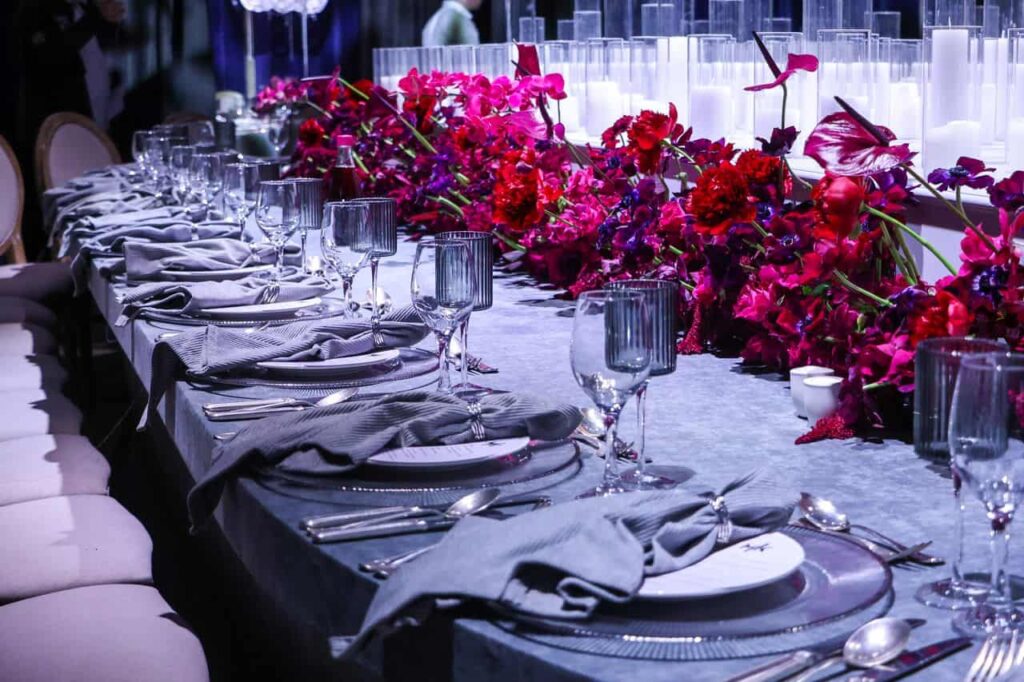
The best events are built on trust, creativity, and thoughtful preparation. Whether it is a corporate conference, a leadership summit, a product launch, a private celebration, or a large-scale public gathering, successful events rarely happen by accident. Behind every smooth experience is a combination of careful planning, strong relationships, creative thinking, and attention to detail.
An event may last only a few hours or several days, but the experience it creates can remain with people for much longer. Attendees remember how they felt, how easily they moved through the experience, the quality of the interactions, and whether the event gave them something meaningful to take away. This is why event planning is about much more than arranging a venue, booking suppliers, and creating a schedule. It is about designing an experience with purpose.
Building Trust With Clients
Trust is one of the most important elements in that process.
Clients trust event professionals with important moments. They expect planners, producers, agencies, venues, vendors, and partners to understand their goals and turn their vision into reality. That trust cannot be created through promises alone. It develops through communication, consistency, transparency, and the ability to handle challenges responsibly.
From the first conversation, successful event teams focus on listening. They ask questions about the purpose of the event, the audience, the desired atmosphere, the available budget, and the outcomes that matter most. Instead of immediately presenting solutions, they first work to understand what the client is trying to achieve.
This approach creates a stronger foundation for every decision that follows.
Trust also becomes particularly important when unexpected problems occur. Events involve many moving parts, and even the most carefully planned occasion can face changes. A speaker may cancel, equipment may fail, weather may change, a supplier may experience a delay, or an agenda may need to be adjusted at the last minute. What separates strong event professionals from average ones is often their ability to respond calmly and find practical solutions without allowing the audience to feel the disruption.
Preparation makes that possible
Preparation makes that possible.
Thoughtful preparation is one of the least visible but most important parts of event success. Guests may never know how many hours were spent reviewing schedules, checking floor plans, confirming suppliers, testing technology, preparing speakers, or developing contingency plans. Yet these details directly influence the final experience.
A well-prepared event creates a sense of ease. Registration feels organized. Speakers know where they need to be. Staff understand their responsibilities. Technology works as expected. Catering arrives on time. Guests receive clear information. Transitions happen naturally.
Good preparation does not mean trying to control every second. Instead, it creates enough structure to allow the event to remain flexible.
Using Creativity With Purpose
This is where creativity becomes equally important.
Events are experiences, and experiences need imagination. Creativity can transform a standard gathering into something memorable. It may appear through the design of a stage, the layout of a venue, the way speakers interact with the audience, the use of lighting and sound, the choice of entertainment, or the way a brand’s story is presented.
However, creativity should always serve a purpose.
A visually impressive event is not necessarily a successful event. The most effective creative decisions are connected to the event’s objectives. A corporate leadership conference may benefit from an environment that encourages discussion and collaboration. A product launch may require an experience that creates excitement and strengthens the brand. A networking event may need spaces that make conversations feel natural rather than forced.
Creativity works best when it responds to the audience.
Understanding the audience is therefore another essential part of event design. Different groups have different expectations. Senior executives may value efficiency, meaningful conversations, and high-quality content. Younger audiences may expect more interactive experiences and digital engagement. Employees attending an internal event may be looking for recognition, connection, and inspiration.
When organizers understand these expectations, they can design experiences that feel relevant rather than generic.
Creating Genuine Human Connection
The strongest events also create opportunities for genuine human connection. People may attend an event because of a keynote speaker or business objective, but meaningful conversations often become one of the most valuable outcomes. A well-designed event gives people reasons to interact, exchange ideas, build relationships, and discover opportunities.
This is especially important in corporate events.
A conference should not simply deliver information from a stage. It can become a platform where professionals meet people outside their usual networks, share experiences, discuss challenges, and develop new perspectives. Workshops, roundtable discussions, informal gatherings, networking sessions, and interactive formats can make participants active contributors rather than passive observers.
The role of technology has also expanded the possibilities of event experiences.
Digital registration, event applications, audience polling, virtual participation, live translation, interactive displays, and data analytics can make events more accessible and engaging. Technology can also help organizers understand attendee behavior and measure participation.
Visual technology plays a part too. Large screens for stage backdrops, live feeds, and signage help audiences follow the content from any seat, and working with a professional LED screen supplier early in the planning process helps ensure the display suits the venue’s size, lighting, and viewing distances.
Yet technology should never be used simply because it is available.
The best event technology is almost invisible. It makes the experience easier without distracting from the people and purpose at the center of the event. A complicated digital system that creates confusion can be less valuable than a simple solution that works reliably.
Making Events More Sustainable
The same principle applies to sustainability.
Modern event planning increasingly requires consideration of environmental impact. Organizers can reduce unnecessary waste, select reusable materials, work with local suppliers, reduce paper usage, consider transportation requirements, and make more thoughtful choices about food and production. Sustainability does not have to reduce creativity. In many cases, it can encourage more innovative approaches to design and resource management.
Another defining quality of exceptional events is attention to detail.
Small details can influence how people experience an event. Clear signage can reduce confusion. Comfortable seating can improve concentration. Well-planned breaks can prevent fatigue. Thoughtful food options can make guests feel considered. A knowledgeable event team can make people feel welcome from the moment they arrive.
These details may seem minor individually, but together they shape the overall impression.
Building a Strong Event Team
Behind them is often a strong team.
Event management is collaborative by nature. Planners depend on designers, production teams, caterers, venue staff, technical specialists, speakers, entertainers, security teams, transportation providers, and many other professionals. Each person contributes to the final experience.
Strong collaboration requires clear communication and mutual respect. When everyone understands the bigger objective, individual responsibilities become part of a unified vision.
Leadership is especially important when pressure increases. Event days can be demanding, and decisions often need to be made quickly. Effective event leaders remain composed, communicate clearly, support their teams, and focus on solutions. Their leadership creates confidence throughout the operation.
Evaluating Event Success
After the event, the work is not necessarily finished.
Evaluation allows event professionals to understand what worked and what could be improved. Feedback from attendees, clients, speakers, sponsors, and team members can reveal valuable insights. Attendance numbers and engagement metrics can provide measurable information, while conversations can reveal emotional responses that numbers cannot capture.
Continuous improvement is what allows event teams to grow.
Ultimately, the best events are not defined by how much money was spent or how elaborate the production looked. They are defined by whether the experience achieved its purpose. Did people connect? Did they learn something? Did they feel valued? Did the event strengthen relationships? Did it create memories or inspire action?
Trust provides the foundation. Creativity gives the experience its personality. Preparation creates the structure that allows everything to work together.
When these three elements come together, an event becomes more than a gathering. It becomes an experience designed with intention, delivered with care, and remembered for the right reasons.
The most successful event professionals understand that people may forget individual details over time, but they rarely forget how an experience made them feel. That is why exceptional events begin long before the doors open. They begin with listening, planning, imagining, communicating, and building trust.
When every detail supports a clear purpose and every creative choice serves the people in the room, an event can do something remarkable: bring people together in a way that feels effortless, meaningful, and memorable.