
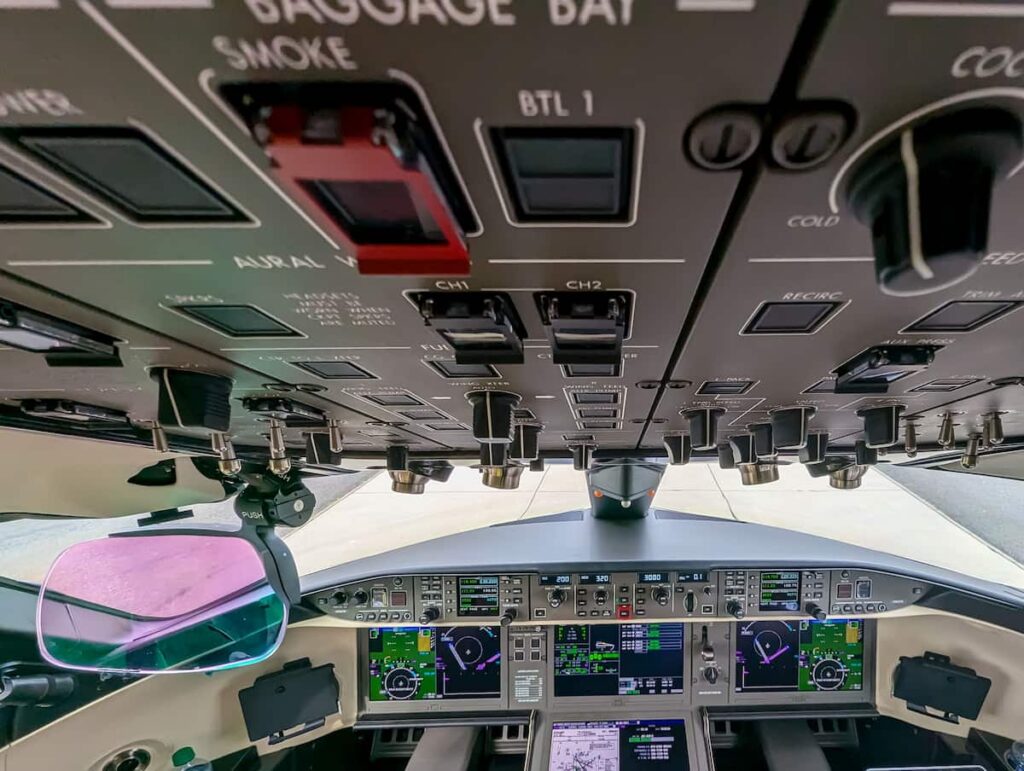
Aviation moves fast, and cockpit technology moves just as fast. Airlines, charter companies, and private operators are all under pressure to fly safer, meet new rules, and keep passengers happy, all while watching every dollar. That is where avionics modernization comes in. Upgrading the electronic systems that run navigation, communication, and monitoring is no longer a nice-to-have. It is quickly becoming the line between businesses that grow and businesses that fall behind.
Fleets that once relied on decades-old instrument panels are now being replaced with digital displays and satellite-based navigation, and the shift is happening faster than many operators expect.
In this guide, we will walk through five practical ways modern avionics keep aviation businesses competitive, and why waiting too long to upgrade can quietly cost more than the upgrade itself.
1. Safer Flights Build Stronger Reputations
Safety is still the number one thing passengers and partners judge an aviation business on. Older avionics rely on outdated instruments that can misread weather, traffic, or terrain data. Modern systems give pilots clearer, real-time information, which reduces the chance of human error during critical moments.
A business known for maintaining a safe fleet earns trust faster, and trust is what keeps clients coming back and referring others. Word travels quickly in aviation circles, and a strong safety record often becomes the deciding factor when a client is choosing between two similar operators.
2. Compliance Keeps Aircraft Flying Legally
Aviation authorities regularly update airspace rules, and older aircraft can quickly fall out of step. Grounded planes do not earn revenue, and missed deadlines can lead to fines or restricted routes. Regular avionics updates help operators stay ahead of mandates instead of scrambling at the last minute. According to the Federal Aviation Administration, NextGen technology upgrades delivered $10.9 billion in measurable benefits to the U.S. aviation system between 2010 and 2023, showing just how much value modern equipage adds once operators are properly equipped.
Staying ahead of these updates also means an aircraft is ready to use new airspace procedures the moment they roll out, instead of sitting on the sidelines while competitors take advantage.
3. Modern Systems Cut Operating Costs
New avionics are usually lighter, more fuel-efficient, and easier to maintain than the analog systems they replace. Fewer mechanical parts mean fewer things that can break down mid-season, which keeps aircraft flying instead of sitting in the hangar. Over time, this adds up to real savings on fuel, repairs, and unplanned downtime. Here are a few cost areas that typically improve after modernization:
● Lower fuel burn from more efficient flight planning and routing
● Reduced maintenance callouts due to fewer legacy failure points
● Less downtime from parts that are easier to source and replace
● Lower insurance premiums tied to improved safety records
4. Upgrades Protect Long-Term Aircraft Value
Buyers in the used aircraft market pay close attention to what is inside the cockpit, not just what the airframe looks like. An aircraft with outdated instruments is harder to sell and usually fetches a lower price, since the next owner will likely need to invest in updates right away. Working with a trusted provider of avionics upgrade services early on can help owners avoid that discount and keep resale value strong for years to come, since a well-documented upgrade history reassures buyers the aircraft has been properly cared for.
Specialist teams such as Kubick Aviation Services have built their reputation on helping owners plan upgrades that satisfy current regulations while also protecting future resale value, which takes a lot of the guesswork out of the process.
5. A Competitive Edge in a Modernizing Industry
As more operators upgrade their fleets, the gap between modern and outdated aircraft becomes harder to ignore. Clients booking charters, cargo contracts, or training programs increasingly ask about avionics capability before signing anything. Businesses that upgrade early position themselves as the modern, reliable choice, while those that wait risk being seen as behind the curve, even if their aircraft still fly safely on paper.
Modern systems also give operators better data on engine health and fuel use, which helps them plan maintenance early and keep aircraft flying instead of sitting grounded. Winning new contracts often comes down to which operator can offer the smoothest, most dependable flight experience, and modern avionics play a direct role in that impression.
Final Thoughts
Avionics modernization touches almost every part of an aviation business, from safety and compliance to cost control and customer trust. It is an investment that pays back in ways that are easy to underestimate until a competitor pulls ahead by making the move first.
For operators thinking about their next step, a good starting point is simply reviewing where the current fleet stands against today’s standards and deciding what upgrades matter most right now. Taking that first step sooner rather than later is often what separates the businesses that lead their market from the ones still catching up.