
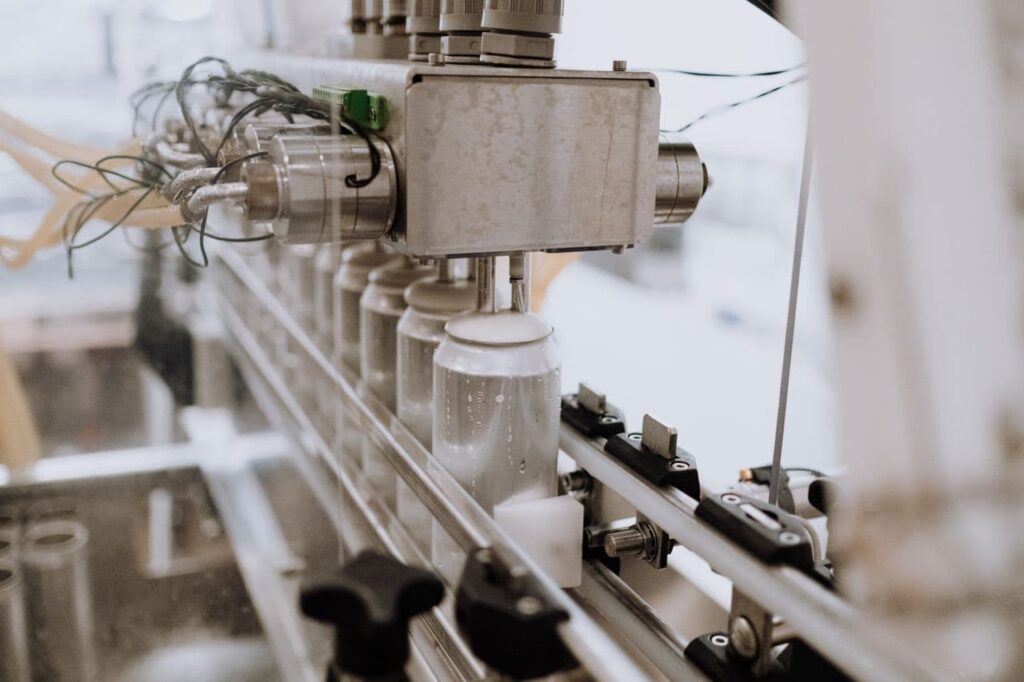
Manufacturing is undergoing one of the biggest transformations in its history. The rise of Industry 4.0 is changing the way factories operate, products are made, and supply chains are managed. Powered by technologies such as artificial intelligence (AI), robotics, the Industrial Internet of Things (IIoT), cloud computing, big data, and advanced analytics, Industry 4.0 is creating a new generation of smart manufacturing that is more efficient, connected, and responsive than ever before.
For manufacturers, Industry 4.0 is no longer a vision for the future—it is becoming a business necessity. Companies that embrace digital transformation are improving productivity, reducing costs, enhancing product quality, and staying competitive in a rapidly evolving global market.
Understanding Industry 4.0
Industry 4.0, often called the Fourth Industrial Revolution, refers to the integration of digital technologies into manufacturing processes. Unlike traditional factories that rely heavily on manual operations or isolated automation systems, Industry 4.0 connects machines, equipment, software, and people through intelligent networks.
Every stage of production generates valuable data. Smart sensors collect information from machines, production lines, warehouses, and logistics systems. This data is analyzed in real time, allowing manufacturers to make faster and more informed decisions.
The goal is not simply to automate production but to create intelligent factories where systems communicate, learn, and continuously improve operations.
Smart Factories Are Becoming the New Standard
The smart factory is one of the defining features of Industry 4.0. In a smart factory, connected machines exchange information automatically, helping production systems operate with greater precision and flexibility.
Sensors monitor machine performance, production speed, energy usage, and product quality throughout the manufacturing process. Managers receive real-time updates that allow them to identify bottlenecks, adjust workflows, and prevent production delays before they become major problems.
Unlike conventional manufacturing, where issues may only be discovered after production is complete, smart factories provide continuous visibility into operations. This enables faster decision-making and significantly improves overall efficiency.
Artificial Intelligence Is Transforming Production
Artificial intelligence has become one of the most powerful technologies in modern manufacturing. AI systems process large amounts of operational data and identify patterns that would be difficult for humans to detect.
One of the most valuable applications is predictive maintenance. Instead of waiting for equipment to fail, AI analyzes machine performance and predicts when maintenance is needed. This reduces unexpected downtime, extends equipment life, and lowers maintenance costs.
AI also improves quality control. Computer vision systems inspect products with remarkable accuracy, detecting even minor defects during production. Manufacturers can correct issues immediately, reducing waste and improving customer satisfaction.
AI also supports production planning by forecasting demand, optimizing scheduling, and improving inventory management.
Robotics Are Increasing Productivity
Automation has been part of manufacturing for decades, but Industry 4.0 has made robotics more intelligent and flexible.
Modern industrial robots perform repetitive, physically demanding, and high-precision tasks with exceptional speed and consistency. They work around the clock, helping manufacturers increase production while maintaining high quality standards.
Collaborative robots, known as cobots, represent another major advancement. Unlike traditional robots that operate inside safety cages, cobots are designed to work safely alongside human employees. They assist workers by handling repetitive tasks while people focus on activities requiring creativity, judgment, and problem-solving.
This collaboration improves productivity without eliminating the importance of skilled workers.
The Industrial Internet of Things Creates Connected Manufacturing
The Industrial Internet of Things connects machines, sensors, equipment, and software across the factory floor.
Every connected device collects valuable operational information, including temperature, vibration, machine speed, energy consumption, and production output. This information is transmitted instantly to centralized systems where it can be analyzed.
Managers gain complete visibility into manufacturing operations from a single dashboard. They can monitor production remotely, identify equipment issues early, and optimize resource allocation.
IIoT also improves communication between suppliers, manufacturers, distributors, and customers, creating more efficient supply chains.
Digital Twins Improve Decision-Making
One of the most exciting innovations in Industry 4.0 is the use of digital twins.
A digital twin is a virtual replica of a physical machine, production line, or even an entire manufacturing facility. Using real-time operational data, manufacturers can simulate production processes before implementing changes in the real world.
Digital twins help engineers test new production methods, evaluate equipment performance, and identify potential risks without interrupting actual operations.
This reduces development costs, accelerates innovation, and improves decision-making while minimizing operational risks.
Data Is Becoming Manufacturing’s Greatest Asset
Industry 4.0 generates enormous amounts of operational data every day. However, collecting data alone does not create value.
Manufacturers must transform raw information into meaningful business insights through advanced analytics.
Data-driven manufacturing helps organizations:
- Improve production efficiency
- Reduce material waste
- Optimize inventory levels
- Increase equipment reliability
- Forecast customer demand
- Improve delivery performance
- Support strategic planning
Companies that effectively use data gain a significant competitive advantage by making faster, more accurate decisions.
Industry 4.0 Strengthens Supply Chains
Recent global disruptions have demonstrated the importance of resilient supply chains.
Industry 4.0 provides manufacturers with greater visibility across their supplier networks through digital platforms and real-time tracking systems.
Advanced analytics help businesses forecast demand more accurately, optimize inventory levels, and identify potential disruptions before they affect production.
Automation within warehouses further improves efficiency through robotic storage systems, automated material handling, and intelligent inventory management.
The physical infrastructure supporting these automated systems is just as critical to their success. Robust manufacturing racking systems provide the structured storage framework needed for intelligent inventory management, ensuring goods are stored safely, systematically, and in a way that supports both automated picking technologies and efficient manual operations throughout the warehouse.
As supply chains become more connected, manufacturers can respond more quickly to changing customer needs while reducing operational risks.
Sustainability Is Driving Digital Transformation
Environmental responsibility has become a major priority for manufacturers worldwide.
Industry 4.0 technologies support sustainability by helping companies reduce waste, improve energy efficiency, and optimize resource utilization.
AI-powered systems monitor energy consumption and automatically adjust production schedules to reduce electricity usage.
Connected equipment identifies opportunities to reduce emissions, minimize scrap materials, and improve recycling processes.
Smart manufacturing allows companies to achieve environmental goals while lowering operating costs, making sustainability both a business and social responsibility.
People Remain Central to Industry 4.0
Although automation continues to expand, people remain at the center of manufacturing.
Industry 4.0 changes jobs rather than eliminating them. Employees increasingly manage automated systems, analyze production data, solve technical challenges, and improve operational performance.
Manufacturers are investing heavily in workforce development to build digital skills.
Training programs now focus on robotics, AI, cybersecurity, data analytics, automation systems, and digital maintenance.
In addition to technical skills, employees need strong communication, critical thinking, adaptability, and collaboration abilities to succeed in increasingly digital workplaces.
Organizations that invest in both technology and people achieve stronger long-term results.
Overcoming Challenges
Despite its many benefits, implementing Industry 4.0 presents several challenges.
Many manufacturers face high initial investment costs when upgrading equipment and implementing digital infrastructure.
Integrating new technologies with existing legacy systems can also be complex. Companies must carefully plan digital transformation projects to minimize operational disruptions.
Cybersecurity has become another major concern. Connected factories generate and exchange large amounts of sensitive operational data, making strong cybersecurity strategies essential.
Finally, organizations must address workforce skill gaps by providing continuous training and creating a culture that embraces innovation and lifelong learning.
The Future of Manufacturing
Industry 4.0 continues to evolve as emerging technologies become more advanced.
Artificial intelligence will become increasingly autonomous, allowing manufacturing systems to make real-time decisions with minimal human intervention.
5G connectivity will improve communication between machines, enabling faster data transfer and greater automation.
Digital twins will become more sophisticated, helping manufacturers simulate entire production ecosystems.
Sustainable manufacturing will continue to expand as businesses adopt cleaner technologies and smarter resource management.
The factories of the future will be intelligent, highly connected, and capable of adapting quickly to changing customer demands and market conditions.
Conclusion
Manufacturing Industry 4.0 represents far more than technological advancement—it is a complete transformation of how products are designed, produced, and delivered. By integrating AI, robotics, IIoT, cloud computing, digital twins, and advanced analytics, manufacturers are building smarter, more efficient, and more resilient operations.
While technology is the foundation of Industry 4.0, success ultimately depends on combining digital innovation with skilled employees, effective leadership, and continuous improvement. Organizations that embrace this transformation will be better equipped to improve productivity, strengthen supply chains, achieve sustainability goals, and remain competitive in the years ahead.
As manufacturing continues to evolve, Industry 4.0 will serve as the driving force behind the next generation of industrial growth, creating smarter factories that deliver higher quality, greater flexibility, and lasting business value.