
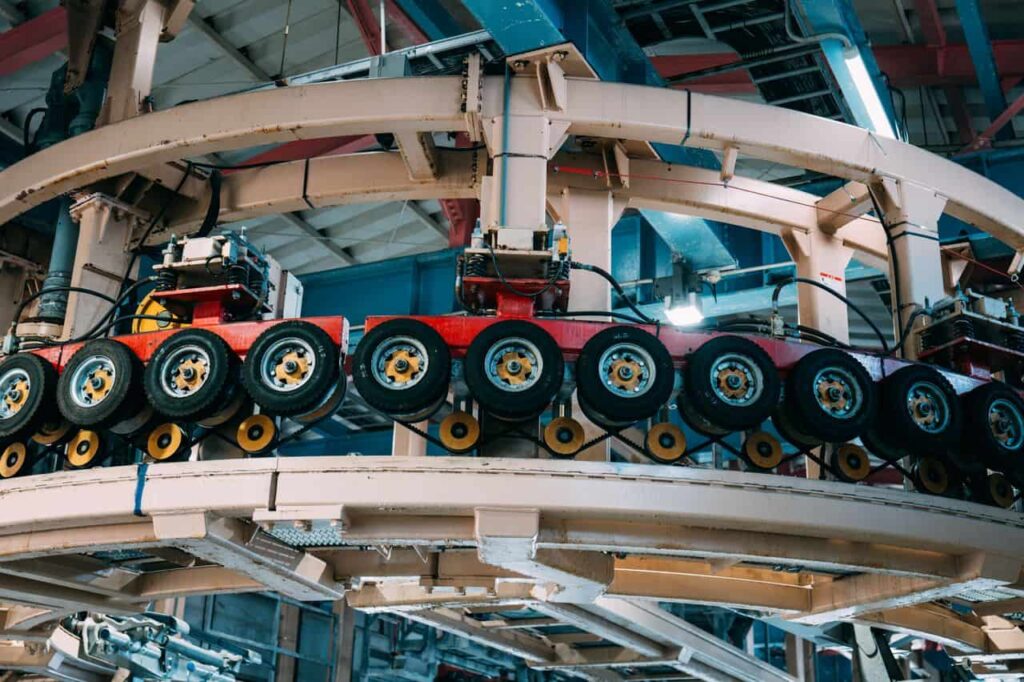
Manufacturing has entered a new era where automation is no longer a luxury but a necessity. As industries face rising production costs, labor shortages, and increasing customer expectations, businesses are turning to automation and digital technologies to improve efficiency, quality, and competitiveness. From robotic assembly lines to artificial intelligence (AI) and smart factories, automation is transforming every stage of the manufacturing process.
Automation allows manufacturers to perform repetitive tasks with greater speed and accuracy than traditional manual methods. Robots can work continuously with minimal downtime, helping companies increase production while reducing human error. This results in higher product quality, lower operational costs, and improved workplace safety. Employees are also freed from repetitive and physically demanding tasks, allowing them to focus on more complex and creative responsibilities.
One of the biggest drivers of this transformation is the rise of smart manufacturing. Modern factories use connected machines equipped with sensors that collect real-time data throughout production. This information helps managers monitor equipment performance, identify bottlenecks, and optimize workflows. By using data-driven insights, manufacturers can make faster decisions and improve overall productivity.
Artificial intelligence is playing an increasingly important role in manufacturing automation. AI-powered systems analyze production data to predict equipment failures before they happen, reducing costly downtime through predictive maintenance. Machine learning algorithms also improve quality control by detecting defects more accurately than traditional inspection methods. These technologies help manufacturers maintain consistent quality while reducing waste.
The Industrial Internet of Things (IIoT) is another technology reshaping the industry. Connected devices communicate with each other, creating a network that provides complete visibility across production lines. Managers can track inventory, monitor machine health, and optimize energy consumption from a single platform. This level of connectivity improves efficiency and supports better planning throughout the supply chain.
Automation is also making manufacturing more flexible. In the past, factories were designed for large-scale production of identical products. Today, customers increasingly demand customized products delivered quickly. Automated systems allow manufacturers to adjust production lines with minimal disruption, making mass customization both practical and cost-effective.
Digital twins are becoming valuable tools in modern manufacturing. A digital twin is a virtual model of a physical machine, production line, or factory. Manufacturers use these digital models to simulate operations, test improvements, and identify potential issues before making physical changes. This reduces risk, lowers costs, and speeds up innovation.
Supply chain management is also benefiting from automation. Advanced software can forecast demand, optimize inventory levels, and improve logistics planning. Automated warehouses use robots to store, retrieve, and transport materials efficiently, reducing delays and improving order accuracy. These improvements help manufacturers respond more quickly to changing market conditions.
Despite its many advantages, automation does not eliminate the need for human workers. Instead, it changes the nature of manufacturing jobs. Employees increasingly oversee automated systems, analyze production data, maintain advanced equipment, and solve complex operational challenges. As a result, manufacturers are investing more in workforce training to develop digital and technical skills.
Cybersecurity has become a growing priority as factories become more connected. Smart manufacturing systems generate and share large amounts of sensitive data, making them potential targets for cyberattacks. Companies must implement strong cybersecurity measures, including secure networks, regular software updates, employee awareness training, and continuous system monitoring to protect operations.
Sustainability is another area where automation delivers significant benefits. Automated systems optimize energy use, reduce material waste, and improve resource efficiency. AI can help manufacturers minimize emissions by optimizing production schedules and reducing unnecessary machine operation. These improvements support both environmental goals and long-term cost savings.
Small and medium-sized manufacturers are also embracing automation. While advanced technologies once required significant investment, cloud computing, affordable robotics, and software-as-a-service platforms have made automation more accessible. Businesses of all sizes can now adopt digital solutions that improve productivity without requiring massive infrastructure investments.
The future of manufacturing will continue to be shaped by automation, artificial intelligence, robotics, and digital technologies. Factories will become increasingly connected, intelligent, and flexible, enabling businesses to respond faster to customer demands while maintaining high quality and operational efficiency.
However, technology alone is not enough. Successful manufacturers must combine automation with skilled employees, effective leadership, and continuous improvement. Organizations that invest in both people and technology will be best positioned to compete in an increasingly digital economy.
Automation is not simply changing how products are made—it is redefining the entire manufacturing industry. Companies that embrace this transformation today will build stronger, more resilient operations capable of meeting the challenges and opportunities of tomorrow.