
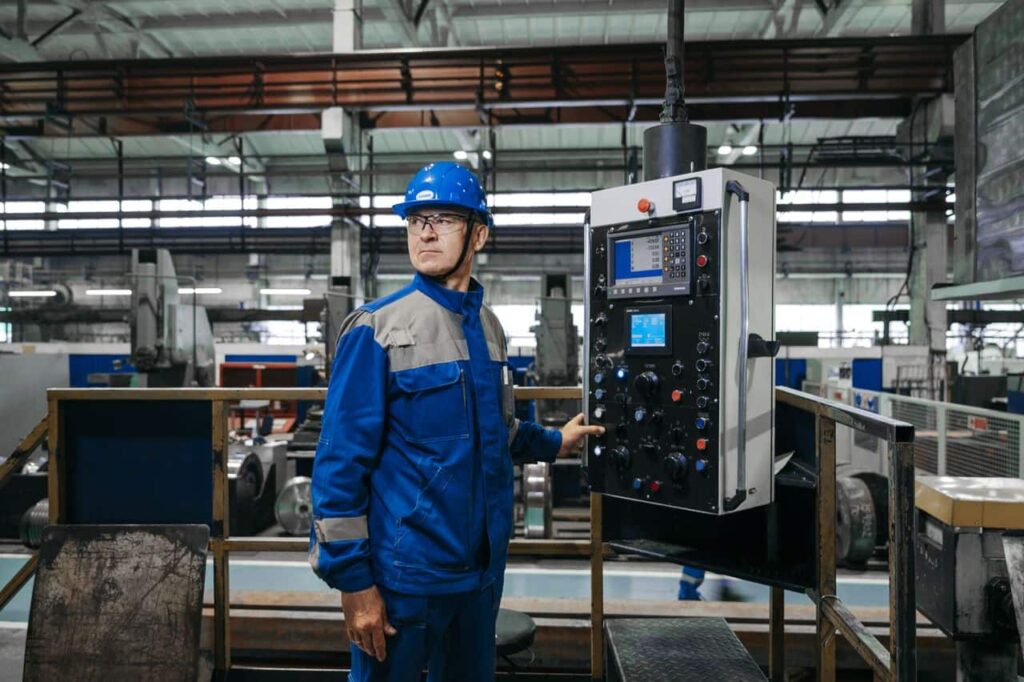
Manufacturing is entering a new era where success is no longer determined by production capacity alone. The factories that will lead the future are those that can innovate quickly while maintaining strong operational discipline. New technologies such as artificial intelligence (AI), robotics, automation, digital twins, and the Industrial Internet of Things (IIoT) are transforming how products are designed, produced, and delivered. At the same time, manufacturers must continue to meet strict quality standards, manage costs, ensure workplace safety, and maintain reliable supply chains.
Innovation without discipline often leads to wasted investments and inconsistent results. On the other hand, discipline without innovation can leave businesses struggling to compete in a rapidly changing market. The future belongs to organizations that successfully combine both. By creating a culture where creativity is supported by structured processes, manufacturers can improve efficiency, increase resilience, and deliver greater value to customers.
Innovation Is Reshaping Manufacturing
The manufacturing industry has embraced technology at an unprecedented pace. Smart factories now use connected machines that collect real-time data, allowing managers to monitor production from anywhere. AI helps predict equipment failures before they occur, reducing costly downtime. Robots perform repetitive tasks with high precision, while human workers focus on problem-solving and higher-value activities.
Advanced manufacturing technologies also allow companies to produce customized products faster than ever before. Instead of relying on mass production alone, manufacturers can now respond to changing customer demands with greater flexibility. Digital design tools, additive manufacturing, and automated production lines make it possible to create smaller production batches without sacrificing efficiency.
Innovation also extends beyond the factory floor. Cloud-based systems improve collaboration between suppliers, manufacturers, and customers. Data analytics provide valuable insights into inventory management, production planning, and market trends. These technologies help businesses make better decisions while improving speed and accuracy.
However, adopting technology alone does not guarantee success. Organizations need structured implementation strategies to ensure these innovations deliver measurable business value.
Discipline Creates Sustainable Growth
While innovation attracts attention, discipline creates long-term success. Manufacturing has always depended on consistency, quality control, and process improvement. These principles remain just as important in the digital age.
Operational discipline ensures that every production process follows established standards. Employees understand their responsibilities, quality checks are performed consistently, and equipment is maintained according to schedule. This reduces defects, improves customer satisfaction, and lowers operational costs. Efficient material handling also plays a key role in maintaining operational discipline. Using reliable stock trolleys helps manufacturers move materials safely between workstations, reducing unnecessary manual handling, minimizing delays, and supporting smoother production workflows.
Discipline also plays a critical role in project management. Many companies invest heavily in new technologies but fail to achieve expected returns because they lack proper planning, employee training, or performance measurement. Successful manufacturers carefully evaluate new technologies, set realistic objectives, monitor progress, and continuously improve implementation strategies.
Financial discipline is equally important. Organizations should prioritize investments that align with their long-term business goals rather than adopting every emerging technology simply because it is new. Careful budgeting, return-on-investment analysis, and strategic planning help companies innovate responsibly.
Building a Culture That Balances Both
Combining innovation with discipline starts with organizational culture. Leaders must encourage employees to think creatively while maintaining accountability and operational excellence.
Employees should feel comfortable proposing new ideas and experimenting with improvements. At the same time, innovation should follow structured evaluation processes to minimize unnecessary risks. Pilot projects, testing phases, and performance reviews allow organizations to validate new solutions before large-scale implementation.
Cross-functional collaboration also strengthens this balance. Engineering teams, production managers, IT specialists, quality assurance professionals, and supply chain experts should work together when implementing new technologies. This collaboration ensures that innovation supports practical operational needs rather than creating additional complexity.
Leadership plays a major role in setting this example. Managers who communicate clear goals, encourage continuous learning, and reward both creativity and execution build stronger, more adaptable organizations.
The Human Workforce Remains Essential
Despite rapid automation, people remain the most valuable asset in manufacturing. Technology enhances human capabilities rather than replacing them entirely.
Workers are increasingly responsible for managing automated systems, interpreting data, solving complex problems, and improving production processes. This shift requires ongoing investment in employee training and skill development.
Manufacturers that encourage continuous learning create more resilient workforces. Employees who understand both traditional manufacturing principles and digital technologies are better equipped to adapt to future changes.
Soft skills are becoming increasingly valuable as well. Communication, teamwork, leadership, critical thinking, and adaptability help organizations respond more effectively to new challenges. Companies that invest in both technical and professional development create stronger teams capable of driving sustainable innovation.
Data-Driven Decision Making
Modern manufacturing generates enormous amounts of data. Machines, sensors, production systems, and supply chain platforms continuously collect valuable information. Organizations that use this data effectively gain a significant competitive advantage.
Data analytics helps manufacturers identify production bottlenecks, improve product quality, reduce waste, and optimize inventory levels. Predictive maintenance minimizes equipment failures, while AI-powered forecasting improves demand planning.
However, collecting data is only the first step. Organizations need disciplined data governance to ensure information is accurate, secure, and accessible. Standardized reporting, cybersecurity measures, and consistent performance metrics enable leaders to make informed decisions with confidence.
A disciplined approach to data management ensures that innovation is supported by reliable information rather than assumptions.
Resilience Through Continuous Improvement
Recent global disruptions have highlighted the importance of resilient manufacturing operations. Supply chain challenges, geopolitical uncertainty, labor shortages, and changing customer expectations require organizations to remain flexible.
Companies that combine innovation with disciplined planning recover more quickly from disruptions. They diversify suppliers, strengthen inventory strategies, automate critical processes, and use predictive analytics to identify potential risks before they escalate.
Continuous improvement remains one of the most effective strategies for long-term resilience. Rather than viewing transformation as a one-time project, successful manufacturers constantly evaluate performance, gather employee feedback, and refine processes.
Lean manufacturing principles, Six Sigma methodologies, and digital performance monitoring work together to create organizations that continuously evolve while maintaining operational stability.
Sustainability Requires Both Innovation and Discipline
Sustainability has become a strategic priority across the manufacturing sector. Customers, investors, and regulators increasingly expect businesses to reduce environmental impact while maintaining profitability.
Innovative technologies help manufacturers lower energy consumption, reduce emissions, recycle materials, and optimize resource usage. Smart energy management systems, renewable energy integration, and AI-driven production scheduling contribute to more sustainable operations.
However, achieving sustainability goals requires disciplined execution. Companies must establish measurable environmental targets, monitor progress consistently, comply with regulations, and report performance transparently. Without structured management, sustainability initiatives often fail to deliver meaningful results.
Organizations that integrate sustainability into daily operations strengthen both their environmental responsibility and long-term competitiveness.
Preparing for the Next Generation of Manufacturing
The future of manufacturing will be defined by intelligent factories, connected ecosystems, and increasingly autonomous operations. AI will become more integrated into decision-making, collaborative robots will work alongside employees, and digital twins will simulate production environments before physical changes are made.
As these technologies mature, competitive advantage will depend less on simply owning advanced equipment and more on how effectively organizations integrate technology into disciplined operational frameworks.
Manufacturers must remain committed to lifelong learning, strategic investment, operational excellence, and continuous innovation. Success will come from balancing speed with stability, creativity with accountability, and technological advancement with strong leadership.
Conclusion
Manufacturing has always evolved through innovation, but the pace of change today is faster than ever before. Organizations that focus only on adopting new technologies risk losing control of their operations, while those that resist change may struggle to remain competitive.
The manufacturers that will lead the future are those that successfully combine bold innovation with disciplined execution. They invest in people as much as technology, use data to guide decisions, build resilient operations, and continuously improve every aspect of their business.
Innovation creates new opportunities, while discipline transforms those opportunities into lasting success. Together, they form the foundation of modern manufacturing excellence, enabling organizations to compete, grow, and thrive in an increasingly connected and dynamic global economy.