
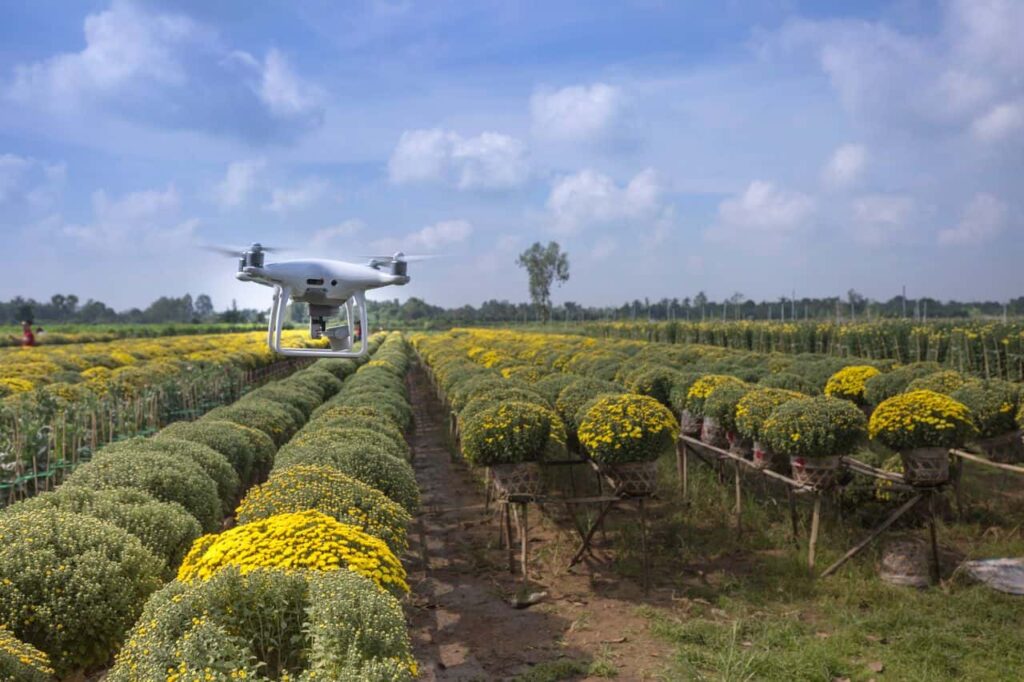
Agriculture is evolving rapidly as digital technologies become an essential part of farming operations. In 2026, smart agriculture is no longer limited to large commercial farms. Farmers of all sizes are adopting advanced tools to improve productivity, reduce costs, conserve natural resources, and respond to changing climate conditions. Technologies such as Artificial Intelligence (AI), the Internet of Things (IoT), drones, robotics, satellite imaging, and data analytics are transforming traditional farming into a connected and intelligent ecosystem.
As the global population continues to rise, the demand for food is increasing while farmland, water, and labor remain limited. Smart agriculture offers practical solutions by helping farmers make informed decisions based on real-time data rather than assumptions. The result is higher crop yields, better resource management, and more sustainable farming practices.
Here are the major smart agriculture trends shaping farming in 2026.
AI-Powered Decision Making
Artificial Intelligence has become one of the most valuable technologies in agriculture. AI systems analyze massive amounts of information collected from farms, including soil conditions, weather forecasts, crop growth, machinery performance, and historical farming data.
Instead of relying only on experience, farmers now receive AI-generated recommendations on:
- Best planting times
- Fertilizer requirements
- Irrigation schedules
- Pest management
- Harvest planning
These intelligent insights help improve productivity while reducing unnecessary expenses. AI also identifies patterns that humans may overlook, enabling farmers to solve problems before they become serious.
Precision Farming Continues to Grow
Precision farming remains one of the fastest-growing trends in agriculture.
Modern farms use GPS technology, sensors, drones, and AI to treat every section of a field differently based on its unique needs. Rather than applying the same amount of fertilizer or water across an entire farm, precision agriculture delivers resources exactly where they are required.
This approach offers several advantages:
- Reduced input costs
- Higher crop yields
- Better soil health
- Lower environmental impact
- Improved resource efficiency
Precision farming helps maximize production while minimizing waste, making it both profitable and sustainable.
Smart Irrigation Systems
Water scarcity continues to affect agriculture in many parts of the world. In response, smart irrigation technologies are becoming more advanced in 2026.
Sensors placed in fields continuously measure soil moisture levels, while AI analyzes weather forecasts and crop requirements. Irrigation systems automatically provide the correct amount of water at the right time.
Benefits include:
- Lower water consumption
- Reduced energy costs
- Healthier crops
- Improved drought management
- Increased productivity
Efficient water management has become a critical factor in ensuring long-term agricultural sustainability.
Agricultural Drones Become Essential
Drones have moved beyond experimental technology and are now a standard tool on many farms.
Equipped with high-resolution cameras and multispectral imaging systems, drones provide valuable information about crop health, soil conditions, irrigation efficiency, and pest infestations.
Farmers use drones for:
- Crop monitoring
- Disease detection
- Field mapping
- Fertilizer application
- Precision spraying
- Livestock monitoring
Drone technology saves time, reduces labor, and allows farmers to inspect large areas quickly without physically walking through every field.
Robotics Addresses Labor Shortages
Labor shortages continue to challenge agriculture worldwide. Smart farming increasingly relies on robotics to automate repetitive and labor-intensive tasks.
AI-powered agricultural robots can:
- Plant seeds
- Harvest fruits and vegetables
- Remove weeds
- Sort produce
- Apply pesticides precisely
These machines operate with high accuracy while reducing human workload. Advanced computer vision enables robots to identify crops, avoid obstacles, and perform delicate harvesting tasks without damaging produce.
As robotics technology becomes more affordable, adoption is expected to expand significantly.
Internet of Things (IoT) Connects Farms
The Internet of Things is making farms more connected than ever.
Smart sensors installed across fields, greenhouses, and livestock facilities collect real-time information about:
- Soil moisture
- Temperature
- Humidity
- Crop growth
- Animal health
- Equipment performance
This information is automatically transmitted to cloud-based platforms where farmers can monitor their operations using smartphones or computers.
Real-time monitoring enables faster decision-making while reducing unnecessary field visits.
Satellite Imaging Supports Better Farming
Satellite technology is becoming increasingly accessible to farmers.
Modern satellite imagery provides detailed information about vegetation health, water availability, soil conditions, and crop development throughout the growing season.
Combined with AI analytics, satellite data helps farmers identify:
- Areas experiencing water stress
- Nutrient deficiencies
- Disease outbreaks
- Uneven crop growth
- Harvest readiness
Remote monitoring allows farmers to manage large agricultural operations efficiently while reducing inspection costs.
Climate-Smart Agriculture Gains Importance
Climate change continues to influence farming practices around the world.
Extreme weather events, changing rainfall patterns, and rising temperatures require farmers to adopt climate-smart solutions.
Digital agriculture helps farmers respond by providing:
- Advanced weather forecasting
- Drought prediction
- Flood risk monitoring
- Heat stress analysis
- Crop adaptation recommendations
These technologies improve resilience and reduce the impact of climate-related risks on agricultural production.
Livestock Farming Becomes More Intelligent
Smart agriculture extends beyond crop production.
Livestock farms now use wearable sensors, GPS tracking devices, and AI monitoring systems to improve animal welfare and productivity.
These technologies monitor:
- Body temperature
- Feeding behavior
- Movement patterns
- Heart rate
- Reproductive cycles
AI alerts farmers when animals show early signs of illness, allowing prompt treatment before diseases spread.
Improved livestock monitoring increases productivity while reducing veterinary expenses.
Digital Marketplaces Expand Opportunities
Technology is transforming not only farming but also agricultural marketing.
Digital platforms connect farmers directly with buyers, retailers, exporters, and consumers. These marketplaces improve price transparency while reducing dependence on intermediaries.
Farmers can:
- Compare market prices
- Sell products online
- Track deliveries
- Receive digital payments
- Access financial services
This digital transformation improves profitability and creates new business opportunities for agricultural producers.
Sustainable Farming Takes Center Stage
Environmental sustainability remains one of the strongest trends shaping agriculture in 2026.
Consumers increasingly prefer food produced using environmentally responsible methods. Governments are also encouraging sustainable farming through various initiatives.
Smart technologies support sustainability by:
- Reducing chemical usage
- Conserving water
- Lowering fuel consumption
- Improving soil management
- Minimizing greenhouse gas emissions
Technology enables farmers to produce more food while protecting ecosystems and natural resources.
Predictive Analytics Improves Farm Planning
Predictive analytics combines AI with historical farming data to forecast future outcomes.
Farmers can estimate:
- Crop yields
- Market demand
- Weather risks
- Pest outbreaks
- Equipment maintenance needs
This allows better planning throughout the farming cycle, reducing uncertainty and improving financial decision-making.
Instead of reacting to problems after they occur, farmers can prepare in advance.
Autonomous Machinery Enters the Mainstream
Autonomous tractors and self-driving agricultural equipment are becoming increasingly practical.
These machines use GPS, cameras, AI, and advanced sensors to perform field operations with minimal human intervention.
Autonomous equipment improves:
- Field accuracy
- Fuel efficiency
- Labor productivity
- Operational consistency
Although widespread adoption is still developing, autonomous farming represents one of the most exciting directions for agriculture.
Challenges to Smart Agriculture Adoption
Despite rapid technological progress, several challenges remain.
Many small and medium-sized farms face barriers such as:
- High technology costs
- Limited internet connectivity
- Lack of technical training
- Data security concerns
- Equipment maintenance expenses
Governments, agricultural organizations, and technology providers continue working to improve accessibility through training programs, financial support, and affordable digital solutions.
Greater collaboration will help ensure that farmers of all sizes can benefit from smart agriculture.
The Road Ahead
Smart agriculture will continue evolving as technologies become more advanced and affordable. Artificial Intelligence, robotics, IoT, biotechnology, satellite monitoring, and automation are expected to work together in highly integrated farming systems.
Future farms may rely on autonomous machinery, digital twins, advanced climate modeling, and AI-powered assistants capable of making real-time recommendations based on changing field conditions.
These innovations will improve food security while making agriculture more productive, profitable, and environmentally responsible.
Conclusion
Smart agriculture is reshaping farming in 2026 by combining technology with practical farming knowledge. AI, precision farming, drones, robotics, IoT, satellite imaging, and predictive analytics are helping farmers improve efficiency, reduce waste, and respond to climate challenges with greater confidence.
While challenges such as cost and digital infrastructure remain, the benefits of smart agriculture continue to drive widespread adoption across the world. As innovation accelerates, modern farming will become increasingly connected, sustainable, and resilient, ensuring that agriculture can meet the growing needs of future generations while protecting valuable natural resources.