
Generative Artificial Intelligence (Generative AI) is rapidly transforming the way businesses operate, innovate, and create value. Unlike traditional AI systems that primarily analyze data and make predictions, Generative AI can create new content, generate ideas, produce text, images, videos, code, and even assist in complex decision-making processes. As organizations across industries seek greater efficiency and competitiveness, Generative AI has emerged as a powerful tool with the potential to reshape business operations and customer experiences.
The growing adoption of Generative AI is driven by advances in machine learning, natural language processing, and large language models. These technologies enable AI systems to understand context, generate human-like responses, and assist with a wide range of business tasks. From customer service and marketing to product development and knowledge management, Generative AI is becoming an important component of modern business strategies.
One of the most significant applications of Generative AI is in content creation. Businesses continuously need content for websites, social media platforms, marketing campaigns, product descriptions, newsletters, and internal communications. Generative AI can help create high-quality drafts in a fraction of the time required through traditional methods. Marketing teams can use AI to generate campaign ideas, personalize messaging, and create content tailored to different audience segments. This allows organizations to maintain consistent communication while improving efficiency and reducing production costs.
Customer service is another area where Generative AI is delivering substantial value. AI-powered chatbots and virtual assistants can provide instant responses to customer inquiries, answer frequently asked questions, and guide users through common processes. These tools operate around the clock, improving customer support availability and reducing response times. By handling routine requests, Generative AI allows human agents to focus on more complex issues that require empathy, judgment, and specialized expertise.
Personalization has become a major priority for businesses, and Generative AI plays a key role in achieving it. Modern consumers expect experiences tailored to their preferences, behaviors, and needs. Generative AI can analyze customer data and generate personalized recommendations, communications, and offers. Whether recommending products, customizing marketing messages, or creating individualized customer journeys, AI helps businesses deliver more relevant experiences that increase engagement and satisfaction.
Sales teams are also benefiting from Generative AI technologies. AI can assist in drafting sales proposals, creating presentations, generating prospecting emails, and summarizing customer interactions. By automating administrative and content-related tasks, sales professionals can spend more time building relationships and understanding customer needs. AI-generated insights can also help identify opportunities, prioritize leads, and improve overall sales effectiveness.
Human resources departments are increasingly using Generative AI to streamline recruitment and employee engagement processes. AI can assist in drafting job descriptions, screening applications, generating interview questions, and creating onboarding materials. Additionally, organizations can use AI-powered tools to develop training content and learning resources that support employee development. These applications improve efficiency while helping HR teams focus on strategic workforce initiatives.
Knowledge management is another valuable business application of Generative AI. Large organizations often struggle with information overload and fragmented knowledge across departments. Generative AI can organize information, summarize documents, answer employee questions, and provide quick access to relevant resources. This capability improves productivity by reducing the time employees spend searching for information and enables faster decision-making across the organization.
Product development and innovation are also being enhanced by Generative AI. Businesses can use AI to generate design concepts, explore product ideas, and accelerate research and development activities. In industries such as manufacturing, technology, healthcare, and consumer goods, AI can help teams identify opportunities, test concepts, and develop solutions more efficiently. By supporting creativity and experimentation, Generative AI becomes a valuable partner in the innovation process.
Software development has experienced significant benefits from AI-assisted coding tools. Generative AI can help developers write code, identify errors, suggest improvements, and automate repetitive programming tasks. This support can increase development speed, improve code quality, and reduce time-to-market for new products and services. As a result, organizations can respond more quickly to changing market demands and customer expectations.
Financial services organizations are leveraging Generative AI for reporting, analysis, and customer engagement. AI can generate financial summaries, prepare reports, analyze trends, and assist with compliance documentation. Financial professionals can use AI-generated insights to support strategic planning and operational decision-making. However, human oversight remains critical to ensure accuracy, regulatory compliance, and responsible use of financial information.
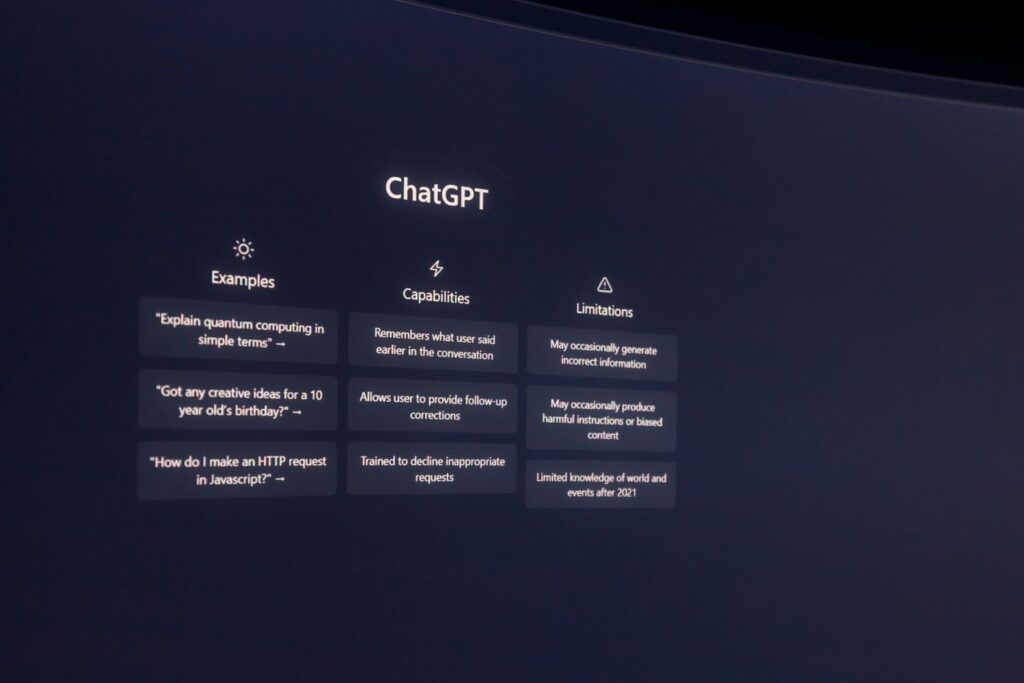
Despite its numerous advantages, Generative AI also presents challenges that businesses must address. Accuracy remains an important concern, as AI systems can sometimes generate incorrect or misleading information. Organizations should establish verification processes and maintain human review mechanisms, particularly when AI-generated content influences important decisions or customer communications. Responsible implementation requires balancing automation with appropriate oversight.
Data privacy and security are equally important considerations. Businesses often work with sensitive customer, employee, and organizational information. When implementing Generative AI solutions, organizations must ensure compliance with data protection regulations and establish clear governance frameworks. Protecting confidential information is essential for maintaining trust and reducing operational risks.
Ethical considerations are becoming increasingly relevant as AI adoption expands. Organizations must address issues related to bias, transparency, accountability, and fairness. AI systems should be monitored regularly to ensure that outputs align with organizational values and ethical standards. Businesses that prioritize responsible AI practices are more likely to earn stakeholder trust and maintain long-term credibility.
Successful implementation of Generative AI requires more than simply adopting new technology. Organizations must invest in employee education and digital skills development. Employees need to understand how to work effectively alongside AI systems and leverage their capabilities responsibly. Training programs can help teams maximize the benefits of AI while minimizing potential risks.
Leadership also plays a critical role in AI adoption. Business leaders must establish clear objectives, identify high-value use cases, and create governance structures that support responsible innovation. Organizations that approach AI strategically are better positioned to achieve measurable business outcomes and sustainable competitive advantages.
Looking ahead, Generative AI is expected to become even more integrated into everyday business operations. Advances in multimodal AI, automation, and intelligent decision support systems will create new opportunities for efficiency, creativity, and growth. Businesses that embrace these technologies thoughtfully and responsibly will be better prepared to compete in an increasingly digital economy.
In conclusion, Generative AI is transforming business applications across virtually every industry. From content creation and customer service to innovation and knowledge management, its potential to improve productivity and enhance customer experiences is substantial. While challenges related to accuracy, privacy, and ethics must be carefully managed, the opportunities are significant. Organizations that successfully combine technological innovation with human expertise will be best positioned to unlock the full value of Generative AI and drive future business success.