
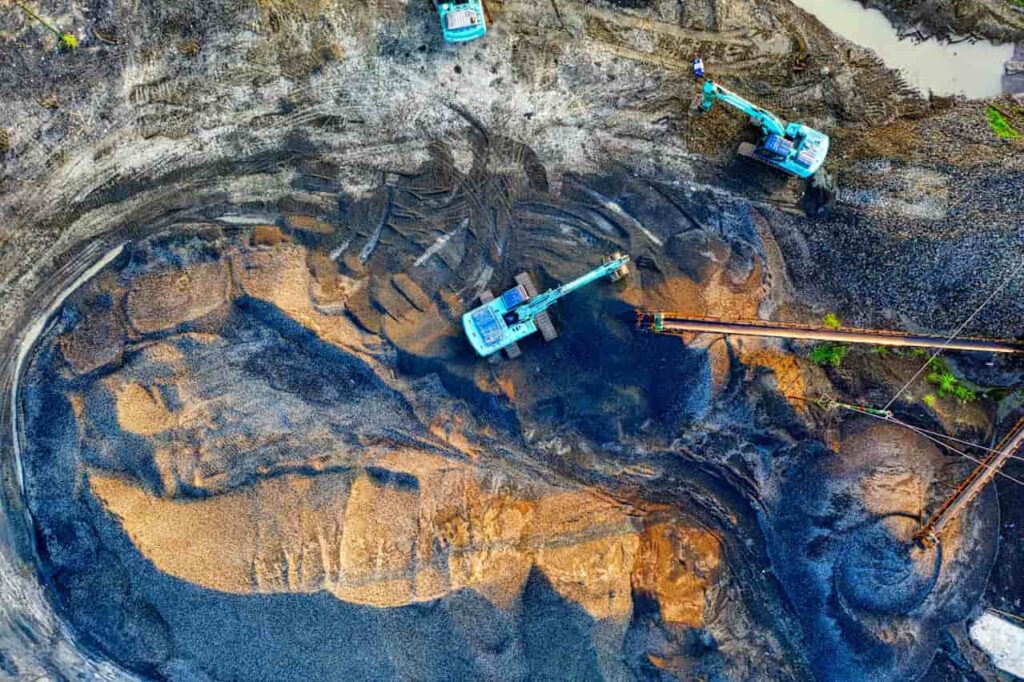
Mining is one of the most complex industries in the world. It brings together geology, engineering, finance, technology, environmental responsibility, safety, logistics, government regulations, and community relations. A mining project may look simple from the outside – finding minerals, extracting them, and selling them. But in reality, every successful mining operation depends on thousands of decisions made with accuracy, patience, and deep understanding. Success in mining comes from understanding details and managing complexity.
The first layer of complexity begins with geology. Every mineral deposit is different. The quality, size, depth, shape, and location of an ore body can change from one area to another. Even within the same mine, the grade of minerals may vary across different zones. This means that mining companies cannot rely on assumptions. They need detailed exploration, drilling, sampling, mapping, and analysis before making major decisions. A small error in understanding the geology can affect the entire project. It can lead to wrong production estimates, higher costs, lower recovery, and financial losses.
Understanding these geological details helps companies decide whether a project is technically and economically viable. They must know how much mineral is available, how difficult it is to extract, what processing method is needed, and how long the mine can operate. These details form the foundation of mine planning. Without accurate data, even a well-funded project can fail. In mining, the ground itself is the first source of both opportunity and risk.
Once the geology is understood, the next challenge is mine design and engineering. Mining operations must decide whether to use open-pit mining, underground mining, or a combination of both. This decision depends on the depth of the deposit, the strength of the rock, safety risks, cost, equipment needs, and environmental impact. Engineers must design haul roads, tunnels, ventilation systems, drainage systems, waste dumps, processing plants, tailings facilities, and power supply systems. Each part must work with the others. If one system fails, the entire operation can be affected.
For example, poor road design can slow down haul trucks and increase fuel costs. Weak ventilation in underground mines can create unsafe working conditions. Poor drainage can lead to flooding and production delays. A badly designed processing plant can reduce mineral recovery and waste valuable resources. These examples show why details matter. Mining is not only about extracting material. It is about designing a complete system where every element supports safe, efficient, and profitable production.
Operational management adds another level of complexity. A mine runs through many moving parts every day. Equipment must be maintained, workers must be scheduled, explosives must be handled safely, ore must be transported, plants must operate continuously, and quality must be monitored. Any delay can affect production targets. A broken truck, a blocked conveyor, a power outage, or a shortage of spare parts can reduce output and increase costs. Successful mining companies use strong planning systems, preventive maintenance, digital monitoring, and clear communication to keep operations stable.
Cost control is also a major factor in mining success. Mining projects require large capital investment and long payback periods. Costs can rise due to fuel prices, labour expenses, equipment breakdowns, lower ore grades, weather disruptions, currency changes, or regulatory delays. Since commodity prices often fluctuate, companies must manage costs carefully to remain profitable during both strong and weak market cycles. This requires detailed budgeting, forecasting, procurement planning, and financial discipline. A profitable mine is not only one with rich minerals, but one that can manage costs across the full life of the project.
Safety is another area where details cannot be ignored. Mining involves heavy machinery, explosives, underground spaces, high walls, dust, noise, chemicals, and unstable ground conditions. A small mistake can lead to serious injury, loss of life, equipment damage, or shutdowns. Successful mining operations build a strong safety culture through training, supervision, risk assessment, emergency planning, and continuous monitoring. Safety is not a separate activity. It is part of every decision, from mine design to daily operations.
Environmental management has also become central to mining success. Modern mining companies must manage water, land, air quality, biodiversity, waste, and emissions. They must prevent pollution, reduce their carbon footprint, protect ecosystems, and plan for mine closure. Tailings management, in particular, requires high technical discipline because failure can cause major environmental and social damage. Companies that ignore environmental details face legal penalties, community opposition, reputational damage, and project delays. In today’s world, environmental responsibility is directly linked to business continuity.
Community relations are equally important. Mining operations often take place near villages, towns, Indigenous communities, farming areas, or sensitive cultural sites. Local people may be affected by land use, water use, dust, noise, traffic, employment opportunities, and economic changes. A company may have the legal right to mine, but it also needs social acceptance to operate smoothly. This is often called the social licence to operate. It is built through honest communication, local employment, fair compensation, grievance systems, community investment, and respect for local concerns. Managing these relationships requires patience and consistency.
Regulatory compliance adds another layer of complexity. Mining companies must follow laws related to land rights, environmental permits, labour standards, safety, taxation, exports, explosives, water use, and rehabilitation. These rules can vary across countries, states, and regions. A delay in one permit can affect the entire project timeline. Successful companies maintain strong compliance systems and work closely with regulators. They understand that mining is not only a technical business, but also a highly regulated one.
Technology is helping companies manage this complexity more effectively. Digital tools such as drones, sensors, automation, artificial intelligence, fleet management systems, and real-time data dashboards are changing the way mines operate. These tools help companies track equipment performance, monitor ore quality, improve safety, reduce waste, and make faster decisions. However, technology is useful only when people understand the data and apply it correctly. The value of technology lies not just in collecting information, but in turning information into better decisions.
Supply chain management is another critical area. A mine depends on fuel, explosives, spare parts, tyres, chemicals, machinery, skilled workers, transport routes, ports, and customers. Many mines are located in remote areas where logistics are difficult. A delay in receiving one important part can stop production. Successful mining companies build reliable supplier networks, maintain inventory discipline, and plan for disruptions. In mining, logistics can be as important as geology.
Leadership plays a major role in bringing all these elements together. A mine needs leaders who can think technically, financially, socially, and strategically at the same time. They must understand the details without losing sight of the bigger picture. They must balance production targets with safety, cost control with long-term investment, and business goals with community and environmental responsibilities. Strong leadership helps teams work across departments and solve problems before they become major risks.
Another important part of mining success is long-term planning. A mine does not operate for a few weeks or months. Many mines run for decades. Decisions made in the early stages can affect future costs, closure responsibilities, and community relationships. Companies must think about the full mine life cycle – exploration, development, production, expansion, closure, and post-closure monitoring. This long-term view helps reduce risk and create lasting value.
Success in mining is rarely the result of one big decision. It usually comes from many small, disciplined decisions made over time. It comes from knowing the ore body, designing the right systems, maintaining equipment, protecting workers, managing water, controlling costs, respecting communities, following regulations, and adapting to market changes. Every detail matters because every detail is connected.
In conclusion, mining is a business of complexity. It requires technical skill, financial discipline, environmental care, social responsibility, and strong leadership. Companies that succeed are those that understand the details behind every process and manage the many risks that come with mining. In an industry where conditions can change quickly and mistakes can be costly, attention to detail is not optional. It is the foundation of safe, responsible, and profitable mining.