
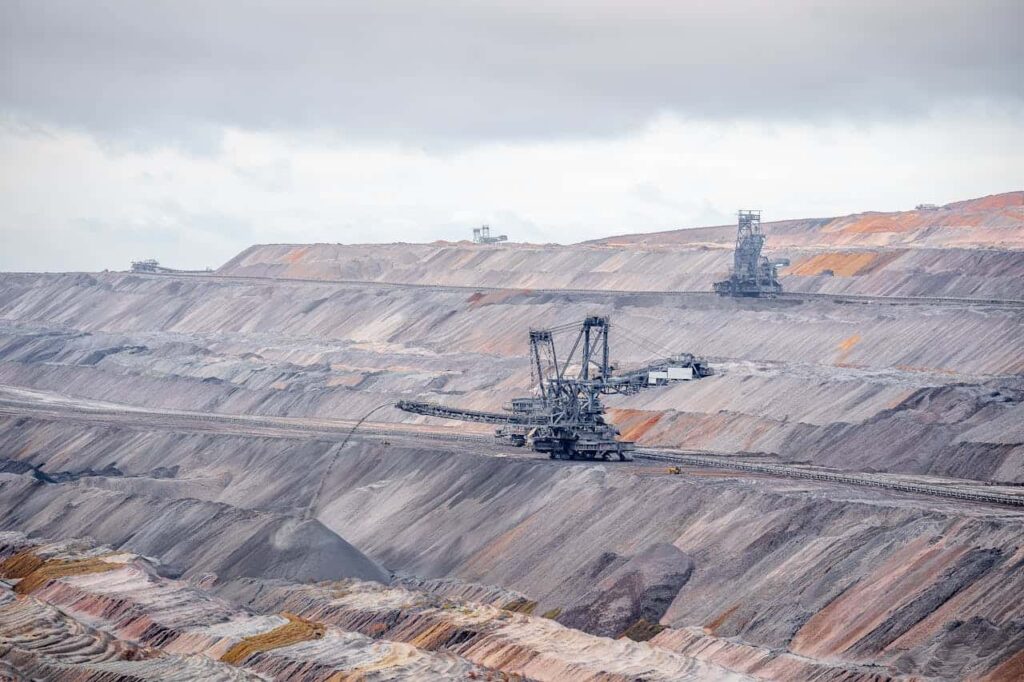
Mining has often been seen as an industry that affects land, water, forests, and communities. For many years, the sector was mainly judged by its environmental impact. However, the role of mining is changing. Today, mining operations are also becoming important contributors to sustainability efforts across the world. This change is driven by stronger regulations, investor expectations, community pressure, climate goals, and the rising demand for minerals needed for clean energy technologies.
Sustainability in mining does not mean that mining has no impact. Every mining activity changes the natural environment in some way. But responsible mining focuses on reducing harm, using resources more efficiently, restoring land, supporting communities, and helping the global shift toward a low-carbon future. When mining companies follow strong environmental, social, and governance practices, they can contribute meaningfully to sustainable development.
One of the most important ways mining supports sustainability is by providing the minerals needed for renewable energy and modern infrastructure. Solar panels, wind turbines, electric vehicles, batteries, power grids, and energy storage systems all depend on minerals. Copper is used in electrical wiring and renewable energy systems. Lithium, nickel, cobalt, and graphite are important for batteries. Rare earth elements are used in wind turbines, electronics, and clean technologies. Without mining, the world cannot build enough clean energy systems to reduce dependence on fossil fuels. In this way, mining plays a direct role in the global energy transition.
At the same time, responsible mining operations are working to reduce their own carbon footprint. Many mining companies are investing in renewable energy to power their sites. Solar farms, wind energy, hydroelectric power, and hybrid energy systems are increasingly being used at mines, especially in remote areas where diesel generators were once common. Some companies are also electrifying mining vehicles and equipment to reduce fuel consumption and emissions. By using cleaner energy and improving energy efficiency, mining operations can lower greenhouse gas emissions and support climate action.
Water management is another major area where mining contributes to sustainability. Mining requires water for processing minerals, controlling dust, and supporting operations. Poor water management can affect rivers, groundwater, agriculture, and nearby communities. To address this, many mines are adopting water recycling systems, closed-loop water circuits, rainwater harvesting, and advanced treatment technologies. These methods reduce freshwater use and prevent polluted water from entering the environment. In water-scarce regions, responsible water management is especially important because it protects both ecosystems and local livelihoods.
Land rehabilitation is also a key part of sustainable mining. In the past, many mines were abandoned after resources were extracted, leaving behind damaged land and unsafe sites. Today, better mining practices require companies to plan for mine closure from the beginning of a project. This includes restoring soil, planting native vegetation, reshaping landforms, protecting biodiversity, and making the land useful again after mining ends. Some former mining areas have been converted into forests, parks, agricultural land, lakes, renewable energy sites, or community spaces. Rehabilitation helps reduce the long-term environmental footprint of mining and supports ecological recovery.
Mining operations can also contribute to biodiversity protection. Although mining can disturb habitats, responsible companies now conduct environmental impact assessments before starting projects. These studies help identify sensitive ecosystems, endangered species, and areas that need protection. Mines can create biodiversity management plans, avoid critical habitats, establish conservation zones, and support reforestation programs. Some companies also follow the principle of no net loss or net positive impact, meaning they aim to restore or protect more biodiversity than they disturb. When done properly, mining can be planned in a way that reduces damage to nature and supports conservation.
Waste management is another important sustainability effort in mining. Mining produces large amounts of waste rock, tailings, and processing residues. If not managed carefully, these materials can create serious environmental risks. Sustainable mining operations use safer tailings storage systems, regular monitoring, dry stacking methods, and waste reuse strategies. Some mining waste can be used in construction materials, road building, cement production, or backfilling mined areas. By treating waste as a resource, mining companies can reduce pollution, lower storage risks, and support circular economy practices.
The circular economy is becoming increasingly relevant to mining. While mining extracts new resources from the earth, sustainable operations also support recycling, reuse, and resource efficiency. Companies are improving mineral recovery rates so that less ore is wasted. They are using technology to extract more value from lower-grade materials and old mine waste. Urban mining, which involves recovering metals from electronic waste and discarded products, is also growing. Although traditional mining will still be needed, circular practices can reduce pressure on natural resources and make mineral supply chains more sustainable.
Technology is helping mining become cleaner, safer, and more efficient. Digital monitoring systems, artificial intelligence, automation, drones, sensors, and satellite imaging are now used to track environmental performance, equipment efficiency, water quality, land movement, and emissions. These tools allow companies to detect problems early and respond quickly. Automation can also improve worker safety by reducing the need for people to work in dangerous underground or high-risk areas. Better data helps mining companies make smarter decisions and operate with greater transparency.
Mining also contributes to sustainability through local economic development. Mines often operate in rural or remote areas where employment opportunities may be limited. A responsible mining project can create jobs, support local suppliers, improve roads, strengthen infrastructure, and generate tax revenue for governments. When companies invest in local hiring, skills training, education, healthcare, and small business development, mining can improve quality of life in nearby communities. These benefits are strongest when communities are involved in decision-making and when economic gains continue beyond the life of the mine.
Community engagement is central to sustainable mining. Mining projects can affect people’s land, culture, water, health, and livelihoods. Therefore, companies must build trust through open communication, consultation, grievance mechanisms, and respect for local rights. In areas where Indigenous peoples or traditional communities live, responsible mining requires free, prior, and informed consent. This means communities should have a real voice before major decisions are made. Sustainable mining is not only about environmental performance – it is also about fairness, respect, and shared value.
Health and safety are also part of sustainability. Mining has historically been one of the more hazardous industries, but modern operations are investing heavily in safer systems. This includes better training, protective equipment, emergency response plans, dust control, ventilation, mental health support, and stronger safety cultures. A sustainable mining operation must protect workers as well as the environment. When companies reduce accidents, improve working conditions, and support employee wellbeing, they contribute to social sustainability.
Governance and transparency are equally important. Sustainability efforts are stronger when mining companies follow ethical business practices, comply with regulations, report their environmental and social performance, and prevent corruption. Many companies now publish sustainability reports, set emission reduction targets, follow international standards, and undergo third-party audits. Responsible sourcing programs also help customers know whether minerals were produced in a safe, legal, and ethical way. Strong governance builds confidence among investors, governments, communities, and consumers.
Mining operations also support sustainability by helping build resilient supply chains. As the world moves toward clean energy, demand for critical minerals is rising quickly. Countries and industries need reliable access to these minerals to manufacture batteries, electric vehicles, renewable energy systems, electronics, and defense technologies. Responsible mining can reduce dependence on unstable or unethical supply chains. When minerals are sourced with strong environmental and social standards, they support both economic security and sustainable development.
However, it is important to recognize that mining’s contribution to sustainability depends on how operations are managed. Poorly planned mining can still cause deforestation, pollution, displacement, unsafe working conditions, and social conflict. Sustainability cannot be used only as a public relations message. It must be supported by measurable action, transparent reporting, community participation, and long-term accountability. Governments, investors, companies, and civil society all have a role in ensuring that mining operations meet high standards.
The future of sustainable mining will likely depend on deeper collaboration. Mining companies will need to work with governments, technology providers, local communities, environmental experts, and customers. They will need to reduce emissions, protect water, restore land, improve safety, respect human rights, and invest in innovation. At the same time, society must understand that the clean energy transition requires minerals, and those minerals must come from somewhere. The goal should not be to stop all mining, but to ensure that mining is done responsibly, efficiently, and ethically.
In conclusion, mining operations can contribute to sustainability efforts in many ways. They provide the essential minerals needed for clean energy technologies, improve resource efficiency, reduce emissions, manage water responsibly, rehabilitate land, protect biodiversity, support local communities, and strengthen ethical supply chains. While mining will always have environmental and social impacts, responsible operations can reduce these impacts and create long-term value. As the world moves toward a more sustainable future, mining must continue to evolve from a purely extractive industry into a responsible partner in global development.