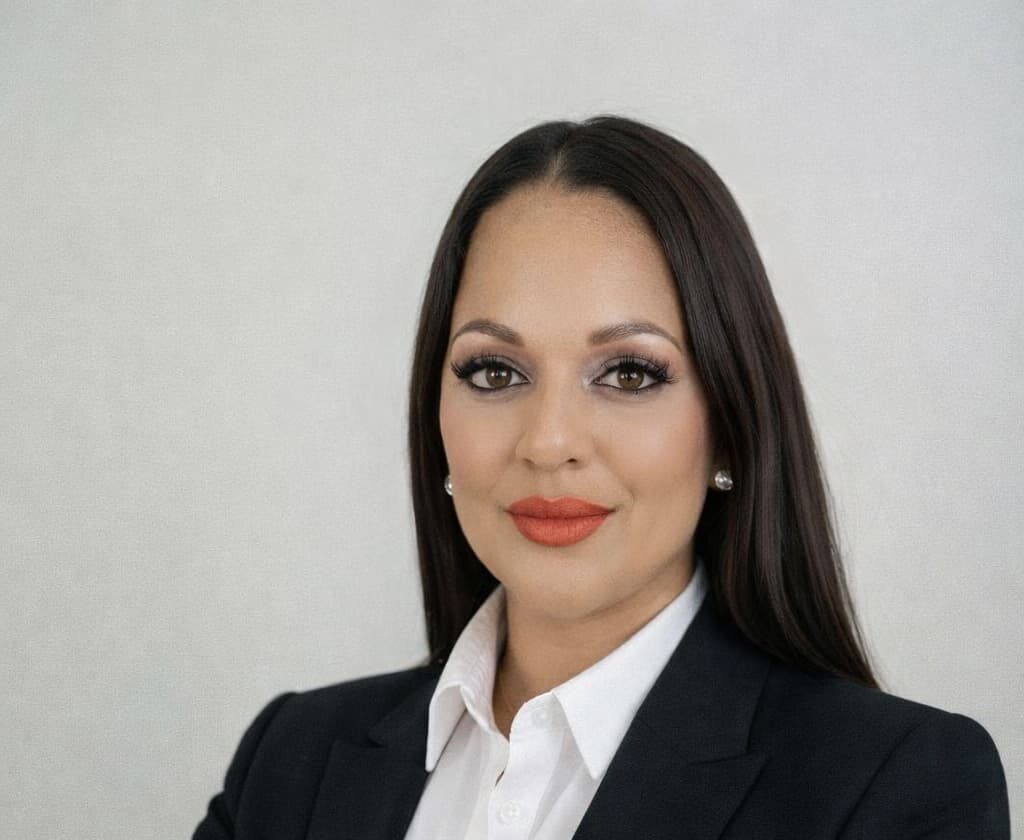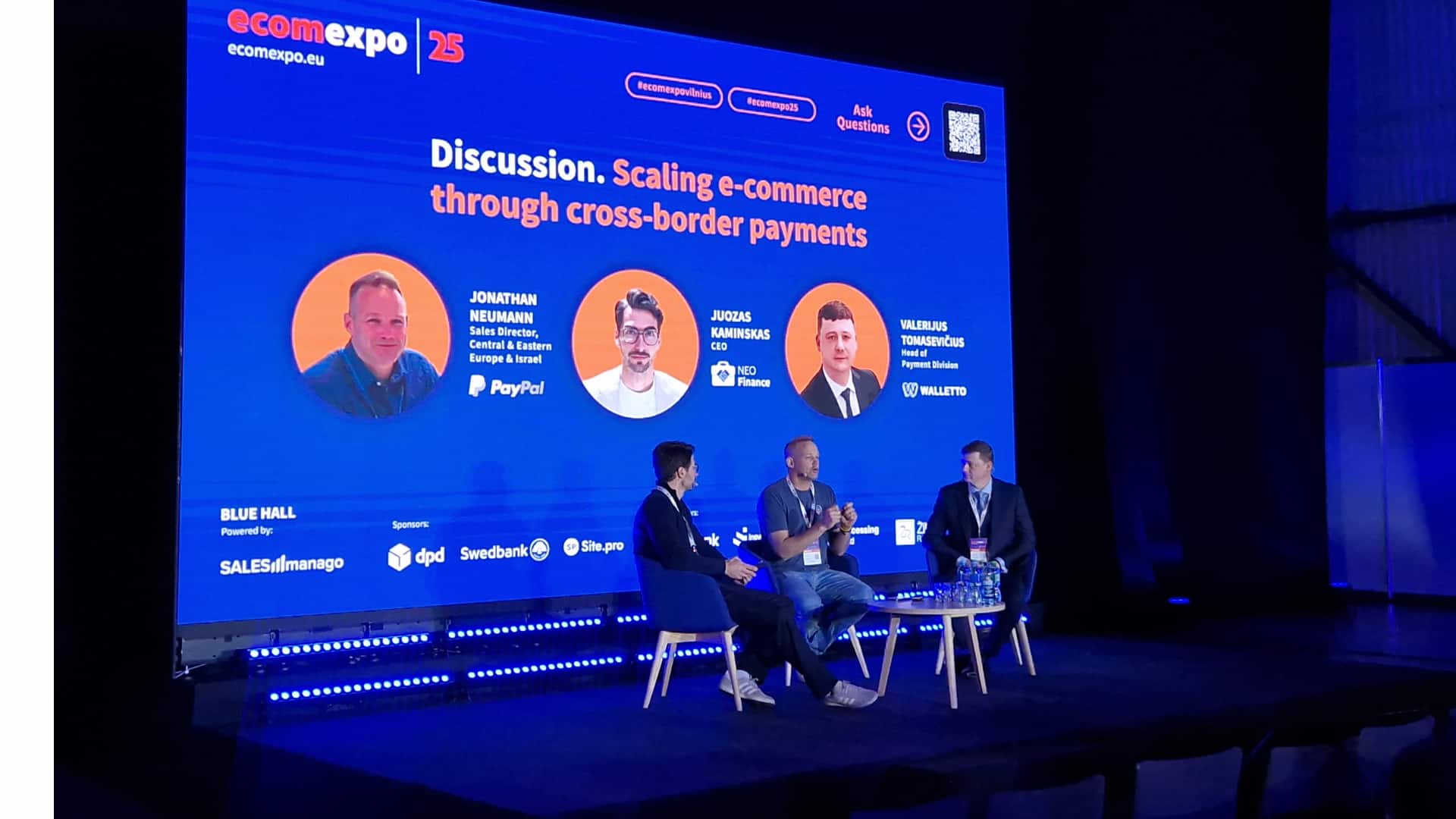

The construction consulting industry has long been associated with technical complexity, large-scale execution, and high-stakes decision-making. Traditionally dominated by men, it is now undergoing a meaningful transformation as more women step into leadership roles and redefine what effective consulting looks like. A woman in the construction consulting industry today is not just contributing to projects – she is shaping how infrastructure is designed, delivered, and sustained for the future.
Construction consulting sits at the core of infrastructure development. It involves advisory across project planning, procurement, cost management, risk assessment, compliance, and execution strategy. Within this environment, women are bringing a multidimensional approach that combines technical expertise with strategic clarity and stakeholder alignment. Their presence is influencing not only outcomes, but also the way decisions are made.
One of the defining strengths women bring to construction consulting is their ability to integrate technical precision with collaborative leadership. Infrastructure projects involve a wide network of stakeholders – government bodies, contractors, engineers, financial institutions, and communities. Navigating these relationships requires more than technical knowledge. It requires communication, negotiation, and the ability to align diverse interests toward a shared objective. Women in consulting are excelling in this space by building trust and ensuring that every voice within the project ecosystem is understood and considered.
Another area where women are making a significant impact is in procurement strategy and governance. Construction projects are often challenged by cost overruns, delays, and inefficiencies. Effective procurement and transparent processes are critical to mitigating these risks. Women consultants are driving accountability by implementing structured frameworks, ensuring compliance, and introducing systems that improve efficiency without compromising quality. Their approach often focuses on long-term value rather than short-term gains, which is essential in infrastructure development.
Workforce development is also becoming a key area of influence. The construction industry faces ongoing challenges related to skilled labor shortages and workforce diversity. Women in consulting are actively working to bridge this gap by designing training programs, promoting inclusive hiring practices, and creating pathways for underrepresented groups. Their efforts are not only addressing immediate workforce needs but are also contributing to a more sustainable and equitable industry.
Sustainability and environmental responsibility have become central to modern construction. Projects are no longer evaluated solely on cost and timeline. They are assessed based on their environmental impact, resource efficiency, and long-term viability. Women consultants are playing a crucial role in integrating sustainability into project strategies. They are advocating for greener materials, energy-efficient systems, and practices that reduce environmental impact. Their perspective often brings a broader understanding of how infrastructure interacts with communities and ecosystems.
Despite these advancements, challenges remain. Women in construction consulting still navigate barriers such as limited representation in senior roles, unconscious bias, and the need to constantly prove credibility in high-stakes environments. However, these challenges are also driving resilience and innovation. Women are building strong professional networks, mentoring the next generation, and creating spaces where more inclusive leadership can thrive.
Technology is further reshaping the industry, and women are actively contributing to this transformation. From digital project management tools and data analytics to Building Information Modeling (BIM) and automation, construction consulting is becoming increasingly data-driven. Women leaders are embracing these tools to enhance decision-making, improve efficiency, and deliver more accurate project outcomes. Their ability to adapt to technological change is positioning them as key drivers of innovation.
Leadership in construction consulting today is defined by the ability to balance multiple priorities – cost, quality, time, sustainability, and stakeholder expectations. Women are demonstrating that leadership is not about authority alone, but about influence, clarity, and the ability to create alignment across complex systems. They are leading with intention, ensuring that projects are not only completed successfully but also contribute positively to society.
The growing presence of women in construction consulting is not just a shift in representation. It is a shift in mindset. It reflects a broader understanding that diverse perspectives lead to better decisions and stronger outcomes. Organizations that embrace this diversity are seeing tangible benefits in terms of innovation, efficiency, and long-term success.
Looking ahead, the role of women in this industry will continue to expand. As infrastructure demands increase and projects become more complex, the need for thoughtful, strategic, and inclusive consulting will only grow. Women are well positioned to meet this demand, bringing a combination of expertise, adaptability, and purpose-driven leadership.
A woman in the construction consulting industry is not defined by the challenges she faces, but by the impact she creates. She is building more than infrastructure. She is building systems that are resilient, inclusive, and designed to stand the test of time.