
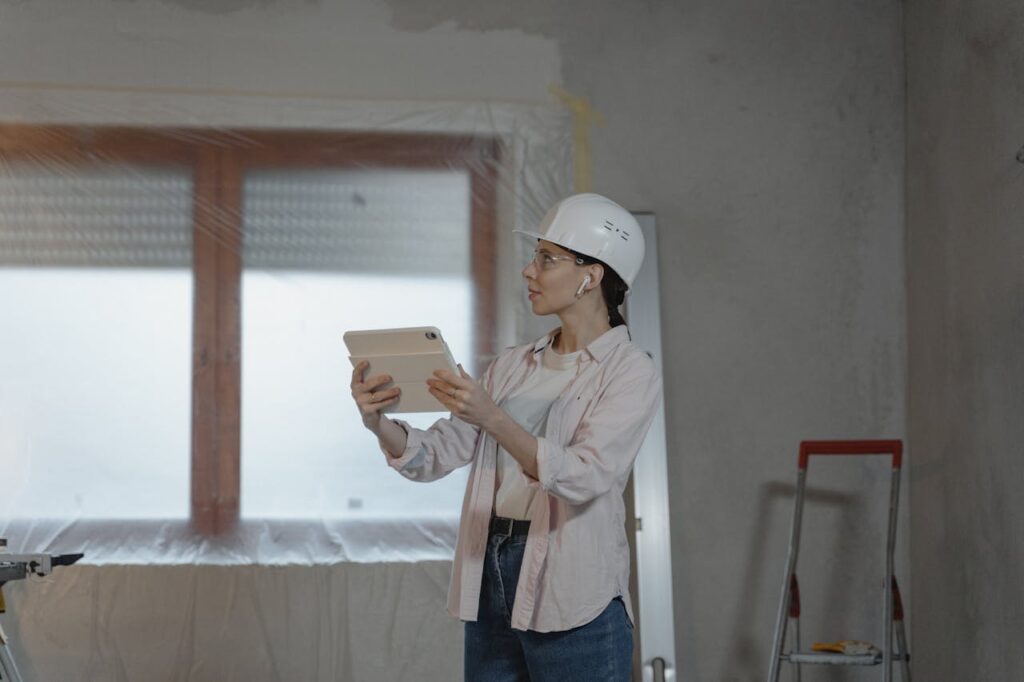
The construction industry has long been associated with scale. Bigger projects, taller buildings, and faster timelines have often been seen as indicators of progress. However, the future of construction is shifting away from quantity and toward quality. Today, the focus is not simply on how much can be built, but on how well it is built. This shift reflects changing priorities around sustainability, efficiency, resilience, and human well-being.
One of the most important drivers of this change is environmental responsibility. Construction is one of the largest contributors to global carbon emissions and resource consumption. As climate concerns grow, the industry is being pushed to adopt more sustainable practices. Building better means using eco-friendly materials, reducing waste, and designing structures that consume less energy over their lifetime. Green buildings are no longer a niche concept. They are becoming a standard expectation. Developers and builders are now considering the entire lifecycle of a building, from design and construction to operation and eventual reuse or recycling.
Technology is also playing a key role in redefining construction. Advanced tools such as Building Information Modeling, artificial intelligence, and automation are helping teams plan and execute projects with greater precision. These technologies reduce errors, improve coordination, and increase efficiency. For example, digital models allow architects and engineers to identify potential issues before construction begins, saving time and cost. Prefabrication and modular construction methods are also gaining popularity, allowing parts of buildings to be manufactured off-site and assembled quickly on location. This approach not only speeds up the process but also improves quality control.
Another important aspect of building better is focusing on durability and resilience. In the past, many projects prioritized short-term gains over long-term performance. Today, there is a growing understanding that buildings must be designed to withstand changing environmental conditions, including extreme weather events. Resilient construction ensures that structures remain safe and functional over time, reducing the need for frequent repairs and rebuilding. This approach ultimately saves resources and protects communities.
Human-centric design is also becoming central to the future of construction. Buildings are no longer just physical structures. They are spaces where people live, work, and interact. As a result, there is greater emphasis on creating environments that support health, comfort, and productivity. This includes better ventilation, natural lighting, noise control, and thoughtful layouts. In workplaces, for example, design choices can influence employee well-being and performance. In residential buildings, they can improve quality of life. Building better means understanding and prioritizing the needs of the people who will use these spaces.
Cost efficiency remains important, but it is being redefined. Instead of focusing only on initial construction costs, stakeholders are now considering long-term value. A building that is slightly more expensive to construct but cheaper to operate and maintain over time is often the better investment. Energy-efficient systems, durable materials, and smart technologies can reduce operational costs significantly. This shift toward lifecycle cost analysis is encouraging smarter decision-making across the industry.
Collaboration is another key factor shaping the future of construction. Modern projects involve multiple stakeholders, including architects, engineers, contractors, and clients. Effective communication and coordination are essential for achieving high-quality outcomes. Integrated project delivery methods are becoming more common, bringing all parties together early in the process to align goals and expectations. This collaborative approach reduces conflicts, improves efficiency, and leads to better results.
Regulations and standards are also evolving to support this transformation. Governments and industry bodies are introducing stricter building codes and sustainability requirements. These regulations are encouraging innovation and ensuring that projects meet higher standards of safety and performance. While compliance can sometimes be challenging, it ultimately drives the industry toward better practices.
The workforce is another critical element in this shift. Skilled labor is essential for delivering high-quality construction. As the industry evolves, there is a growing need for workers who are trained in new technologies and methods. Investing in education and training is therefore crucial. A knowledgeable and skilled workforce not only improves project outcomes but also supports innovation and growth.
In conclusion, the future of construction is not defined by how much is built, but by how thoughtfully and responsibly it is done. Building better means embracing sustainability, leveraging technology, prioritizing people, and focusing on long-term value. It requires a shift in mindset from short-term gains to lasting impact. As the industry continues to evolve, those who adapt to this new approach will lead the way in creating structures that are not only functional but also meaningful and sustainable.