
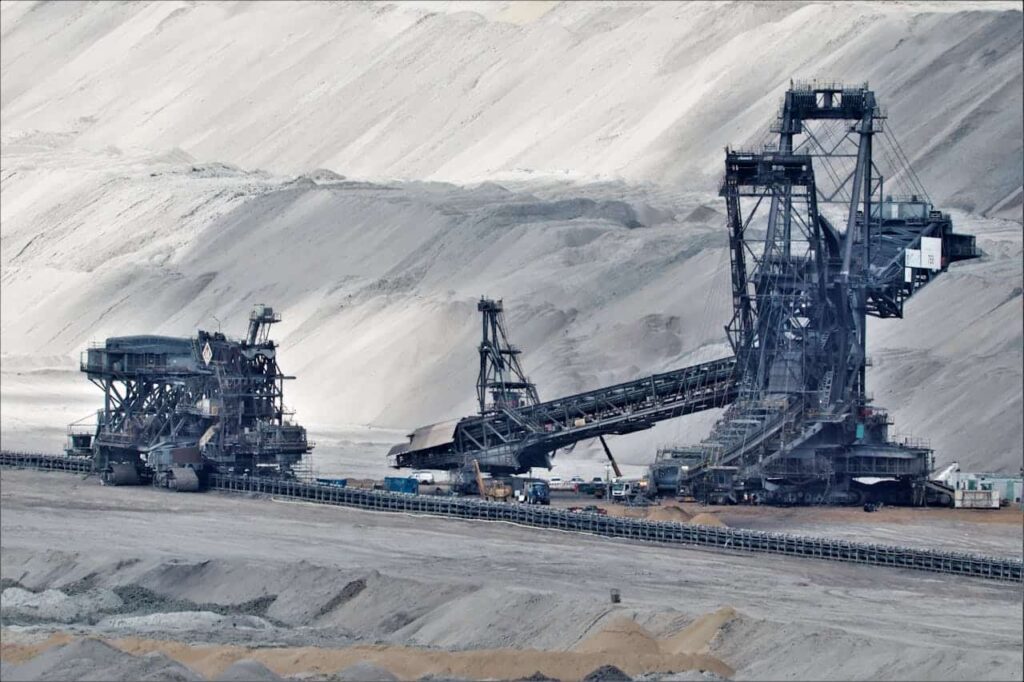
The future of the mining industry is no longer defined solely by production output or resource discovery. It is increasingly shaped by how responsibly resources are developed and who is involved in the decision-making process. As global expectations shift toward sustainability, transparency, and inclusivity, mining companies are being called to rethink not just what they do, but how they do it. Responsible development and diverse voices at the table are becoming essential pillars for the industry’s long-term success.
Responsible development begins with a commitment to minimizing environmental impact while maximizing social and economic value. Mining operations have historically faced criticism for land degradation, water pollution, and community displacement. Today, however, the industry is under growing pressure to adopt more sustainable practices. This includes reducing carbon emissions, improving waste management, and investing in land rehabilitation. Companies are increasingly aligning their strategies with environmental, social, and governance frameworks, recognizing that long-term viability depends on accountability and stewardship.
Technology is playing a significant role in enabling responsible mining. Advanced data analytics, automation, and real-time monitoring systems allow companies to operate more efficiently while reducing their environmental footprint. For example, smart sensors can track water usage and detect leaks, while automated equipment can improve safety and reduce human exposure to hazardous conditions. These innovations are not just improving productivity – they are redefining what responsible mining looks like in practice.
However, responsible development is not only about technology or compliance. It is also about relationships – particularly with the communities where mining takes place. Local communities are no longer passive stakeholders; they are active participants whose voices must be heard and respected. Mining companies are increasingly engaging in meaningful dialogue with community leaders, Indigenous groups, and local governments. This approach helps build trust, address concerns, and ensure that development benefits are shared more equitably.
This is where diversity becomes a critical factor. Diverse perspectives lead to better decision-making, more innovative solutions, and stronger outcomes. In the context of mining, diversity extends beyond gender or ethnicity. It includes diversity of thought, experience, discipline, and geography. When people from different backgrounds come together, they bring unique insights that can help identify risks, uncover opportunities, and challenge conventional thinking.
For example, including environmental scientists alongside engineers in project planning can lead to more balanced and sustainable solutions. Engaging local community representatives can provide valuable context about cultural, social, and environmental priorities. Similarly, having diverse leadership teams within mining companies can improve governance, enhance communication, and foster a more inclusive organizational culture.
The importance of gender diversity in mining cannot be overlooked. Traditionally, the industry has been male-dominated, particularly in technical and leadership roles. However, there is a growing recognition that increasing female participation is not just a matter of equity – it is a business imperative. Women bring different leadership styles, communication approaches, and problem-solving perspectives that can strengthen teams and drive performance. Companies that actively promote gender diversity are often better positioned to attract talent and adapt to changing expectations.
Education and workforce development are also key to building a more inclusive mining sector. As the industry evolves, it requires a broader range of skills, including digital expertise, environmental management, and stakeholder engagement. This creates opportunities to attract talent from non-traditional backgrounds. By investing in training programs, mentorship, and inclusive hiring practices, mining companies can build a workforce that reflects the diversity of the communities they serve.
Another important aspect of responsible development is transparency. Stakeholders today expect clear and honest communication about mining activities, risks, and impacts. Companies are increasingly publishing sustainability reports, engaging in third-party audits, and adopting international standards. Transparency not only builds trust but also helps companies identify areas for improvement and demonstrate accountability.
The transition to clean energy further underscores the importance of responsible mining. Minerals such as lithium, nickel, and cobalt are essential for renewable technologies and electric vehicles. As demand for these resources grows, so does the responsibility to extract them ethically and sustainably. This creates both a challenge and an opportunity for the industry. Companies that prioritize responsible practices and inclusive decision-making will be better positioned to lead in this new era.
Leadership plays a crucial role in driving this transformation. Leaders in the mining sector must move beyond traditional models and embrace a more holistic approach. This includes integrating sustainability into core business strategies, fostering inclusive cultures, and engaging with stakeholders in meaningful ways. It also requires a willingness to listen, learn, and adapt in a rapidly changing environment.
Importantly, the shift toward responsible development and diversity is not just about meeting external expectations. It is about building a more resilient and future-ready industry. Mining companies that embrace these principles are more likely to manage risks effectively, innovate continuously, and maintain their social license to operate.
The future of mining will depend on collaboration across disciplines, sectors, and communities. Governments, industry leaders, investors, and civil society must work together to create frameworks that support responsible practices and inclusive participation. This collective effort is essential for addressing complex challenges such as climate change, resource scarcity, and social inequality.
In conclusion, the mining industry stands at a pivotal moment. Responsible development and diverse voices are no longer optional – they are fundamental to the industry’s future. By embracing sustainability, fostering inclusion, and engaging with stakeholders, mining companies can create value that extends beyond profits. They can contribute to a more balanced and equitable world while securing their place in a rapidly evolving global economy.