
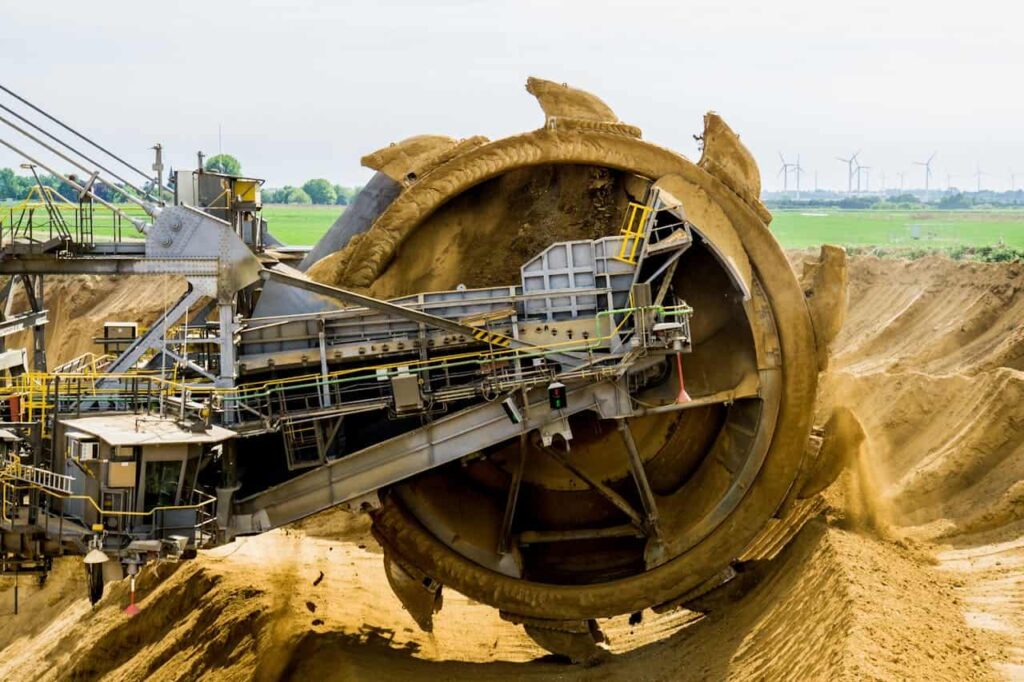
The mining industry is often perceived as a sector limited to heavy machinery, remote locations, and physically demanding work. While these elements are part of its reality, the industry today is far more complex and diverse than many realize. It offers a wide range of career pathways that span science, engineering, business, and people management. From exploration to production and beyond, mining relies on a multidisciplinary workforce that drives innovation, sustainability, and global economic growth.
At the core of the industry lies geology, which serves as the foundation for all mining activities. Geologists are responsible for studying the earth’s structure, identifying mineral deposits, and assessing the feasibility of extraction. Their work involves advanced technologies such as geospatial mapping, data modeling, and remote sensing. Without geologists, mining companies would not know where to begin. This role is ideal for individuals who are curious about the natural world and enjoy analytical thinking combined with fieldwork.
Engineering is another major pillar within the mining sector. Mining engineers design and oversee the extraction process, ensuring that operations are safe, efficient, and cost-effective. They work closely with civil, mechanical, and electrical engineers to develop infrastructure, maintain equipment, and optimize production systems. As mines become more technologically advanced, engineers are increasingly involved in automation, robotics, and digital transformation initiatives. This makes engineering a dynamic and evolving field within mining.
Metallurgy plays a crucial role in transforming raw materials into usable products. Metallurgists focus on extracting metals from ores and refining them to meet industry standards. Their work is essential for industries such as construction, manufacturing, and technology. As demand for critical minerals grows, especially for renewable energy and electronics, metallurgists are becoming more important than ever. This pathway suits individuals who are interested in chemistry, materials science, and industrial processes.
In recent years, environmental science has gained significant importance in mining. With increasing awareness of sustainability and environmental responsibility, mining companies are investing heavily in minimizing their ecological impact. Environmental scientists assess risks, develop mitigation strategies, and ensure compliance with regulations. They also work on land rehabilitation, water management, and biodiversity conservation. This role is ideal for those who are passionate about balancing industrial development with environmental protection.
Beyond technical roles, the mining industry offers numerous opportunities in skilled trades. Electricians, welders, heavy equipment operators, and maintenance technicians are essential for daily operations. These roles require specialized training and hands-on expertise. Skilled trades professionals often enjoy strong job stability and competitive wages. As technology evolves, these roles are also becoming more sophisticated, requiring continuous learning and adaptation.
Another critical but often overlooked area is investor relations. Mining projects require significant capital investment, and companies must maintain strong relationships with investors and stakeholders. Professionals in this field communicate financial performance, project updates, and strategic plans to shareholders and the public. They play a key role in building trust and ensuring transparency. This pathway is well-suited for individuals with strong communication skills and a background in finance or business.
Finance itself is a major component of the mining industry. Financial analysts, accountants, and project finance specialists manage budgets, assess risks, and evaluate investment opportunities. Mining projects are complex and long-term, requiring careful financial planning and management. Professionals in this area help ensure that operations remain profitable and sustainable. This pathway offers opportunities for those who enjoy working with numbers and strategic decision-making.
Human resources is another essential function within mining organizations. Managing a diverse and often geographically dispersed workforce requires strong HR practices. Professionals in this field handle recruitment, training, employee relations, and organizational development. They also play a key role in promoting safety culture and employee well-being. As the industry becomes more inclusive and diverse, HR professionals are instrumental in shaping positive workplace environments.
The diversity of career pathways in mining reflects the industry’s transformation. Modern mining is not just about extracting resources but also about innovation, sustainability, and collaboration. Digital technologies such as artificial intelligence, data analytics, and automation are reshaping how mines operate. This creates new opportunities for professionals with skills in IT, data science, and cybersecurity.
Moreover, the global demand for minerals continues to grow, driven by urbanization, infrastructure development, and the transition to clean energy. Minerals such as lithium, cobalt, and rare earth elements are critical for batteries, electric vehicles, and renewable energy systems. This demand ensures that the mining industry remains a vital part of the global economy, offering long-term career prospects.
One of the most appealing aspects of the mining industry is its ability to offer both specialization and mobility. Professionals can start in one discipline and transition into others as they gain experience. For example, an engineer may move into project management, or a geologist may take on leadership roles. This flexibility allows individuals to build diverse and fulfilling careers.
The industry also provides opportunities for international exposure. Mining operations exist across continents, from remote regions to major industrial hubs. Professionals often have the chance to work in different countries, experience diverse cultures, and contribute to global projects. This adds a unique dimension to careers in mining.
However, the industry also faces challenges. It must address environmental concerns, improve safety standards, and adapt to changing regulations. This requires continuous innovation and a commitment to responsible practices. For professionals entering the field, this means being prepared to engage with complex issues and contribute to positive change.
In conclusion, the mining industry offers far more than traditional roles. It is a multidisciplinary sector that welcomes talent from geology, engineering, metallurgy, environmental science, skilled trades, investor relations, finance, and human resources. Each pathway plays a vital role in the success of mining operations and the broader economy. As the industry continues to evolve, it presents exciting opportunities for individuals who are willing to learn, adapt, and contribute to a sustainable future.