
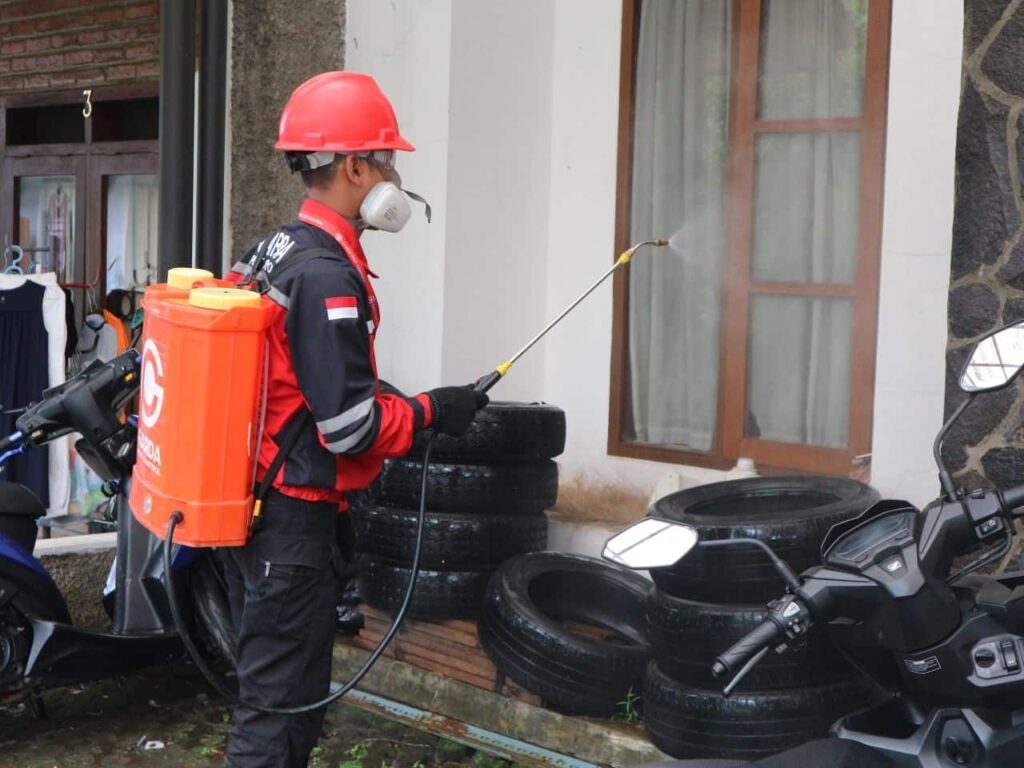
A pest control business runs on urgency. A homeowner spotting termites or a restaurant dealing with a rodent problem rarely wants to wait until tomorrow for a callback, and every unanswered call is a real chance that customer simply calls the next company on the list instead.
A Harvard Business Review study analyzing response times across 2,241 U.S. companies found that firms contacting a lead within one hour were seven times more likely to have a meaningful conversation with a decision-maker than those who waited even one additional hour.
Recognizing exactly when your current phone setup has become a genuine liability, rather than just an occasional inconvenience, matters enormously for a business that depends on being reachable. Here are seven signs that the gap has become serious enough to address directly.
1. Calls Are Going to Voicemail During Business Hours
If technicians and office staff are consistently out of jobs or otherwise occupied, incoming calls during normal business hours can end up going straight to voicemail more often than anyone realizes. Most callers won’t leave a message and wait. They’ll simply move on to a competitor who actually picks up.
This pattern often goes unnoticed internally, since nobody’s specifically tracking how many calls quietly slip past during a busy afternoon. By the time it becomes obvious through lost business, it’s usually already cost the company considerably more than a single missed appointment.
2. You’re Losing Jobs to Competitors Who Answer Faster
Pest control is a genuinely competitive market in most areas, and customers comparing options often simply choose whichever company actually answers the phone first. A business that consistently misses calls is effectively handing business directly to competitors who happen to be more reachable in that specific moment.
This kind of lost business is particularly frustrating because it’s entirely preventable, and it rarely shows up as a clear, obvious loss. It just shows up as fewer new customers than the business’s actual reputation and service quality would otherwise suggest.
3. Your Technicians Are Fielding Calls in the Field Instead of Working
When there’s no dedicated system to handle incoming calls, the burden often falls on technicians who are supposed to be focused on the job actually in front of them. Stopping mid-treatment to answer a phone call is both inefficient and, depending on the situation, potentially unsafe.
This divided attention doesn’t just slow down the current job. It also means the phone call itself often doesn’t get the focused, professional attention a new or existing customer actually deserves, since the technician is trying to manage two things simultaneously.
4. After-Hours Emergencies Are Going Unanswered
Pest emergencies don’t limit themselves to business hours, and a customer dealing with a serious infestation at 9 p.m. wants to know someone will actually respond, not wait until the following morning to even hear back. A business with no after-hours coverage misses this entire category of urgent, often high-value calls.
These after-hours calls frequently come from customers facing genuinely urgent situations, which means they’re often willing to pay a premium for fast response. Missing them isn’t just a minor gap. It’s a direct loss of some of the most valuable, time-sensitive business available.
5. Your Team Is Stretched Too Thin to Follow Up on Leads
Answering the initial call is only part of the equation. Following up promptly on quotes, scheduling requests, and unanswered questions requires genuine time and attention that an already-stretched team often simply doesn’t have available.
- Calling back within a reasonable window: Leads that go too long without a response tend to lose interest and move on to another company.
- Answering follow-up questions clearly: Customers often have additional questions after an initial call that need a prompt, informed response.
- Confirming appointment details: Miscommunication about scheduling creates frustration and increases the risk of a missed or canceled appointment.
- Tracking which leads still need attention: Without a clear system, leads can quietly fall through the cracks without anyone noticing.
When a team is already stretched thin handling active jobs, this kind of consistent follow-up is often the first thing to slip, quietly costing the business leads that were otherwise genuinely interested.
6. Seasonal Call Volume Spikes Overwhelm Your Current Setup
Pest control businesses often see dramatic seasonal spikes, a sudden surge of ant or termite calls in spring, for example, that can overwhelm a phone setup built for a more typical, steady volume. A system that works fine most of the year can fail exactly when demand, and revenue potential, is at its highest.
This mismatch between capacity and seasonal demand is a common, costly blind spot, since the business often doesn’t fully register how many calls it’s actually missing until well after the busy season has already passed and the lost revenue is difficult to recover.
7. You Have No Real Data on Missed Calls or Lost Revenue
Many pest control businesses genuinely have no clear visibility into how many calls they’re actually missing or how much revenue that represents over the course of a year. Without this data, it’s nearly impossible to understand the real scope of the problem or make an informed decision about addressing it.
This lack of visibility often means the issue gets consistently underestimated, since a handful of missed calls feels far less significant than the actual cumulative total genuinely is once it’s properly tracked and measured.
What to Look for in an Answering Service Built for Pest Control
Not every answering service understands the specific urgency and vocabulary of pest control work, and that difference matters considerably when a caller is describing a bed bug infestation or asking about treatment safety around pets and children. A generic call center often can’t field these questions with genuine confidence or accuracy.
The right service should be available around the clock, trained specifically on pest control terminology and common customer concerns, and able to schedule appointments directly into the business’s existing system without creating extra work for office staff. This kind of specialized capability is exactly what separates a genuinely useful answering service from one that simply takes a message and passes it along. Pest control companies exploring a pest control answering service should look specifically for this kind of industry-specific training and integration, rather than a generic, one-size-fits-all call center.
The importance of industry-specific support can be seen in solutions from providers like Front Office Solutions, which focus on helping pest control companies manage customer calls more effectively without adding unnecessary pressure to internal teams.
What a Missed Call Actually Costs a Pest Control Business
A single missed call rarely feels like a big deal in isolation, but the math changes considerably once it’s considered across an entire year of operation. A new customer’s first service call alone often represents meaningful revenue, and that’s before accounting for the recurring treatments many pest control relationships eventually involve.
Multiply a handful of missed calls per week across fifty-two weeks, and the total lost revenue frequently reaches a figure business owners find genuinely surprising once they actually calculate it. This cost compounds further when factoring in referrals and repeat business that a satisfied long-term customer would have eventually generated, none of which ever materializes if that first call was never answered in the first place.
Conclusion
Recognizing these seven signs early can prevent a genuinely significant, ongoing loss of business that often goes unnoticed until it’s calculated properly. For pest control companies serious about capturing every opportunity that comes through the phone, addressing this gap with the right answering service is one of the most direct, measurable ways to protect and grow revenue that might otherwise quietly slip away.