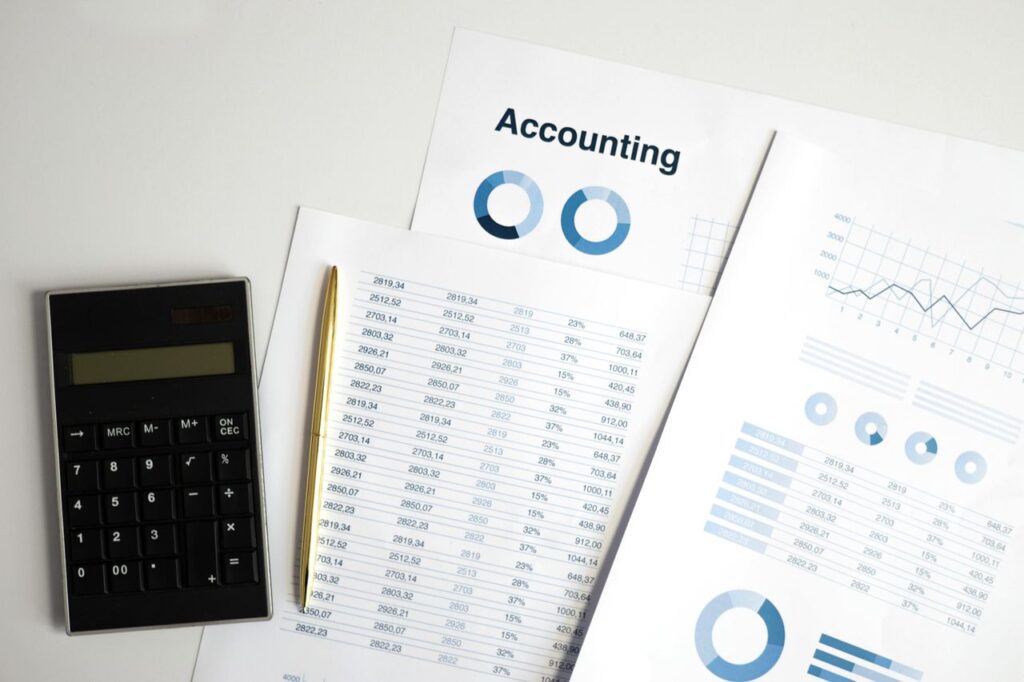
Accounting software has made running a business much easier. Owners can track income, record expenses, send invoices, reconcile transactions, and generate financial reports without keeping stacks of paper records.
But there comes a point when having the right software is no longer enough.
As a business grows, its finances can involve more transactions, employees, contractors, assets, tax obligations, and financial decisions. The software may still record everything, but it cannot always determine what those numbers mean or what a business should do next.
That is where human accounting expertise becomes valuable. Software can organize financial information, while an experienced professional can help interpret it, spot issues, and connect the numbers to the bigger needs of the business.
Complex Finances Require More Judgment
As a business grows, accounting can involve questions that software cannot answer on its own. The issue is no longer just whether income and expenses have been recorded correctly, but whether the business is making sound choices based on that information.
A company may need to decide whether to change its business structure, how to handle a major purchase, or whether a different accounting method would be more suitable. These choices can affect taxes, reporting, cash flow, and future plans.
Accounting software can organize the numbers and produce reports that help with these decisions. But it does not understand why the business is making a particular choice or what the owner hopes to achieve.
That is where a Certified Public Accountant (CPA) comes in. An accounting professional can interpret the financial information, consider the circumstances behind it, and explain the potential implications of different options. They can also spot areas where a business may need further attention before making a decision.
As accounting becomes more complicated, having someone who can apply professional judgment to the numbers becomes increasingly important.
Tax Planning Is More Complicated Than Filing a Return
Tax is another area where the limits of software become clearer. Tax software can help prepare returns based on the information entered, but proactive tax planning involves decisions that may happen months before a return is filed.
For example, a growing construction company in Nashville may be considering new equipment, hiring employees, changing its business structure, or expanding into a new area. Each decision can have tax and financial consequences that depend on the company’s circumstances.
The Taxpayer Advocate Service has estimated that a small business can spend roughly 82 hours and $2,900 on tax compliance. That burden helps explain why tax management can become difficult as a company grows. A CPA or tax professional can look beyond the return itself and consider how current decisions may affect future tax obligations.
Businesses Need Financial Information for Bigger Decisions
Accounting becomes especially valuable when financial information needs to support an actual business decision. A monthly profit and loss statement can show that expenses increased, for example. But an owner may still need to understand why they increased, whether the change is temporary, and what it could mean for future profitability.
The same applies to decisions about pricing, hiring, expansion, financing, or restructuring. Financial reports provide useful information, but someone still needs to connect those figures to the decision at hand.
For businesses that have outgrown basic bookkeeping, working with a Nashville CPA can bring that human perspective into the process. A CPA can help interpret financial information, address tax and compliance questions, and provide guidance when the numbers alone do not tell the whole story.
The Right Approach Combines Both
None of this means businesses should abandon accounting software. Quite the opposite. The right software can save time, improve organization, and give owners faster access to their financial information.
The difference is in how that information is used. Accounting firms such as Sunil Kawatra CPA take a broader approach that combines accounting and tax services with advisory support. That reflects an important distinction for growing businesses: financial information becomes more useful when it can be connected to tax planning, compliance, and future business decisions.
The goal is not to choose between technology and people. It is to let software handle the work it does well while experienced professionals handle the questions that require judgment.
The Bottom Line
Accounting software can do a lot, and businesses should take advantage of it. But as finances become more complicated, recording transactions is only one part of the job.
Businesses also need someone who can question the numbers, understand the circumstances behind them, plan for tax consequences, and help turn financial information into better decisions. That human layer becomes increasingly important as a company moves beyond simple bookkeeping and starts dealing with more complex financial needs.