Transformational Coach to Follow, 2026
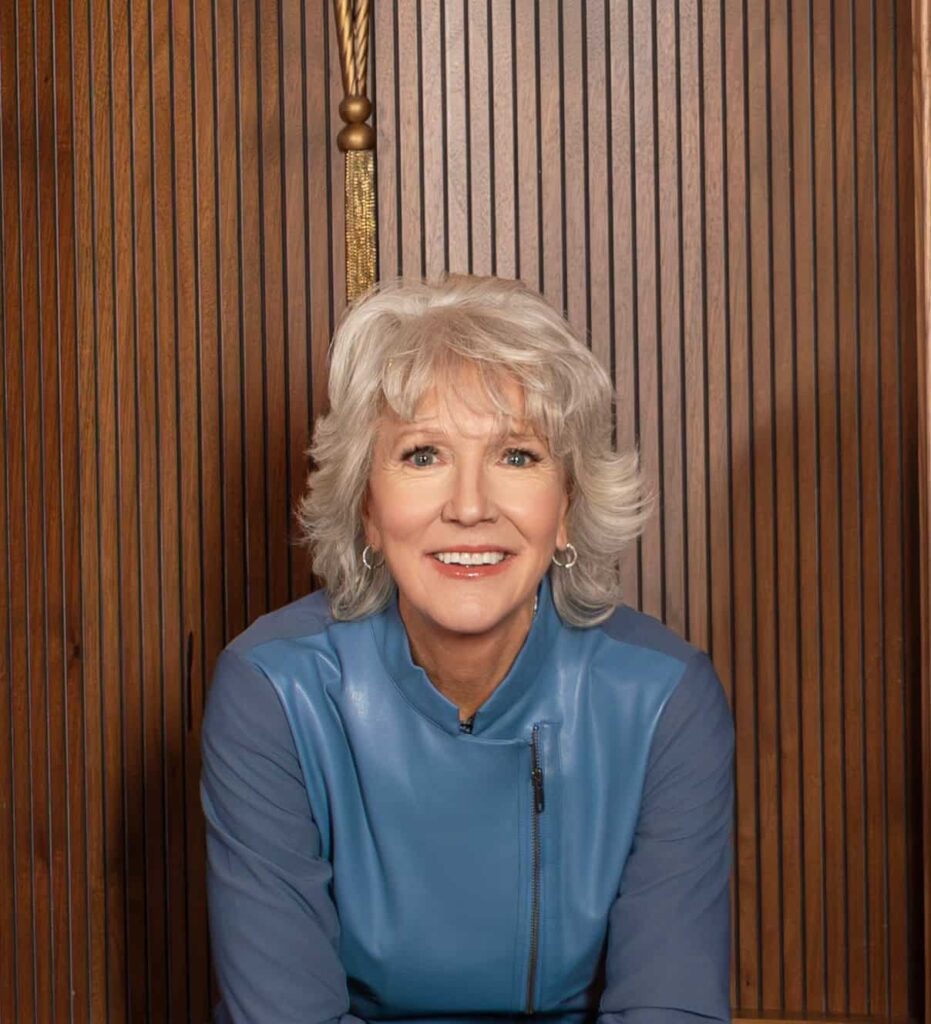
Melinda Fouts and the Science of the Unconscious Operating Systemitle
Melinda Fouts did not set out to become one of the most respected executive coaches working today. Her path began in psychotherapy, where she spent years helping people understand the emotional patterns that shaped their lives. That work took an unexpected turn when an executive at an international firm reached out to her for help.
The executive had been told by a colleague that her entire team was afraid of her because she came across as harsh. She did not see herself that way at all, and she wanted to understand the gap between how she saw herself and how others experienced her.
Fouts worked with her for nine months, patiently unpacking the emotional history behind her sharpest reactions and helping her see the patterns she had never had reason to question before. By the end of it, the executive told her something that changed the direction of her career. She said she had worked with executive coaches throughout her career, and none of them had helped her the way Fouts had. The difference was simple but profound. Fouts helped her understand herself, and specifically what triggered her to react so sharply with her team. The executive told Fouts plainly that the corporate world needed her as an executive coach. Fouts listened. She went on to complete an executive coaching certification and combined it with her Ph.D. in psychology and years of business acumen, creating a coaching practice built on something most programs skip over: the unconscious drivers behind behavior.
When we let go of the outcome, we remove the ego from the equation.
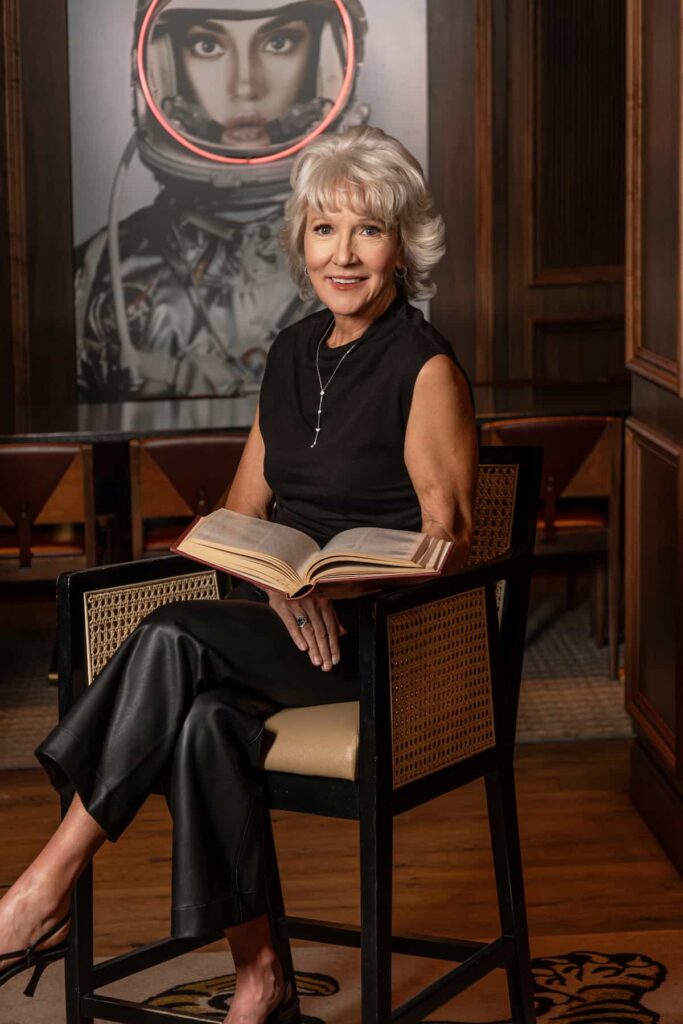
That moment also explains what has motivated Fouts throughout her career, whether she was working as a psychotherapist or as an executive coach. Her goal has always been to end suffering. She has seen again and again that when a person is suffering, they inadvertently create suffering around them, whether that person is a spouse, a parent, or a senior executive leading a team of hundreds. Helping one person heal, she has found, ripples outward to everyone connected to them.
At the center of her coaching approach is a simple but powerful idea. Real transformation happens through deep self-understanding and self-awareness, not through surface-level fixes. Many coaching methods focus on goals, habits, and tactics, which Fouts describes as the apps running on top of a person’s mental operating system. Her work goes underneath all of that, to the system itself, the unconscious emotional patterns that quietly shape how a person makes decisions, perceives the world, and communicates with others. Because she works at that deeper level, the change her clients experience tends to be more foundational and longer lasting than what comes from tactics alone.


Central to this approach is the idea that perception is a lens, not a fact. Fouts helps her clients see that what they experience as reality is filtered through a personal lens built from emotional history, not some objective truth handed down from above. Once a client understands that their perception is a lens rather than the truth, it changes how they interpret conflict, feedback, and opportunity. A colleague’s blunt comment stops feeling like an attack and starts looking like information. A missed promotion stops feeling like proof of inadequacy and starts looking like one data point among many.
Fouts also treats communication style differently than most coaches do. Rather than approaching it as a skill to be polished through tips and scripts, she treats it as a diagnostic tool, a window into a person’s inner emotional state. The way someone speaks in a tense meeting, the words they reach for under pressure, the tone they default to when they feel cornered, all of it offers clues to the deeper patterns running beneath the surface. This diagnostic lens allows her to move past the words themselves and into the emotional architecture producing them.
Ultimately, her work is not about optimization. It is about transformation. She is not interested in helping people perform slightly better within the framework they already have. She is interested in helping them change the framework itself, so that better performance becomes a natural byproduct of a healthier internal system rather than something forced through sheer effort.

Insight without follow-through fades. Insight plus accountability makes change durable.
One of the most common issues Fouts sees among her clients is imposter syndrome, and many of them do not even realize that is what they are experiencing. Her work reveals the underlying unconscious emotional operating system creating that persistent sense of not being good enough, even in people who have achieved extraordinary success by every outward measure. Once that operating system becomes visible, clients can finally address the root cause instead of continuing to manage the symptoms.
Among the many transformations she has guided, one client’s story stands out to her as especially memorable. He had built a successful business, only to face a hostile takeover from two partners he himself had brought on board. Through their work together, he came to understand that he had taken on those partners in the first place because of an unconscious belief, formed early in his life, that he was not good enough on his own. During the legal battle that followed, a period when he was unable to start another company, he used the time to dig deeper into that belief and understand how thoroughly it had been driving his decisions for years. When he eventually launched his new company, the difference was striking. He went from working eighty hours a week to working thirty, all while building a more successful business that generated more revenue than before. The shift was not about working harder. It was about operating from a different internal foundation entirely.
To help clients get to that kind of shift, Fouts draws on a set of methods and tools that work together rather than in isolation. Her signature tool is curiosity-based inquiry. Instead of confronting clients directly about an issue, she uses curiosity to help them uncover their own blind spots. This approach allows people to arrive at their own insights without feeling judged, criticized, or put on the defensive, which makes it far easier for them to actually hear and absorb what comes up. It also keeps the nervous system calm, so clients stay open to the process instead of shutting down or becoming defensive.
She also uses structured assessments to give shape to what would otherwise stay invisible. Emotional intelligence assessments help clients understand their emotional patterns, including how they perceive, process, and respond to emotions in themselves and in others. This ties directly back to her core philosophy of making the unconscious emotional operating system visible and measurable. She also uses the Myers-Briggs Type Indicator to help clients understand their natural personality tendencies, including how they take in information, make decisions, and relate to the people around them. This adds another layer of self-awareness, helping clients understand why they default to certain patterns of thinking, communicating, and decision-making in the first place.
Real transformation happens through deep self-understanding, not surface-level fixes.
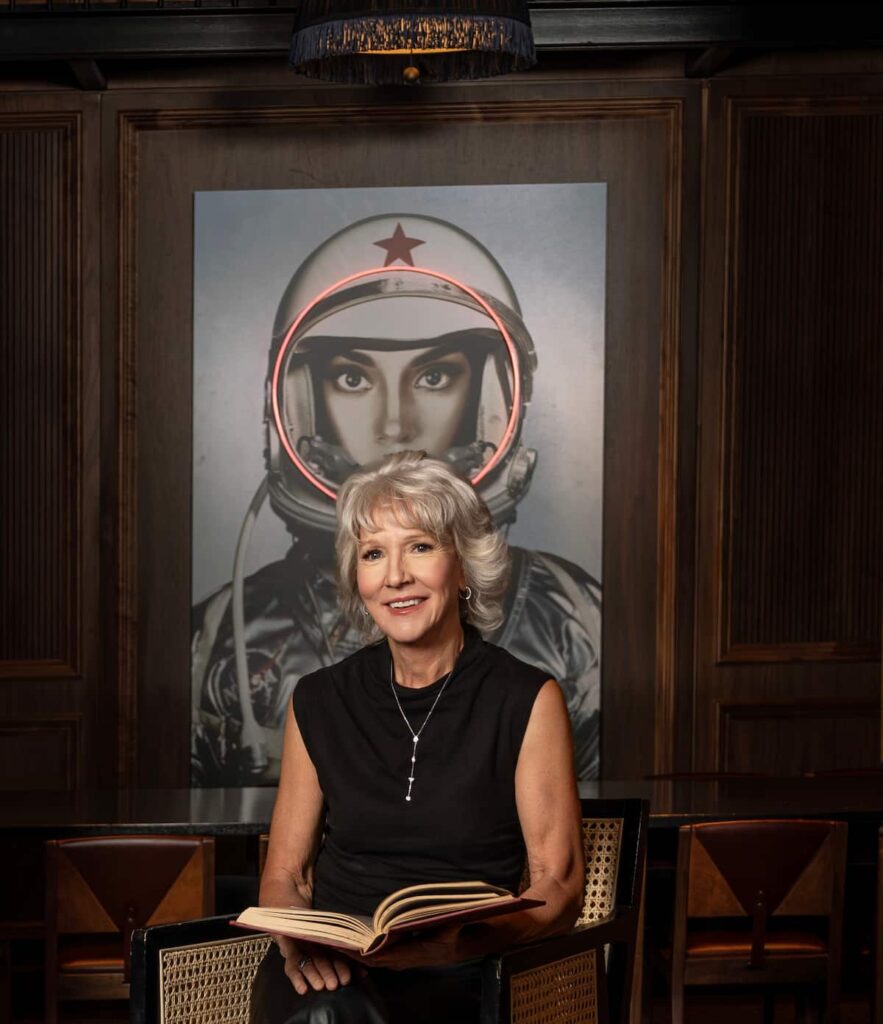
None of these tools are applied the same way for every client. Fouts does not believe in a one-size-fits-all method. Each client is treated as unique, and she uses curiosity, emotional intelligence assessments, and MBTI flexibly, depending on what will serve that specific person’s growth. Curiosity offers a safe, non-threatening way into the unconscious patterns she is working with. The assessments provide concrete, structured tools that make invisible patterns, such as emotional habits, perception, and communication style, visible and tangible for clients. The individualized approach reinforces that she is not offering generic frameworks but tailored insight built around each person she works with.
Building confidence and creating lasting change requires more than insight alone, and Fouts structures her work around that reality. At the core of her mindset work is a mindfulness practice she guides clients through personally. This practice is what actually shifts a person’s internal state. It is not just intellectual understanding but a felt, embodied change in how clients relate to their own thoughts and emotions. This is the point where the unconscious operating system work becomes tangible and experiential rather than purely conceptual.
Beyond insight, she gives clients clear direction and specific tools they can apply in their real lives, bridging the gap between understanding oneself better and actually doing something different day to day. She also holds her clients accountable to using what they have been given, including the tools, the direction, and the mindfulness practice itself. In her experience, this accountability piece is often the missing element in coaching more broadly. Insight without follow-through tends to fade, but insight combined with accountability is what makes change durable over time.
It is the combination of these elements, rather than any single one, that creates lasting change. Mindfulness produces the inner shift. Tools and direction provide practical application. Accountability provides consistency. Together, they turn a temporary insight into a lasting transformation. Confidence builds naturally as clients experience themselves successfully navigating situations that once felt impossible, using a process that actually works for them.
Fouts sees emotional intelligence, self-awareness, and personal accountability as working together in sequence. Emotional intelligence opens the door to understanding emotions in the first place. Self-awareness brings unconscious patterns into the light where they can finally be examined. Accountability locks the change in through consistent action over time. Skip any one of the three, she believes, and transformation stalls. Without emotional intelligence, there is no language for what is happening internally. Without self-awareness, patterns stay hidden from view. Without accountability, insight quietly fades back into old habits.
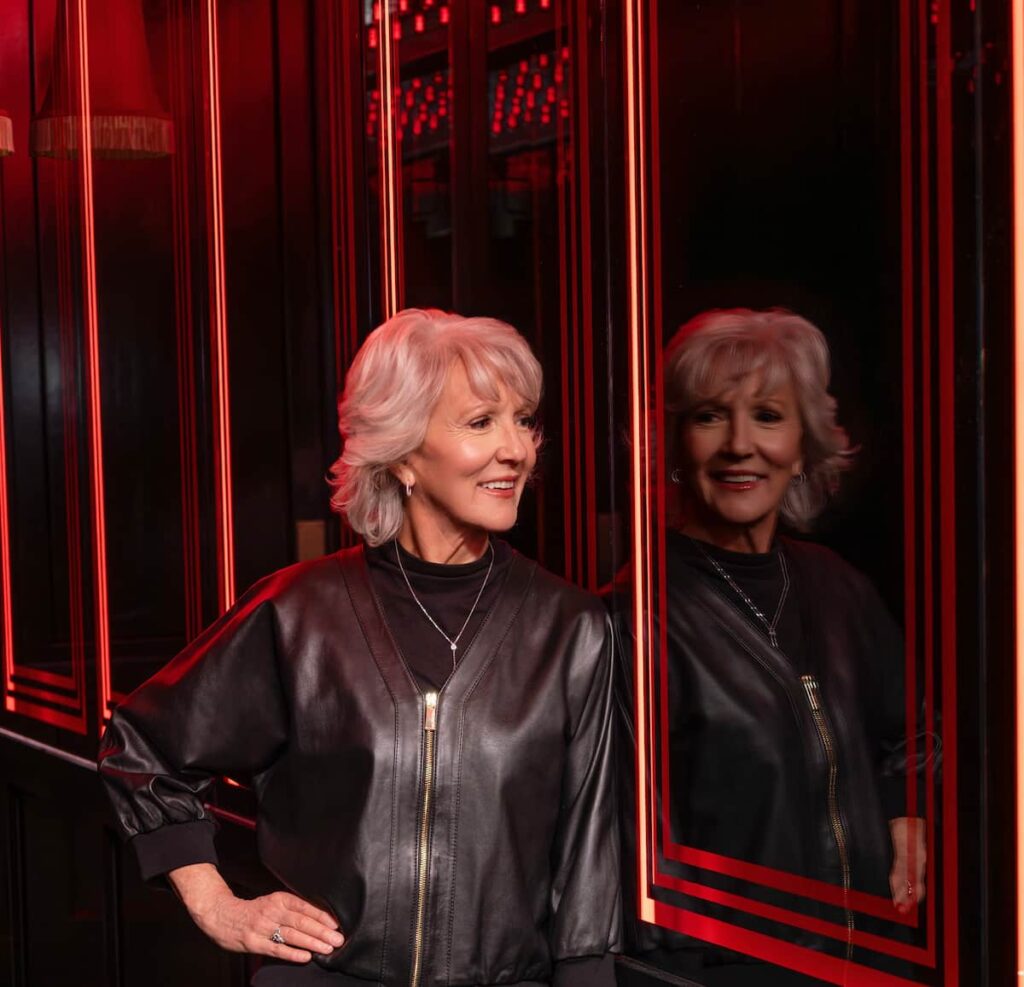

Looking ahead, Fouts describes her vision in clear terms. She wants to raise consciousness and help people reclaim inner peace as a daily, lived reality rather than a distant ideal. At the root of most disruption to a person’s peace, she believes, is an unconscious emotional operating system, old patterns that convince people they need to control outcomes they were never meant to control in the first place. This idea sits at the heart of her book, Cognitive Enlightenment. When people bring that operating system into awareness and let go of the need to control the outcome, they remove the ego from the equation. Conversations soften. Stress loses its grip. Clarity takes its place.
In the years ahead, Fouts wants to bring this awareness to more people, through her coaching practice, through Cognitive Enlightenment, and through every platform that allows this message to travel further. Her goal is not simply to coach individuals one at a time, though that work remains deeply meaningful to her. It is to contribute to something larger, a broader shift in consciousness that moves forward one person, one operating system, and one act of letting go at a time. For Melinda Fouts, that mission is not a distant career goal but the daily work she has already been living for years, one client, one conversation, and one quiet breakthrough at a time.

The difference was simple but profound. Fouts helped her understand herself.