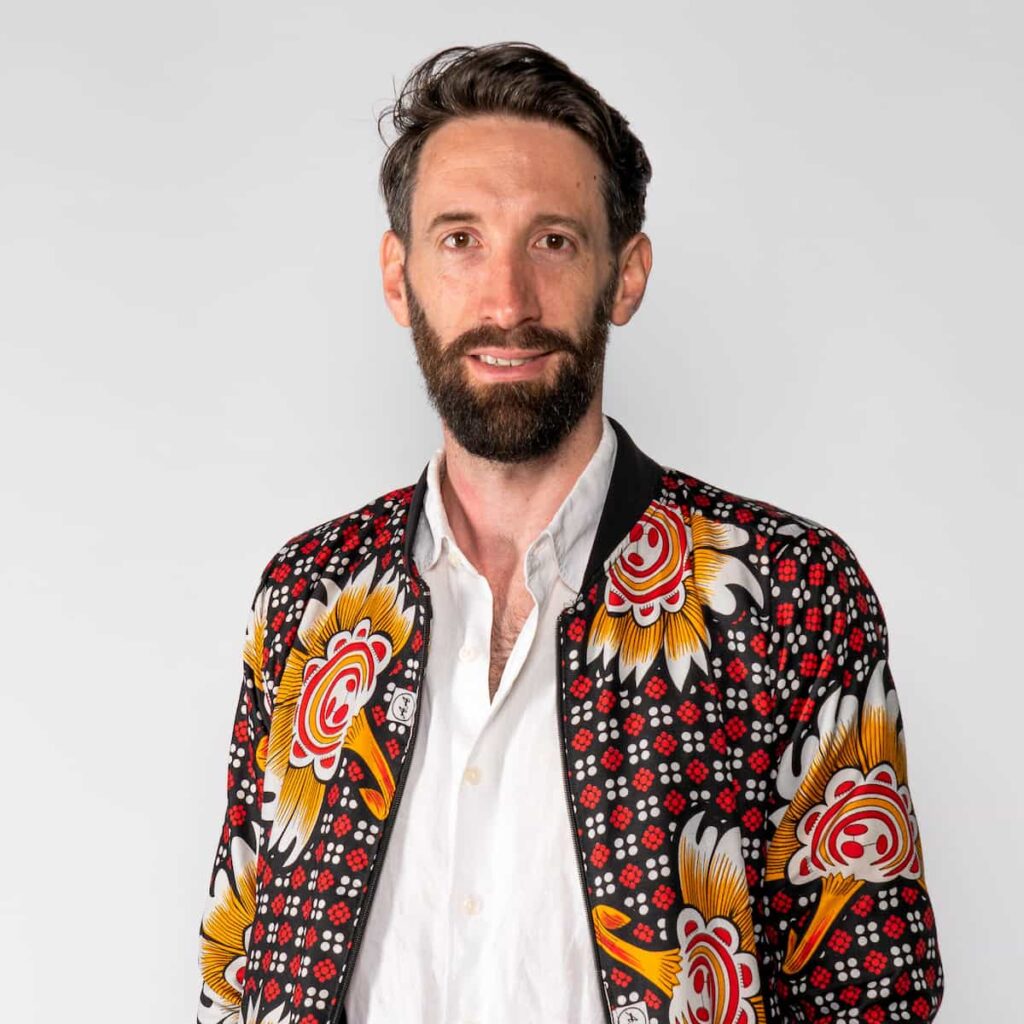
Simon Schwall is the Founder and CEO of OKO, an AgriTech and InsurTech company working to create a stronger financial safety net for smallholder farmers across Sub-Saharan Africa. Operating in countries including Mali, Uganda, and Côte d’Ivoire, OKO combines climate-parametric crop insurance, satellite technology, mobile solutions, and digital financial services to help farmers manage the risks created by an unpredictable climate.
Simon Schwall | Founder and CEO | OKO
The company also works closely with commercial banks and global agro-industries, helping them protect agricultural loans, strengthen supply chains, and unlock greater opportunities in rural markets.
EliteX proudly features Simon Schwall in this edition, recognizing a distinguished journey of leadership, innovation, and meaningful impact.
Schwall’s journey into this field began in 2015 while he was working in micro-insurance in Papua New Guinea. During that time, he witnessed the impact of drought on farming communities. Families were losing their livelihoods with almost no financial support to recover. Although life and health insurance could help people manage medical or funeral expenses, there was no simple solution to protect farmers from losing their income because of failed crops. That experience made Schwall realise that climate risk was one of the biggest financial challenges facing smallholder farmers.
Climate insurance could unlock hundreds of millions in bank funding currently missing for African agriculture
This realisation led him to co-found OKO with Shehzad Lokhandwalla and Raphael Haziza. The early journey was not easy. Investors were uncertain about the practicality of micro-insurance in frontier markets and viewed it as an operationally difficult business. Schwall and his team had to demonstrate that affordable insurance for underserved farmers could become a scalable commercial solution rather than a charitable activity. With early accelerator support and extensive testing in Mali, they showed that a mobile-first insurance model could reach farmers efficiently and provide meaningful protection.
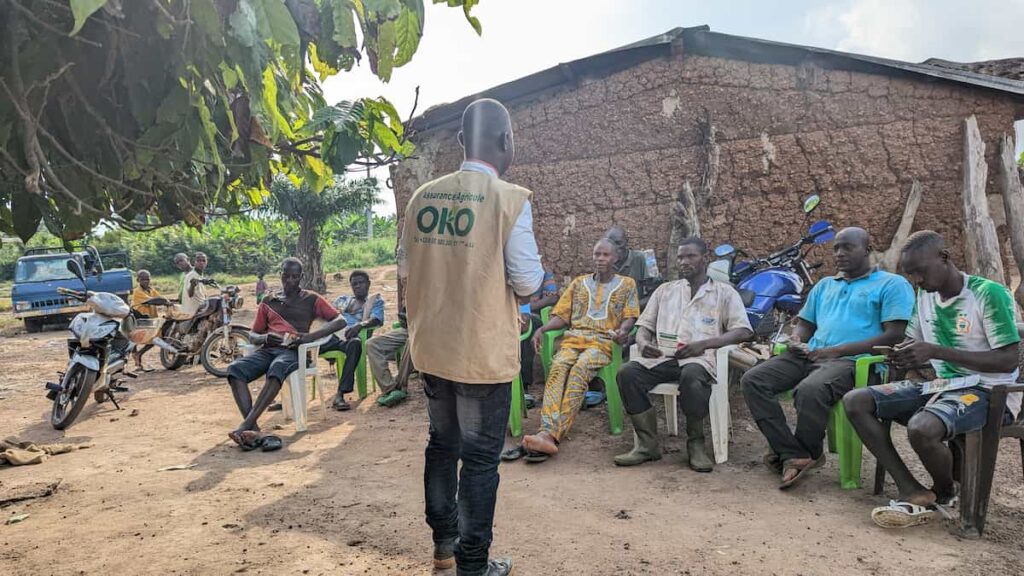
Technology became central to this approach. OKO uses satellite and meteorological data to measure weather risks in areas where reliable ground-based information may not be available. When predefined climate conditions, such as severe drought, are detected, the parametric insurance system can trigger payouts automatically. This reduces the need for traditional field inspections, paperwork, and lengthy claims processes. For farmers, the process is designed to be simple and accessible.
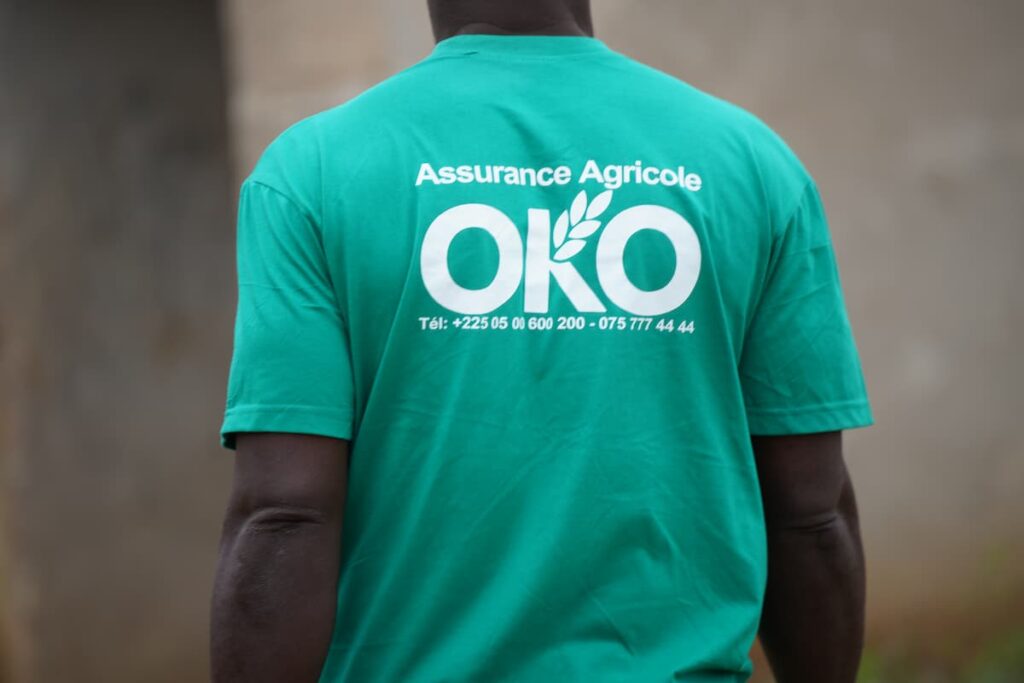
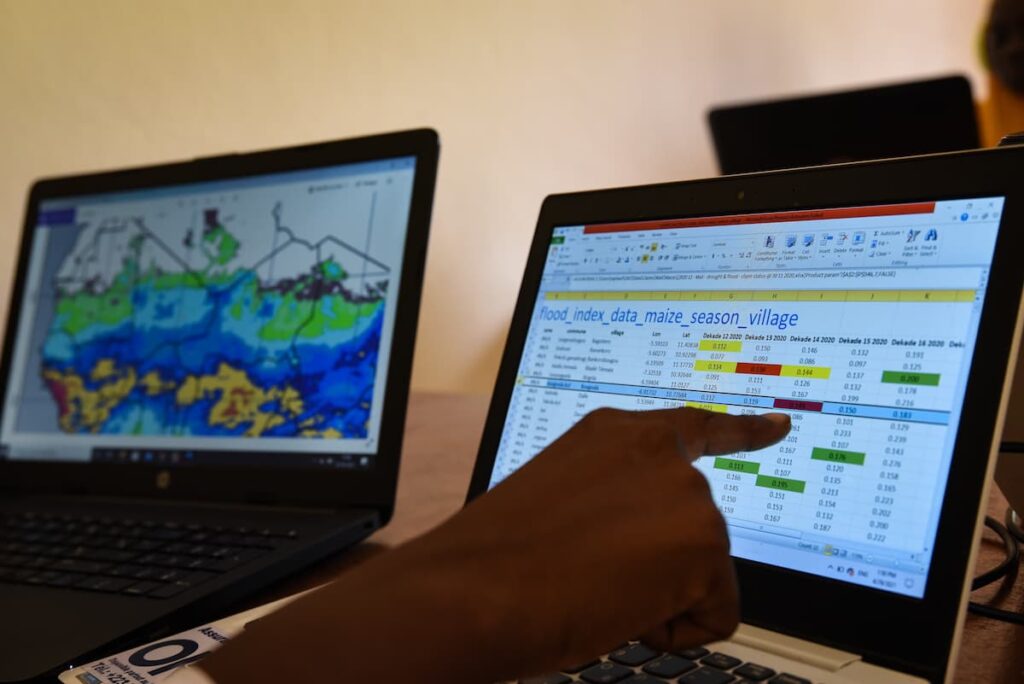
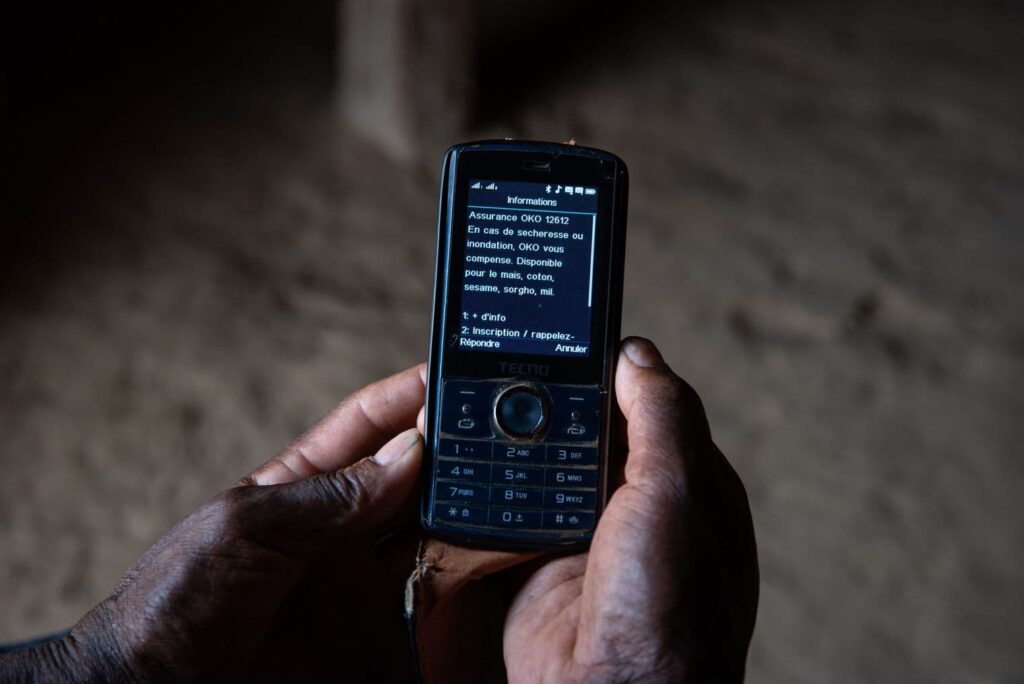
Accessibility is especially important in rural communities where smartphones and formal banking services may not be widely available. Farmers can interact with OKO through simple USSD services or WhatsApp voice notes, including communication in local languages. At the same time, banks and agricultural companies can access OKO through APIs and digital portals. This allows financial institutions and agribusinesses to include climate protection within agricultural loans and outgrower programmes.
For Schwall, one of the biggest challenges facing African agriculture is not simply production but access to finance. Smallholder farming isn’t inherently unbankable: it is simply uninsured. OKO absorbs the climate shock layer, enabling commercial banks to confidently open the credit taps to rural markets. Its insurance can help protect financial institutions against climate-related loan defaults while also helping agricultural companies protect farmer networks and maintain more reliable supply chains.
One achievement that stands out in Schwall’s journey came through OKO’s partnership with RMCR, part of the VisionFund network, in Mali. The partnership enabled agricultural loans to be bundled with OKO insurance. When a severe climate event affected the region, satellite-based systems triggered payouts. According to Schwall, OKO covered up to 58% of the total loan values directly to the microfinance institution. This helped protect the lender’s capital while allowing farmers to maintain their credit records instead of being pushed into widespread defaults.
Global industry leaders like AB InBev, Mars, and Cargill partner with OKO to de-risk their supply chains and secure rural sourcing
Innovation at OKO is also closely connected to sustainability and inclusion. The company has worked on gender-transformative insurance initiatives with UN Women to improve protection for female farmers. Schwall sees financial resilience as an important part of sustainable agriculture. When farmers receive support after climate shocks, they have a better opportunity to continue investing in their farms rather than losing years of progress after a single difficult season. At the supply-chain level, climate protection can also help large companies build more resilient agricultural networks.
Looking ahead, Schwall expects AgriTech in Africa to develop beyond isolated applications and move towards connected ecosystems. As mobile connectivity expands, farmers could increasingly access weather information, insurance, credit, and agricultural markets through integrated digital services. Such systems could help transform smallholder farming from a survival-based activity into a more predictable and commercially sustainable business.
His leadership philosophy is built around humility, empathy, and discipline. Schwall believes that meaningful innovation cannot be created without understanding the realities of the people who will use it. For him, entrepreneurs need to spend time in the markets they serve, listen to local communities, study actual user behaviour, and adapt quickly when an idea does not work. This field-based approach has helped keep OKO focused on practical solutions rather than technology for its own sake.
Schwall also encourages young entrepreneurs to focus on real problems rather than building technology simply because it is possible. A sophisticated product has little value if customers cannot access or afford it. He believes entrepreneurs should also use existing networks instead of attempting to create every part of their distribution system themselves. Mobile operators, financial institutions, cooperatives, and established agribusinesses can provide the trust, reach, and infrastructure needed to scale solutions.
The long-term vision for OKO is ambitious. Schwall aims to expand the company across Sub-Saharan Africa, initially protecting more than one million smallholder farmers and ultimately developing climate-risk infrastructure that can support agricultural markets across the continent. His broader goal is to help turn climate vulnerability into greater financial resilience for farmers, lenders, and agricultural businesses. Through technology, partnerships, and practical financial innovation, Simon Schwall and OKO are working toward an agricultural ecosystem where farmers can face climate uncertainty with greater confidence and stronger financial protection.
By eliminating climate risk from the equation, we turn high-risk smallholders into bankable, resilient commercial partners.
To obtain an insurance quote or learn more about OKO, contact Simon on info@oko.finance
OKO Linkedin: https://www.linkedin.com/company/oko-solutions