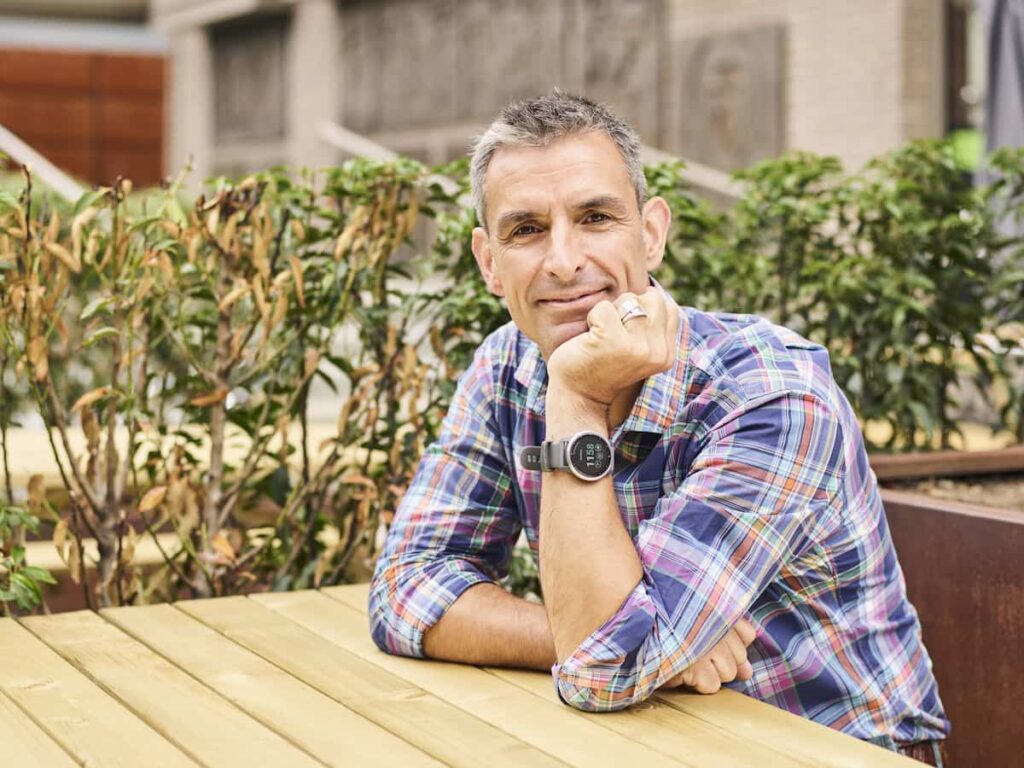
Simon Blake | CEO | Stonewall
Simon Blake’s journey to becoming a CEO was not something he planned from the beginning. His career developed through a series of opportunities, hard work, and a willingness to say yes. As a young gay man, he was strongly motivated to prove that he was capable and good enough. This determination encouraged him to take on new challenges and learn from every experience. One of the most important influences on his leadership journey was a brilliant manager named Gill, who gave him opportunities to grow and taught him valuable lessons about building strong teams, creating space for thoughtful decisions, and continuously challenging oneself. These lessons continue to shape the way Simon approaches leadership today.
EliteX proudly features Simon Blake in this edition, recognizing a distinguished journey of leadership, innovation, and meaningful impact.
For Simon, becoming a CEO represents both responsibility and privilege. He does not see leadership simply as a position of authority, but as an opportunity to make a meaningful difference. His personal ambition is straightforward: to leave the world a little better than he found it. He understands the responsibility that comes with leading an organisation and believes that this privilege should be honoured through courage, humanity, and humility. These values guide the way he works with colleagues, supporters, communities, and partners.
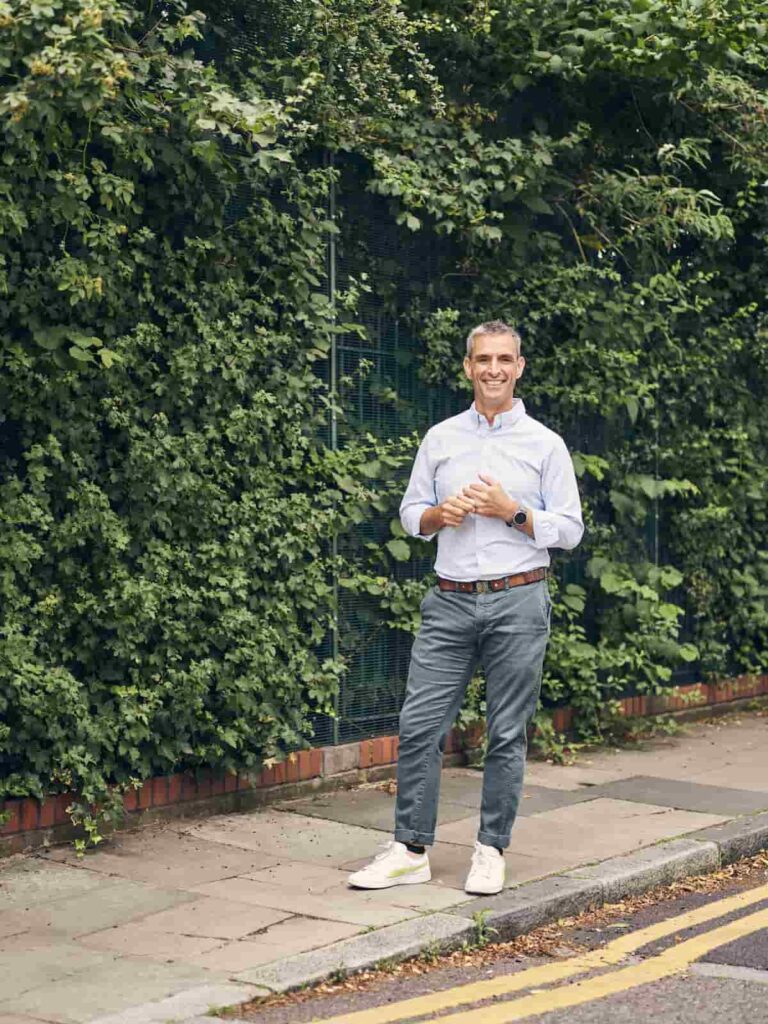
Long-term change requires patience, focus, and bringing people together.
As CEO of Stonewall, Simon operates in an environment where the challenges are complex. Charities are working with limited resources while responding to increasing levels of need and scrutiny. At the same time, organisations must understand how technology, artificial intelligence, and social media are changing the way people communicate and engage with important issues. For the LGBTQ+ community, polarisation and division have created additional challenges. Simon believes organisations must respond by creating workplaces where equity, wellbeing, and performance support one another. People should be able to perform at their best while also feeling valued, supported, and proud of where they work.
Simon believes effective strategy begins with listening. At Stonewall, the organisation’s strategy has been shaped by listening to LGBTQ+ communities, partners, and employees. Rather than attempting to do everything at once, the organisation focused on a smaller number of clear priorities. This approach also required understanding when Stonewall should lead, when it should bring people together, and when it should amplify the voices of others. Simon recognises that meaningful social change cannot happen overnight. It requires communities and organisations to work together with patience, determination, and focus.
Innovation is another important part of his leadership philosophy. Simon does not believe new ideas should come fully formed from the top of an organisation. Instead, leaders should create an environment where people can test ideas, learn quickly, and openly acknowledge when something is not working. This approach allows innovation to develop naturally while reducing the fear of failure. He saw the value of this approach during Stonewall’s major overhaul of its Proud Employers programme, where creating room for new thinking helped the organisation respond to changing needs.
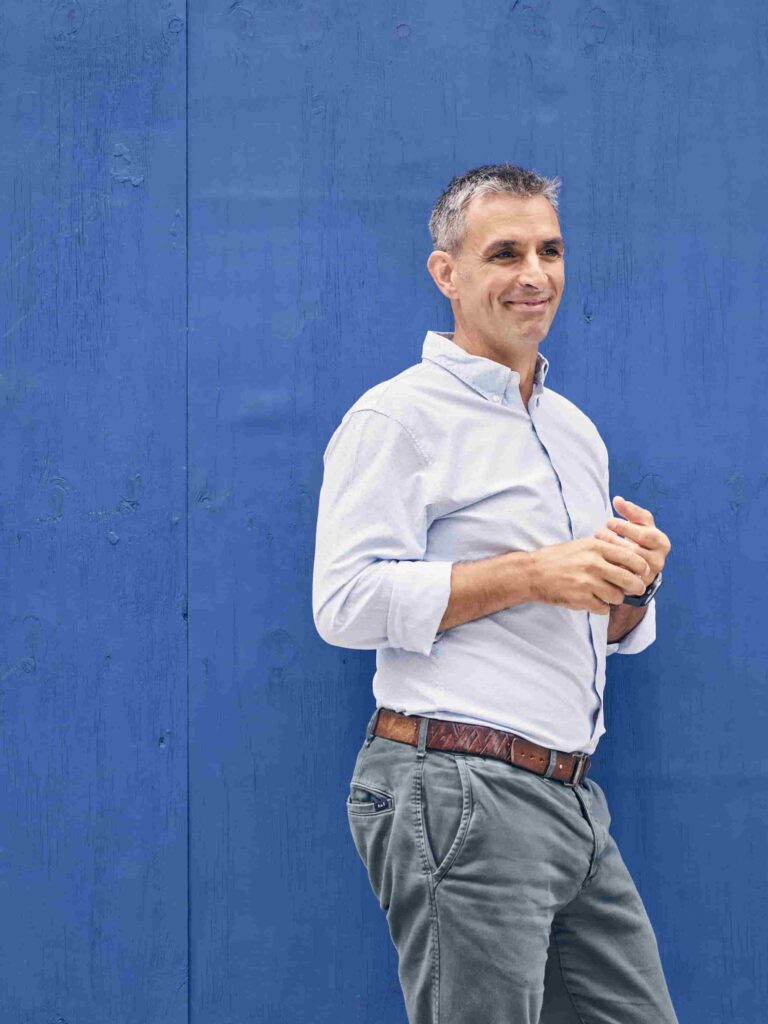
Strong teams need trust, clear purpose, and the freedom to be human.
Technology and artificial intelligence are also becoming increasingly important to Stonewall’s transformation. Simon sees technology as a way to reach more people, understand supporters more effectively, and ensure resources are directed towards areas where they can have the greatest impact. Like many charities, Stonewall has recognised that it needs to accelerate its progress with AI. With support from its pro bono partner & Us, the organisation has been making significant progress in understanding and applying AI in useful ways.
For Simon, strong organisational culture is created through everyday actions. It is reflected in how people work together, how they disagree, how they support one another, and how achievements are celebrated. He believes Stonewall must remain a place where people can be themselves. Strong teams need trust, clearly defined responsibilities, and the freedom to be human. Leaders also have an important role to play in encouraging their teams. Simon sees the CEO as someone who should cheerlead people, create confidence, and help talented individuals do their best work.
The last two years have brought significant change to Stonewall. Simon believes three principles have helped the organisation navigate this period: honesty and clarity about why change is needed and what success looks like, involving the people who understand the challenges best in creating solutions, and acting quickly while communicating effectively. These principles have helped the organisation move through transformation while keeping employees, supporters, and stakeholders connected to its wider purpose.
Stonewall’s long history also provides an important foundation. Since 1989, it has played a central role in progressive change for LGBTQ+ communities. Simon believes its continued relevance comes from evidence-based work, determined advocacy, and providing support and information that people can genuinely use. One of the achievements he is particularly proud of is the transformation Stonewall undertook after he joined. The organisation needed to develop a new strategy, Unity and Courage is Hope, address its structural deficit, and transform the Proud Employers programme while operating against a challenging external backdrop. The team’s ability to move through this period with clarity and confidence, while bringing stakeholders and supporters with them, was a significant achievement.
Throughout his career, Simon has learned that leadership begins with purpose. Leaders need to believe in what they are doing, understand where they want to go, and build teams whose skills complement their own. He believes trust allows people to be brave and vulnerable together. He also emphasises the importance of creating space to think, asking good questions, listening carefully, and making decisions when required. Leaders should be willing to speak honestly, recognise when they fall short, and take care of themselves. In his view, people often take their cue from their leaders, making personal authenticity and resilience essential qualities.
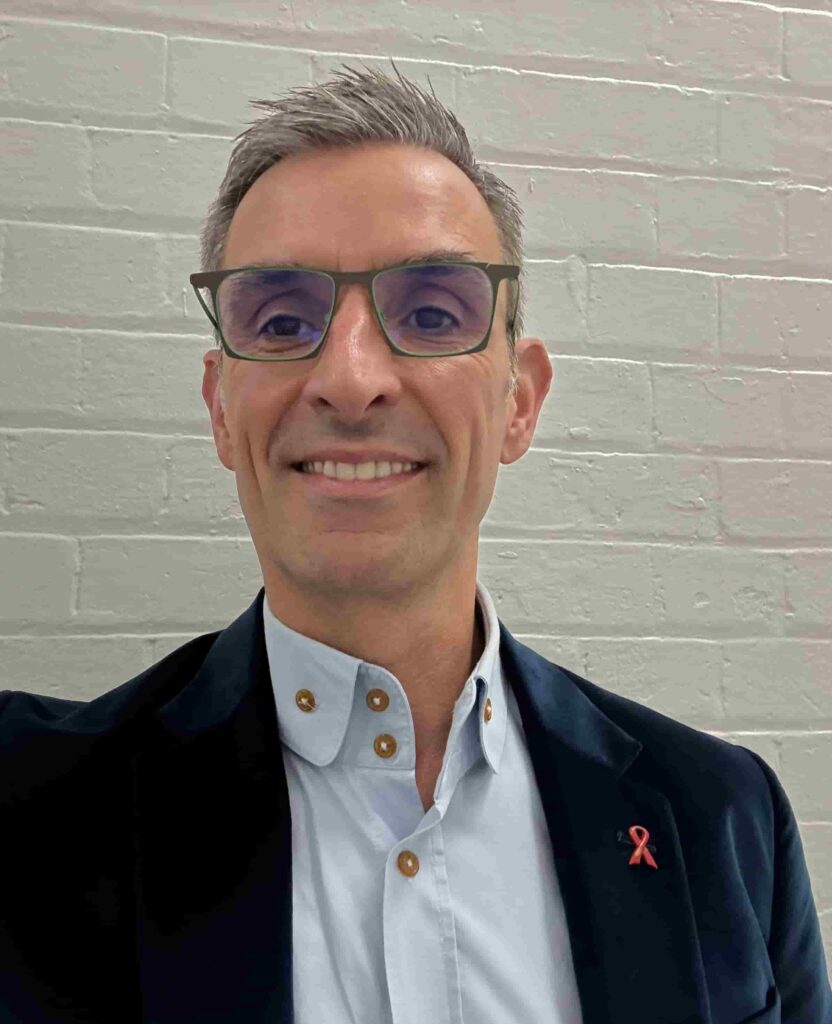
Leadership is about using privilege with courage, humanity, and humility.
Looking ahead, Simon’s vision is deeply connected to belonging and equality. He wants young people to grow up knowing that they belong and adults who did not experience that sense of belonging to have opportunities to heal and grow into their power. He hopes to see the UK once again become a world leader in LGBTQ+ equality, with rights protected through law and reflected in everyday life. For Simon, the ultimate goal is a fairer and more equal world where lesbian, gay, bi, trans+ and queer people can live with dignity, safety, confidence, and a genuine sense of belonging.