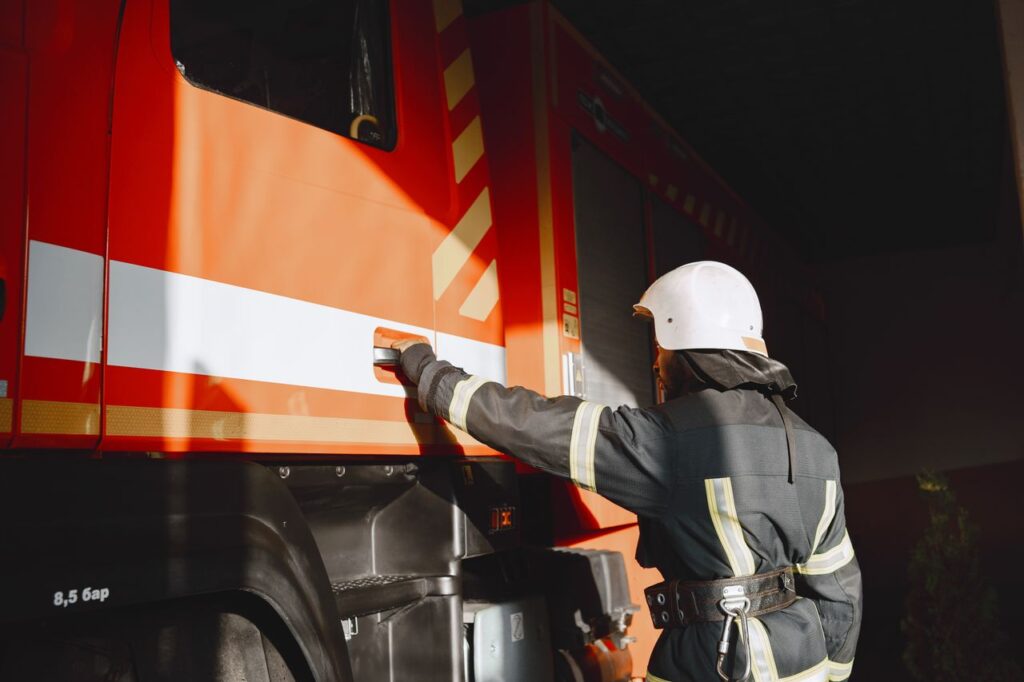
Heavy equipment helps workers finish difficult jobs faster, whether they are moving materials, digging trenches, lifting loads, or working at a construction site. But these machines can also cause serious accidents when they are used the wrong way. A small mistake, such as turning too quickly or lifting an uneven load, can damage equipment, injure workers, or bring an entire job to a stop.
Proper equipment training helps prevent these problems by teaching workers how to use machines safely and handle common risks. It also helps businesses avoid repair costs, lost work hours, and other expenses that follow workplace accidents. Here are some of the main ways training makes a difference.
Proper equipment training helps employees understand how to operate workplace machinery safely, follow the correct procedures, and reduce the risk of accidents.
1. How Proper Equipment Training Improves Equipment Safety
Every machine has its own controls, limits, and safety rules. A forklift, for example, works differently from an excavator or skid steer. Workers need to understand these differences before they start using the equipment on a busy job site.
Training teaches operators how to start, move, turn, lift, and use machines safely in the workplace. They also learn how to use attachments and stay within the machine’s limits.
This knowledge helps prevent common mistakes, such as carrying loads that are too heavy, driving too fast, or using the wrong attachment for a task. Workers who understand their equipment are also more likely to notice when something feels wrong.
Effective proper equipment training ensures that workers understand machine controls, safety features, and the correct operating procedures before using any equipment.
2. Training Helps Workers Spot Hazards Early
Many equipment accidents happen because workers fail to notice a danger before it becomes a problem. A blocked path, soft ground, overhead wires, or a person standing too close to a machine can quickly create a risky situation.
Good training teaches workers to check their surroundings before moving equipment. They learn to look for hazards, plan their movements, and keep a safe distance from other people and objects.
For example, a forklift operator should know how to check for pedestrians and blind spots before moving a load. An excavator operator needs to watch for underground services and people working nearby. These checks may take a few extra minutes, but they can prevent serious injuries and costly damage.
Proper equipment training also improves workplace productivity by helping employees operate machinery confidently and avoid unnecessary operational errors.
3. Operators Learn to Inspect Equipment Before Use
A machine that looks fine from the outside may still have a problem that affects how safely it works. Worn tyres, damaged hoses, faulty brakes, and leaking fluids can all lead to accidents. Training helps workers understand what to check before starting a machine.
Depending on the equipment, this may include:
- Tyres, tracks, and wheels
- Brakes and steering controls
- Hydraulic hoses and visible leaks
- Lights, alarms, and warning signals
- Safety belts and other protective features
Workers should also know how to report problems instead of trying to operate equipment that may be unsafe. Finding a fault early can prevent a breakdown or accident during a job.
4. Proper Training Helps Prevent Costly Equipment Damage
Workplace accidents can be expensive, even when no one gets hurt. A damaged forklift or loader may need costly repairs, while a broken attachment can delay several tasks at once. Poor equipment use can also cause damage to nearby buildings, vehicles, materials, and work areas. For example, an operator who does not understand load limits may damage a machine by lifting more weight than it can safely handle.
Training teaches workers how to operate equipment within its limits and use the right methods for each task. This helps reduce unnecessary wear and tear while keeping machines in better working condition.
5. Training Helps Businesses Meet Alberta Safety Rules
Employers here in Alberta have a duty to make sure workers are properly trained before they operate powered mobile equipment. Under Part 19 of Alberta’s Occupational Health and Safety Code, operators must be trained, demonstrate they can use the equipment safely, understand its operating instructions, and have employer permission.
This means businesses should not assume that a worker can operate a machine safely just because they have used something similar before.
Workers and employers can sign up for Mobile equipment courses in Alberta to build the skills needed to operate equipment such as forklifts, skid steers, excavators, wheel loaders, and telehandlers. The training includes theory and practical skill assessments, helping operators understand safety rules and show that they can handle the equipment.
6. Skilled Operators Help Keep Other Workers Safe
Equipment safety is about more than the person sitting behind the controls. Other workers may be walking nearby, moving materials, guiding vehicles, or working in areas where heavy machines are in use.
A trained operator knows how to work around other people and communicate before moving equipment. They also understand the need to use warning signals, watch blind spots, and follow site rules. This creates a safer work area for everyone. It also helps prevent accidents that can happen when workers are unaware of a machine’s movement or an operator cannot see someone nearby.
7. Regular Training Helps Keep Safety Skills Fresh
Even experienced operators can develop bad habits over time. They may skip inspections, take shortcuts, or become too comfortable with certain tasks. New equipment, different job sites, and changes in work conditions can also bring new risks.
Refresher training gives workers a chance to review safe practices and improve their skills. It can also help businesses make sure operators understand changes in equipment, workplace rules, and safety needs. In Alberta, PME course certificates are generally valid for three years, so employers should keep track of training records and plan ahead when workers need to renew their qualifications.
Companies that invest in proper equipment training create safer working environments, improve employee confidence, and reduce equipment-related risks.
Power Equipment Training – Wrapping Up
Proper equipment training helps prevent accidents by giving workers the knowledge and skills to handle machines safely. It also helps businesses reduce repair costs, avoid delays, and protect everyone on the job site.
Employers should make sure workers receive the right training before operating equipment and continue to support safe work habits over time. A well-trained operator can make a big difference to how safely and smoothly a job gets done.