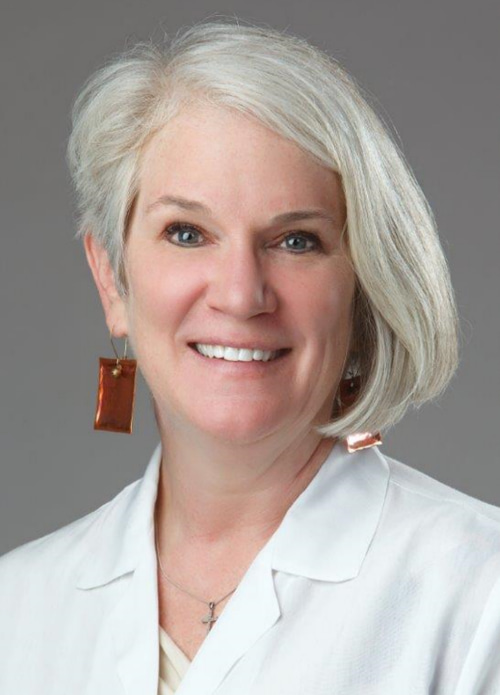
Maria Kunstadter’s journey as a CEO has been shaped by her experience as a dentist and her strong belief that people should be able to receive dental support when and where they need it. Throughout her career, she has seen how oral health is often treated separately from the wider healthcare system, creating challenges for patients who face delayed treatment, limited access, and uncertainty about where to seek help.
Maria Kunstadter | CEO | The TeleDentists
These experiences became the foundation for her leadership journey and eventually led to the creation of The TeleDentists.
EliteX proudly features Maria Kunstadter in this edition, recognizing a distinguished journey of leadership, innovation, and meaningful impact.
Kunstadter co-founded The TeleDentists in 2014 with the goal of making dental expertise more accessible through technology. The company spent two years developing and testing its platform before launching through a white-label partnership in 2018. In 2019, it introduced a direct-to-consumer service. This was well before the COVID-19 pandemic made virtual healthcare a familiar part of everyday life. Building the company during those early years gave Kunstadter valuable lessons about leadership, innovation, and the importance of staying focused on a real problem.
Purpose drives meaningful change.
For Kunstadter, business transformation is not simply about introducing new technology. It is about rethinking how an organisation creates value as customer and patient needs evolve. Technology can support transformation, but meaningful change also requires improvements in workflows, relationships, and the way organisations measure success. At The TeleDentists, this has meant taking dental expertise beyond the traditional dental office and finding ways to make it available across different parts of the healthcare system.
A patient may need dental guidance while visiting a medical practice, an emergency department, or even at home after regular office hours. By creating new pathways to dental care, Kunstadter and her team are working to reduce this gap. The company has expanded from a virtual consultation service into a broader healthcare infrastructure supporting dental triage, care coordination, and cost containment. Its partnerships with organisations such as Aetna and Anthem have also helped bring dental access into larger healthcare offerings.
Another important part of this growth has been the development of a network of more than 200 trained teledentists. This network provides a foundation for serving patients at scale while maintaining access to qualified dental professionals. The company is also exploring new models for medical-dental integration, emergency department support, and preventive care. The wider goal is to make dental expertise easier for healthcare organisations to include within their existing services and help patients move from an immediate concern toward appropriate treatment and long-term dental care.
Kunstadter believes that a strong vision begins with a simple purpose. For her, that purpose is the belief that oral health belongs in healthcare and access to dental expertise should be easier. She communicates this vision by connecting it to the needs of different stakeholders. Patients need timely answers and clear next steps, clinicians need dependable support, healthcare organisations need practical solutions, and payers need services that demonstrate value. When employees understand how their individual responsibilities contribute to this larger purpose, the vision becomes more meaningful.
Technology is also playing an increasing role in the company’s future. Kunstadter and her team are exploring AI-assisted oral assessments that can support screening and help clinicians identify concerns requiring further evaluation. Automation can simplify processes such as patient intake, documentation, and follow-up coordination, allowing healthcare professionals to spend more time focusing on patients. Data analytics can also provide valuable insights into access, utilisation, patient experience, and referral outcomes.
Innovation should solve real problems.
At the same time, Kunstadter understands that healthcare innovation requires responsibility. New ideas must be considered carefully in relation to patient safety, clinical usefulness, regulations, and operational feasibility. This approach has helped her navigate some of the major challenges involved in introducing teledentistry. In the early stages, the company had to educate people about what virtual dental care could achieve, where its limitations were, and how it could support appropriate in-person treatment.
The complexity of healthcare has presented additional challenges, including differences in licensing, clinical requirements, reimbursement structures, and partner workflows. Kunstadter has responded by combining persistence with flexibility. Rather than forcing one model into every situation, she focuses on building strong clinical and operational foundations and adapting solutions to the needs of partners and patients.

She also places strong importance on creating a culture where employees can ask questions, identify problems, and suggest improvements. In her view, the people closest to patients and everyday processes often notice opportunities for improvement first. Collaboration is particularly important because dental care connects with medicine, technology, insurance, and community services. Bringing different perspectives together helps the organisation make stronger decisions.
One of Kunstadter’s proudest achievements is building The TeleDentists before virtual healthcare became mainstream. When the pandemic disrupted traditional healthcare delivery, the foundation created by the company became especially valuable. The rapid growth experienced in 2020 demonstrated the demand for accessible dental guidance and showed the importance of being prepared before a major change arrives.
Looking ahead, Kunstadter’s priorities include strengthening healthcare partnerships, expanding access in underserved communities, and developing sustainable models that connect screening, virtual assessment, prevention, referral, and follow-up. Her broader vision is for oral health to become a routine part of healthcare, giving patients a clear pathway to dental expertise wherever they enter the healthcare system.
For future CEOs, Kunstadter’s leadership journey offers a clear lesson: stay close to the problem being solved, listen carefully to patients and teams, remain committed to purpose, and stay flexible about the path forward. Sustainable leadership requires both conviction and the willingness to learn. By combining clinical understanding, technology, collaboration, and a focus on access, Maria Kunstadter continues to work toward a healthcare model in which dental care is more connected, convenient, and available to the people who need it.
Better access creates better care.