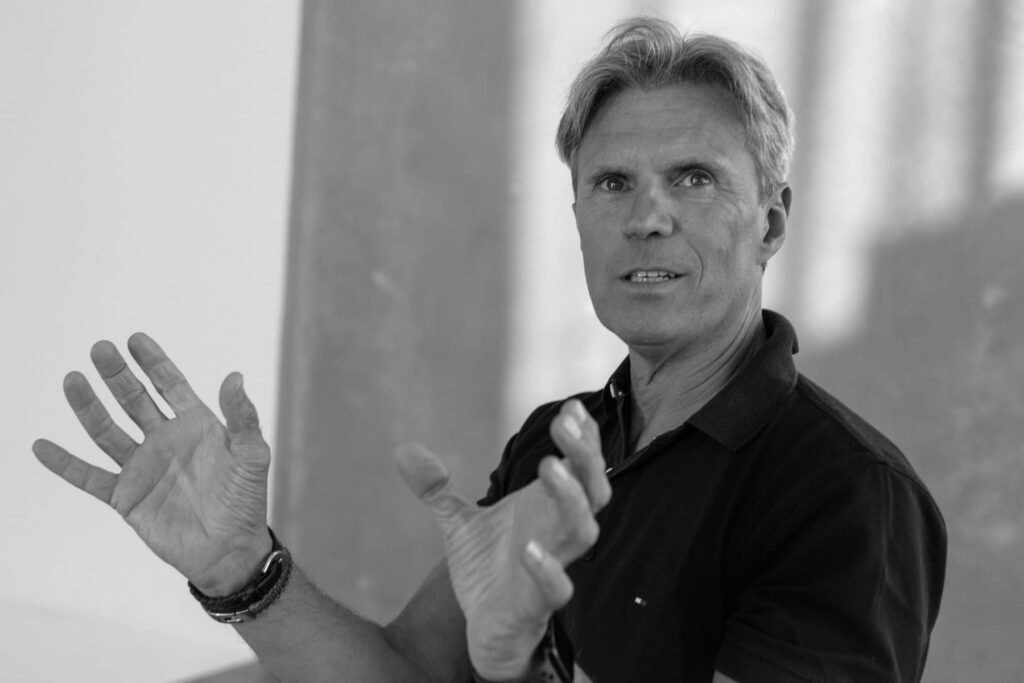
Christoffel Sneijders | Executive Coach MCC & Founder | 3 Brains Intelligence™
Christoffel Sneijders is an ICF Master Certified Coach and Supervisor, and the founder of 3 Brains Intelligence, based in Madrid, Spain. His professional journey spans several countries, industries and areas of expertise, including sales, leadership development, clinical hypnotherapy, psychotherapy and coaching. Over the years, he has developed a strong understanding of human behaviour and the different ways people think, feel and make decisions. His work today focuses on helping leaders and coaches understand and use three centres of intelligence: the head, the heart and the gut.
EliteX proudly features Christoffel Sneijders in this edition, recognizing a distinguished journey of leadership, innovation, and meaningful impact.
His career began in sales and leadership in the Netherlands, where he developed an interest in understanding people and what drives their actions. He later became a partner at Krauthammer, where he trained leaders, sales professionals and coaches across Europe. This experience gave him valuable insights into leadership development and behavioural change. He then moved to Perth, Australia, where he spent nine years running his own school for clinical hypnotherapy, psychotherapy and Neuro-Linguistic Programming (NLP). Alongside this, he continued working as a business coach for board members at organisations such as Clough and Woodside. His interest in business and sales remained an important part of his professional identity. Eventually, his journey brought him to Spain, where he established 3 Brains Intelligence.
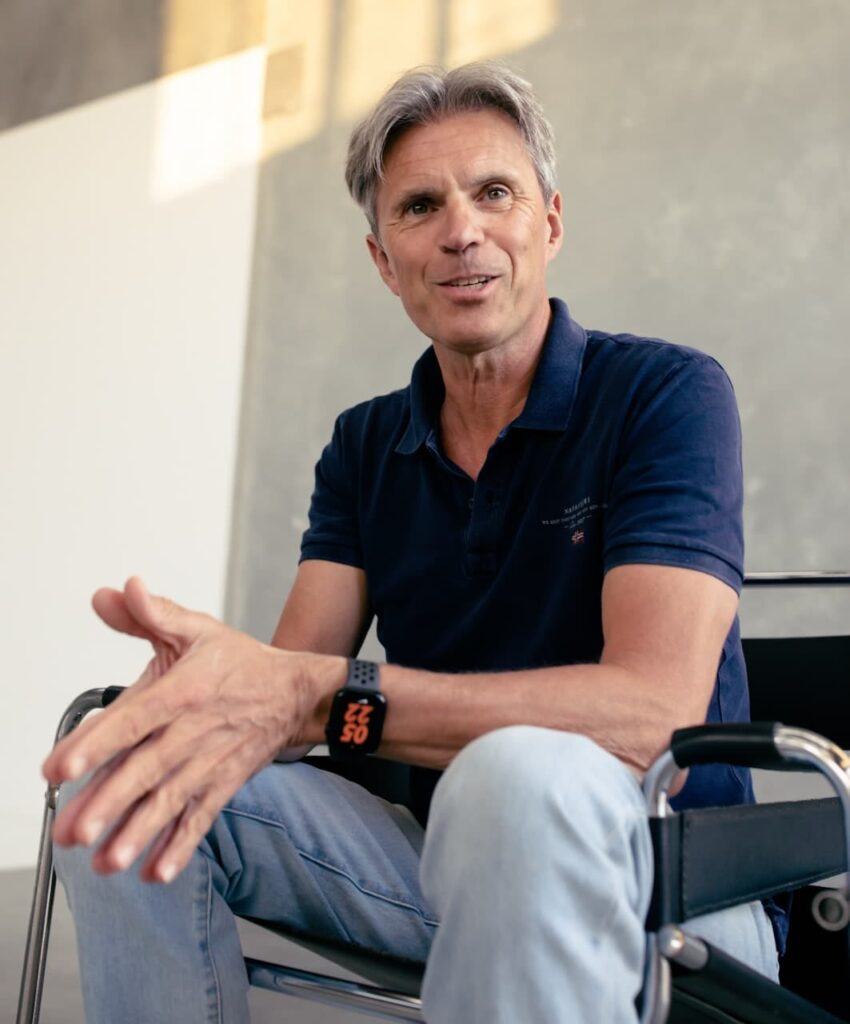
“Build your career on your real strengths.”
For Christoffel, leadership was driven more by curiosity than ambition. He wanted to understand why people behave in certain ways and how their thoughts, emotions and instincts influence their decisions. He saw leadership as an opportunity to help more people grow by understanding themselves better. However, one of the most important lessons in his journey came through a difficult personal experience. At a time when his career appeared successful, he experienced serious burnout. Having spent years pushing himself forward, a habit developed through sports and triathlons, he had pushed past the signals of his body, his heart longing to belong and his gut wanting to win, while his head, which might have told him to stop, was barely heard. His body eventually forced him to stop and reconsider his approach to life and work. The question of what he was missing became the starting point for further learning and research, eventually leading to the development of the 3 Brains concept.
Another defining experience was moving to Australia without work or friends and starting his life again. Determined to succeed, he chose to face the uncertainty rather than return home feeling defeated. These experiences taught him the importance of resilience, self-confidence and trusting his instincts. Having restarted his career in three different countries, he understands that professional growth often requires people to step outside their comfort zones and believe in their abilities.
His leadership style is based on working alongside people rather than simply directing them. Curiosity, compassion, trust and honesty guide his decisions. He believes effective leadership requires more than logical thinking. The head helps people analyse situations, the heart allows them to understand emotions and relationships, while the gut provides instinct, courage and the drive to take action. According to him, decisions become more balanced when all three centres are considered. Ignoring any one of them can create problems later.
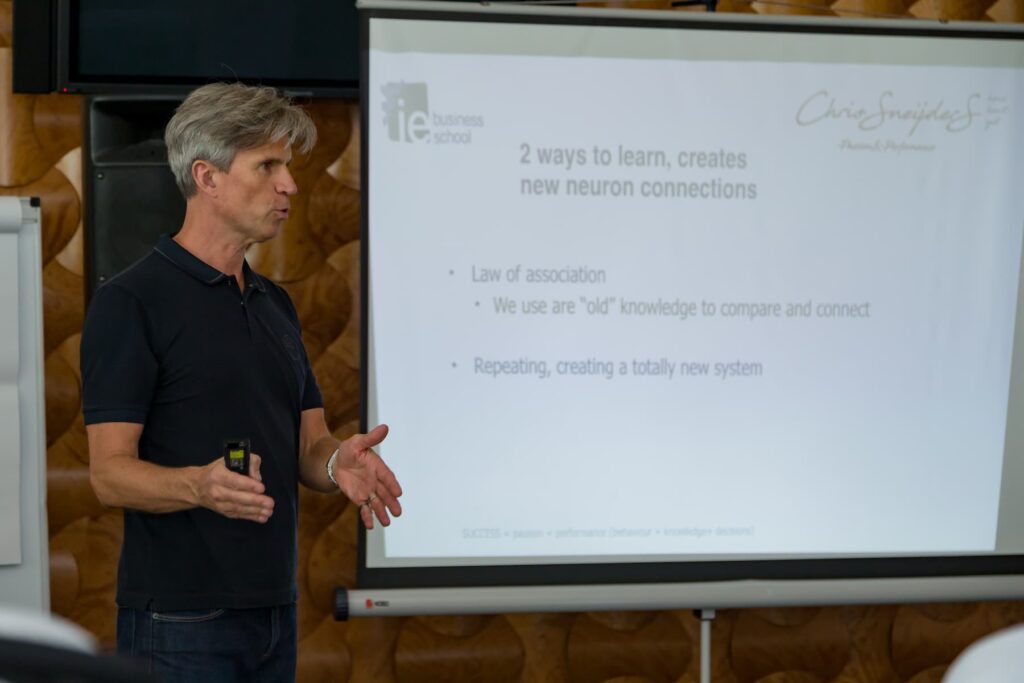
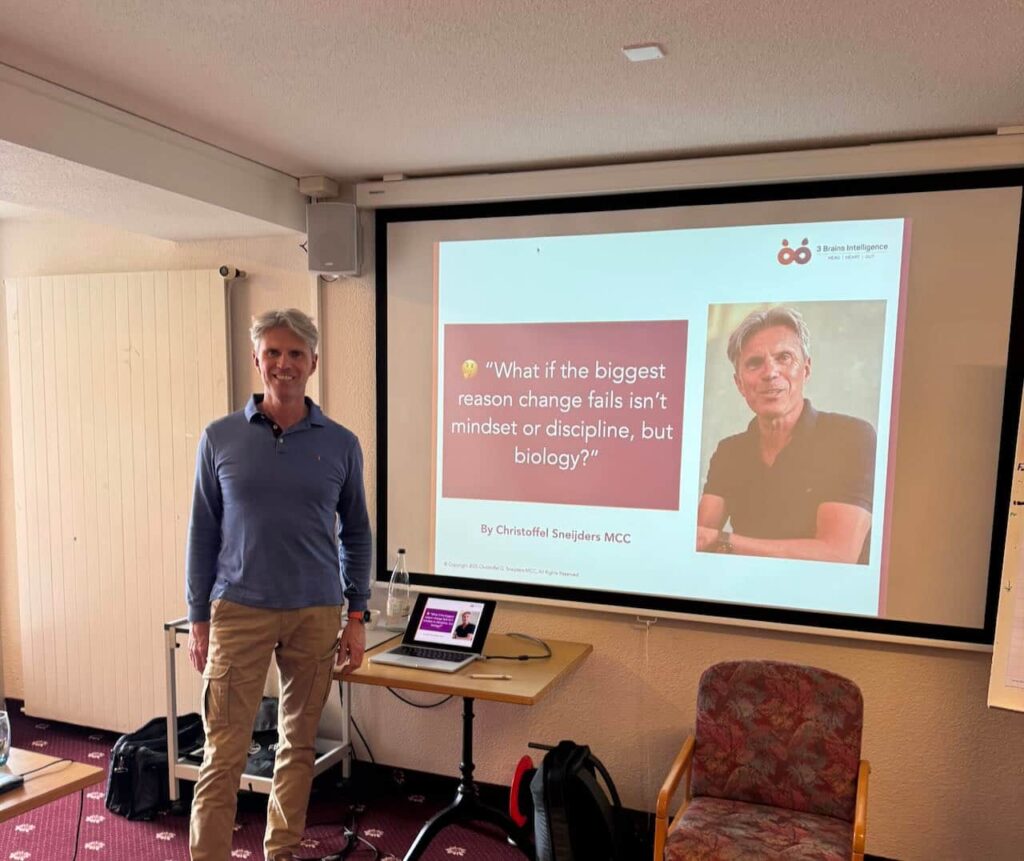
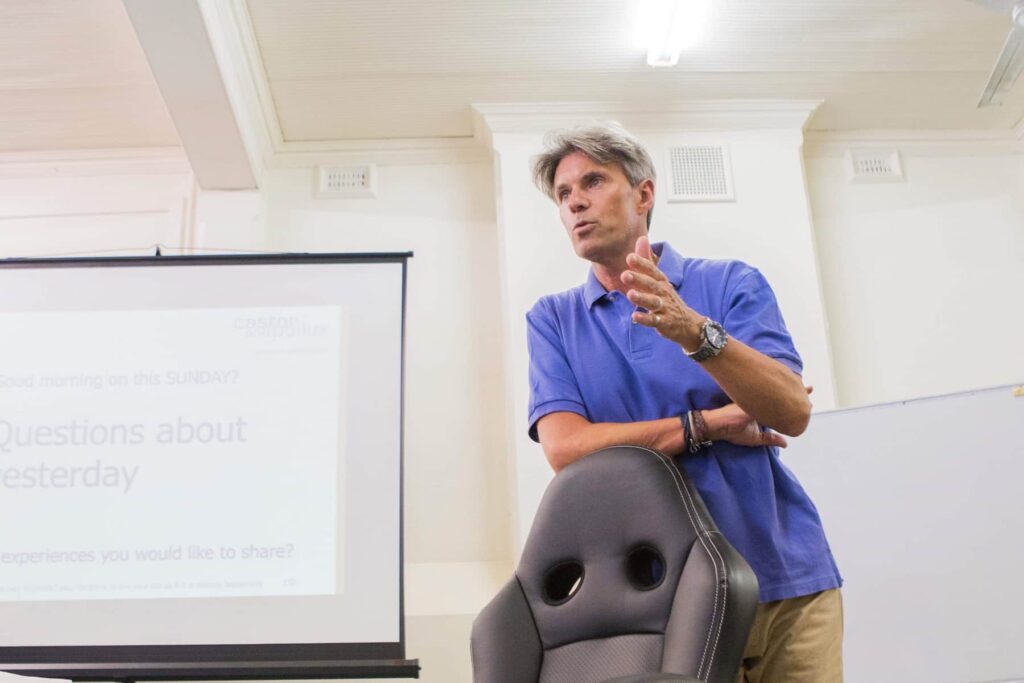
This belief also shapes his understanding of modern leadership. In a rapidly changing business environment, leaders must be able to understand people and situations beyond what numbers and reports reveal. Data is important, but so is the ability to sense what is happening within a team. His research involving more than 6,000 people indicates that senior leaders tend to demonstrate greater balance across the three centres of intelligence. He believes this ability to use the head, heart and gut contributes to effective leadership and professional success.
Building trust within a workplace is another important part of his approach. Christoffel believes leaders must lead by example and recognise that employees bring their whole selves to work. People are not simply performing tasks; they have emotions, personal experiences and individual strengths. He encourages leaders to delegate responsibilities and give people the confidence to perform. When he checks on someone’s work, his intention is to recognise achievements and offer encouragement rather than look for mistakes. This creates an environment where people feel trusted and motivated to take responsibility.
“Trust all three centres of your intelligence.”
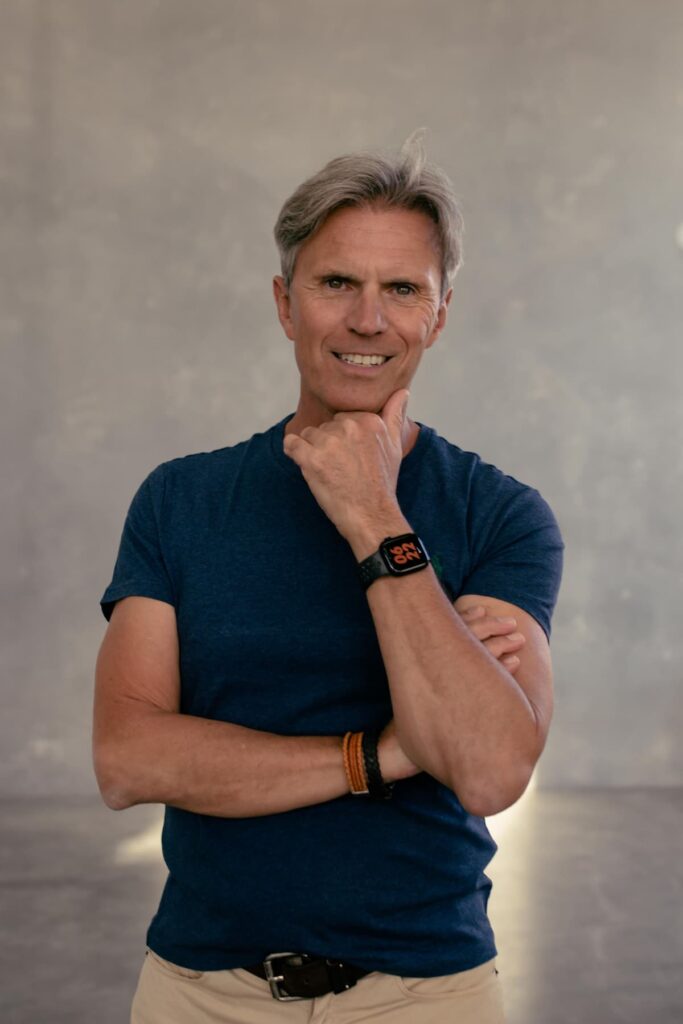
One of his proudest achievements is developing 3 Brains Intelligence into an international training programme from Spain, despite initially facing language and other challenges. Today, around 350 coaches across 42 countries use the approach. Its coach certification carries 40 ICF Continuing Coach Education Units (CCEUs), 33 of them in Core Competencies, helping professionals develop their coaching knowledge and skills. The programme allows coaches to take the concept into their own practices and share it with clients around the world. More recently, the introduction of the Team Test has expanded its application, allowing coaches to assess leaders and their teams side by side.
For Christoffel, innovation and business growth require a balance between informed decisions and listening to people. He believes in taking one considered risk each day, studying data to understand what works while paying close attention to feedback from clients and participants. Their experiences and suggestions help him improve the training programmes and develop new solutions.
His advice to aspiring professionals is to build their careers around their genuine strengths instead of trying to become someone they are not. He encourages people to develop all three centres of intelligence and understand how each contributes to their decisions and actions. Just as an athlete cannot become a champion by pretending to have abilities they do not possess, professionals must recognise their natural talents and continue developing them.
Looking ahead, Christoffel wants 3 Brains Intelligence to become a recognised part of leadership development and coaching across the world. He hopes to see the approach used in teams, boardrooms and coaching environments while continuing to develop his work and complete his next book. His vision is to help people stop relying on only one centre of intelligence and learn to trust their complete potential. Through his work, he aims to create leaders who understand themselves, connect better with others and make decisions with greater awareness.
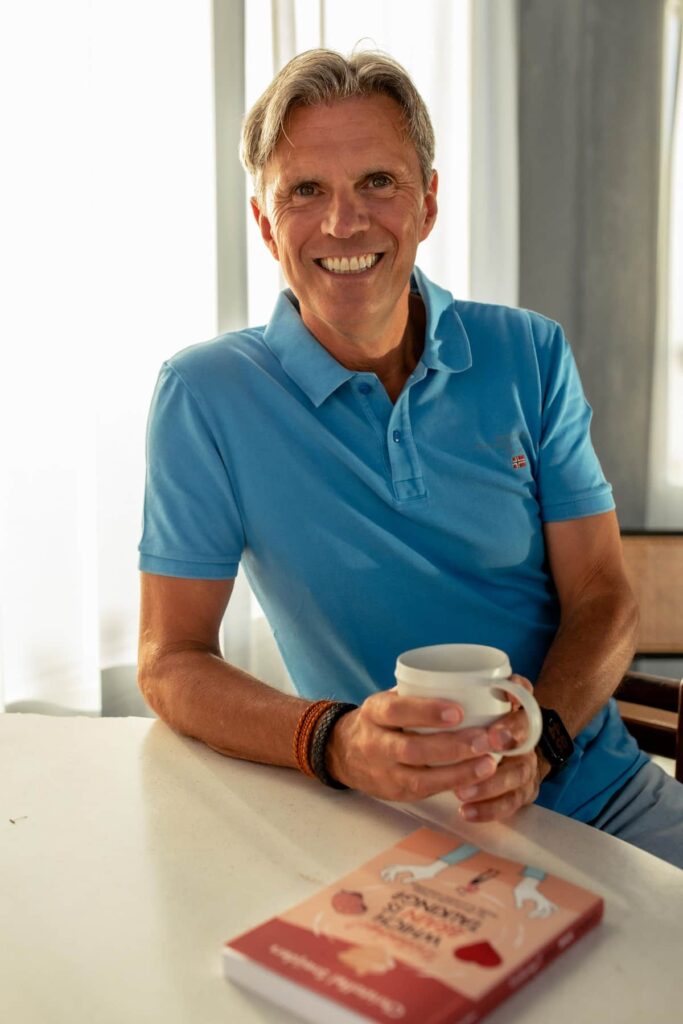
“Lead with your head, heart and gut.”
Readers can discover their own 3 Brains profile with the free test at www.3brainsintelligence.com