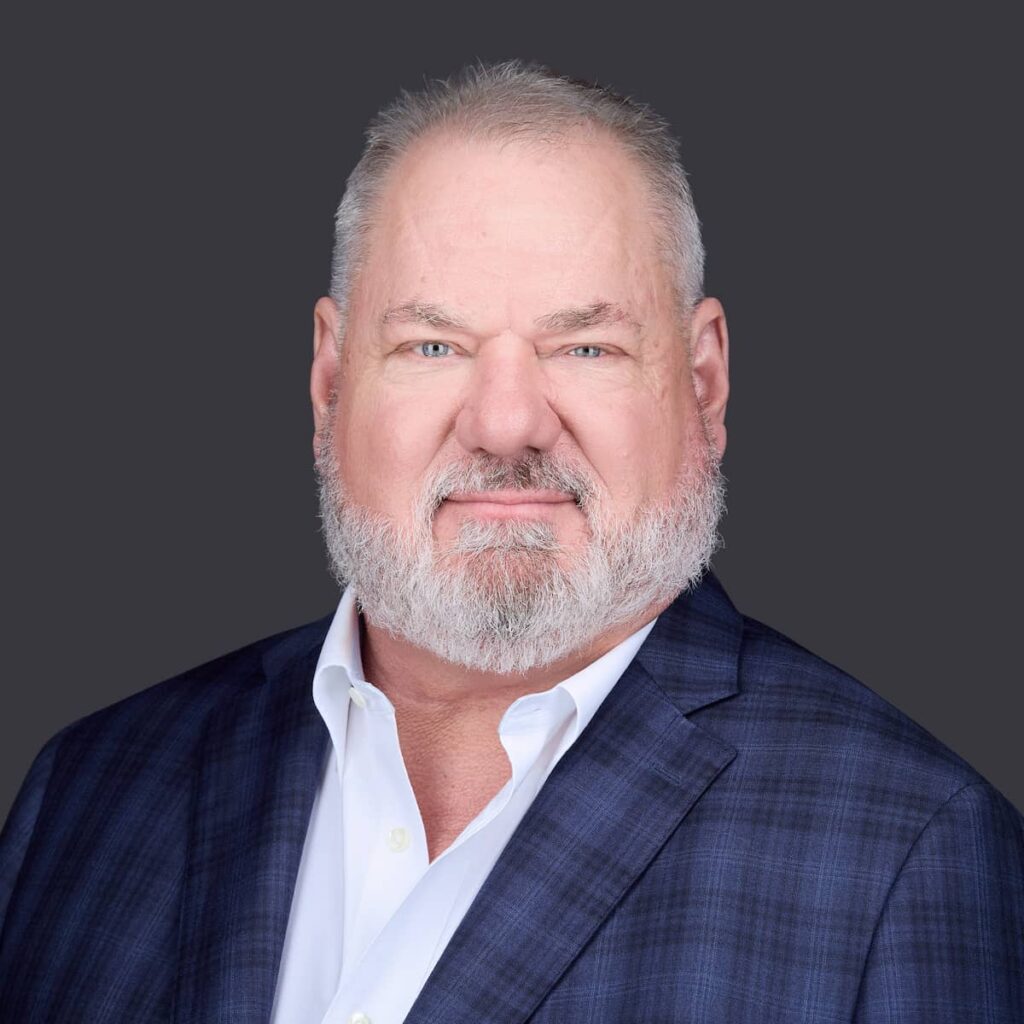
Alan Cahill, President and CEO of VINCI Construction USA, has spent more than four decades in the construction industry, and his story is a simple one. He did not set out with a plan to become a chief executive. He started in the field, learned the work from the ground up and kept taking on more responsibility as it came his way. Today he leads VINCI Construction USA, yet the lessons that guide him are the same ones he picked up on his first job sites. Good work comes from good people, and a leader’s first duty is to look after them.
Alan Cahill | President and CEO | VINCI Construction USA
EliteX proudly features Alan Cahill in this edition, recognizing a distinguished journey of leadership, innovation, and meaningful impact.
Alan began his career in 1984 as a Project Superintendent in Florida. Those early years were spent working directly on projects, close to the crews, the equipment and the daily challenges of getting a building finished. He often says the field shaped him more than anything else. It taught him quickly that nothing happens without the right people, and he has tried never to lose sight of that as his responsibilities have grown.
“Just because you said something doesn’t mean everybody heard it or understood it.”
Over time, Alan moved into different management roles. He became Vice President of Construction at Blythe, and later served as President and CEO of the company. He then went on to become President and CEO of VINCI Construction USA. Looking back, he describes the path in modest terms. He worked hard, learned from the people around him, said yes when new opportunities appeared and tried to do his best in whatever role he held. For him, the title was never the goal. The job in front of him always was.
At this stage of his career, Alan sees his role in three parts. He wants the right people in the right positions, he wants everyone to understand where the company is going, and he wants them to have the support they need to get there. He believes leadership works best when it is not overcomplicated. The priorities at VINCI Construction USA are clear and easy to repeat: safety, people, quality, productivity and delivering the results the company has promised.
Accountability sits at the center of how Alan leads. He uses the phrase Do Your Job quite often, and he is quick to explain that it is not meant to sound harsh. To him it means knowing what is expected of you, taking ownership, helping the people around you and following through. He believes that when everyone does this, most of the other pieces of a project and a company fall into place. It is a plain idea, but it reflects the practical way he looks at the business.
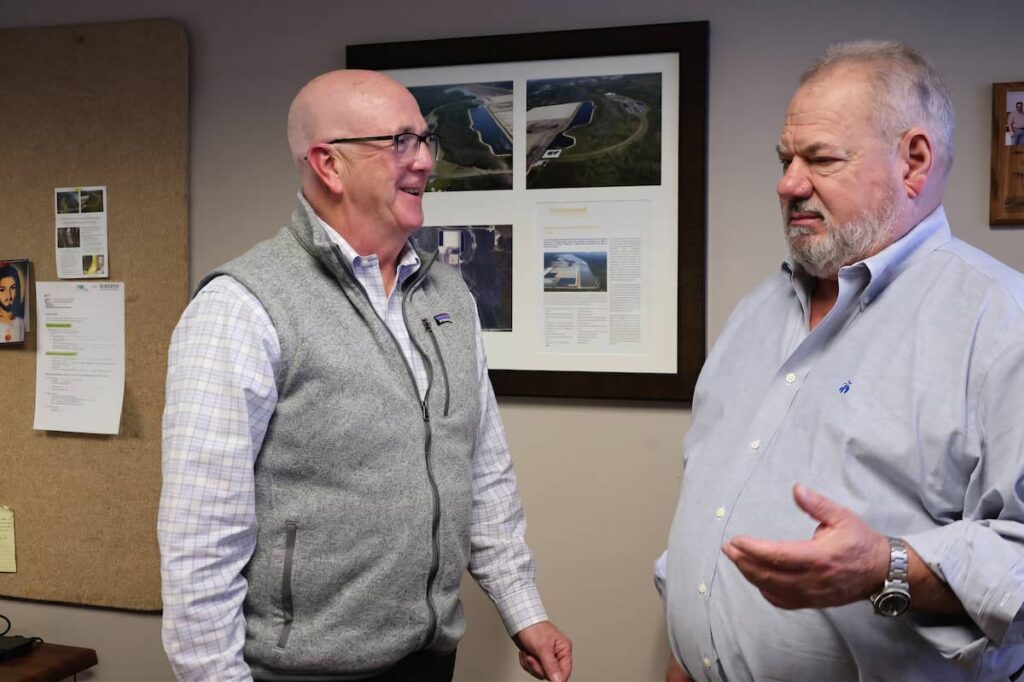
Alan describes himself as a direct person, and those who work with him generally know where he stands. He believes in being clear about expectations, giving people room to do their jobs and then holding them to account. In his view, accountability is not only about mistakes. Sometimes people need coaching, sometimes they need encouragement, and sometimes a difficult conversation is the right thing. What matters is that the conversation happens honestly and with respect.
He also believes leaders must be visible and approachable. A construction company, he says, cannot be run entirely from behind a desk. Alan still enjoys getting out into the field, talking with the teams and hearing what is really going on. Those conversations give him a clearer picture than any report can. Above all, he tries to treat people fairly and with respect. People will not always agree, he notes, but they can always be honest with each other.
The growth of VINCI Construction USA has been significant, but Alan has never believed in growing just to become bigger. In his view, growth is only worthwhile if it makes the organization stronger. That means being disciplined about the work the company takes on, taking good care of customers, investing in people and always looking for ways to improve. A lot of the company’s success, he says, comes from knowing who it is and what it does well.
“Experience doesn’t make you immune to an accident.”
The company has also been willing to change. Alan points out that markets change, customers change and even the way buildings are built changes over time. His view is that a company should respect its history without being afraid to evolve. At the same time, he returns to the same point again and again. Great equipment, modern systems and new technology only take a company so far. In the end, success depends on good people who care about what they are doing.
Safety is the subject on which Alan speaks with the most passion. He has always believed that safety and operational excellence go hand in hand. A well-planned job is generally a safer job, and a safe, well-organized job is usually a productive one. VINCI Construction USA has good systems and processes, but Alan is clear that safety cannot be managed through policies and procedures alone. It has to become personal for every person on site.
He is also honest about one of the quieter risks in the industry. Experience does not make anyone immune to an accident, and it can sometimes work against a person when familiarity turns into complacency. Alan believes nobody should ever become comfortable around risk. His message to the teams is simple. Take a few seconds to think about what you are about to do, look after the person next to you, and never walk past something you know is not right. Safety, he says, has to be something the company lives every day.
Alan also believes that strong leadership shows up in small, everyday choices. He pays attention to how a message is delivered, how a problem is raised and how credit is shared. He knows that teams watch their leaders closely, and that habits such as listening carefully, admitting mistakes and keeping promises set the tone for everyone else. This quiet consistency, more than any speech or strategy document, is what he hopes people remember about the way he led.
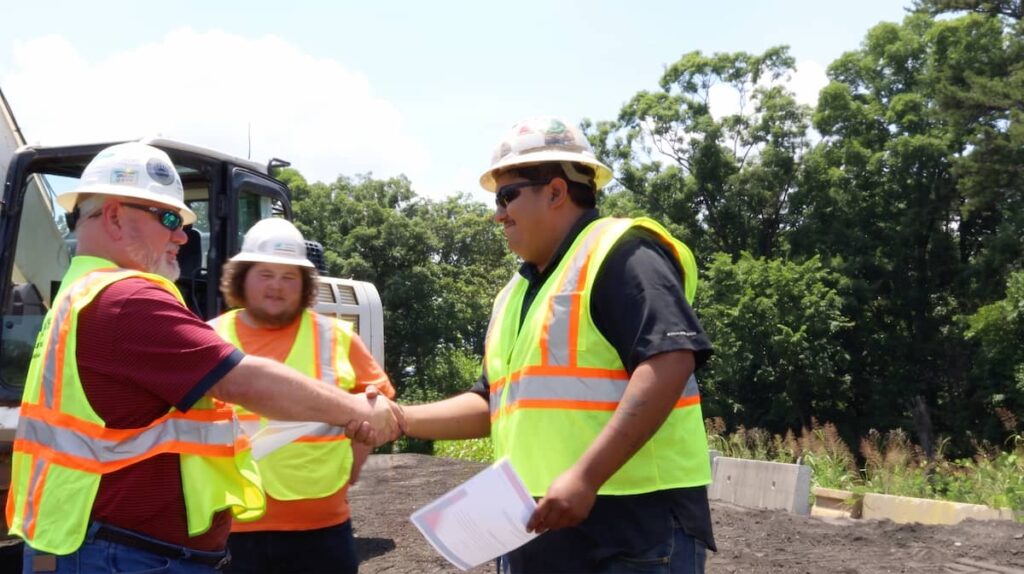
Having spent more than 40 years in construction, Alan has seen the way work is done change a great deal. Technology now gives teams better information and helps them plan, communicate and manage work more effectively. He sees many more opportunities ahead. Yet he does not believe that innovation only comes from a computer. Some of the best ideas, he says, come from the people doing the work. Someone running a piece of equipment, working in a plant or managing a crew will often explain how a task could be done better.
When Alan looks at any new tool or idea, he comes back to one question. Does it help our people work safer, smarter or more efficiently? If the answer is yes, he believes it is worth a closer look. This keeps technology in its proper place as a support for people rather than a replacement for them, and it keeps the conversation grounded in what actually happens on a job site.
“A well-planned job is generally a safer job, and a safe, well-organized job is usually a productive job.”
Developing people may be the area Alan cares about most. He notes that a company can buy equipment and adopt new technology, but if it is not developing its people, it is not building its future. Finding skilled workers is one of the biggest challenges facing the industry, and that is one reason he is excited about the Blythe & Hubbard Academies and the leadership development programs now running within the organization.
For Alan, development is not only about formal training. He reminds people that somebody gave each of them an opportunity at some point, and that the same must now be done for the next generation. He is spending more time thinking about succession and asking who will be ready for the next job. If someone is not ready today, he wants to know what experiences they need so that they are ready tomorrow. His goal is to leave behind a stronger group of leaders than the one he started with.
Experience has also taught Alan some hard lessons. One of the most important is that saying something does not mean everybody heard it or understood it. A leadership meeting can end with everyone feeling aligned, but the message can change on the way to the field, or never arrive at all. Since learning this, Alan has paid close attention to the gap between what leaders intend to happen and what actually happens on the ground.
His answer is to keep communicating, keep asking questions and, when needed, stop talking and listen to the people closest to the work. He has found that most problems become easier to solve once the right people sit around a table and have an honest conversation about what is really going on. It is a simple habit, but one that he believes saves a great deal of time and trouble.
Looking ahead, Alan is very optimistic about the next five years. He sees a tremendous amount of infrastructure investment needed, particularly in the markets where VINCI Construction USA operates. Honestly, he says, the biggest challenge may be having enough capable people to carry out all the work that is available. That is why workforce development, training, technology and productivity will matter even more. The industry will need to do more with the resources it has, without compromising safety or quality.
Technology will play a bigger role, Alan agrees, but he is firm that construction will not stop being a people business. The companies that will succeed, in his view, are those that combine technology with great field people and strong operational leadership. It is a balanced outlook, shaped by years of seeing what really makes a project work.
“Construction is still a people business.”
For young professionals who hope to lead one day, Alan offers advice that comes straight from his own journey. The first thing he says is not to be in too much of a hurry. Many people worry about the next title or promotion, but he believes it is more important to learn the job you are doing now. Get into the field, ask questions and spend time with experienced people. Learn how the work actually gets built.
He also encourages people not to be afraid of assignments outside their comfort zone. Some of the assignments he enjoyed the least at the time taught him the most. Work hard, be honest, do what you say you will do and take responsibility when something goes wrong. When things go well, give the credit to your team. Alan adds that he still learns something from people in the organization all the time. If you stay curious, treat people well and are willing to work hard, he says, construction can offer an incredible career.
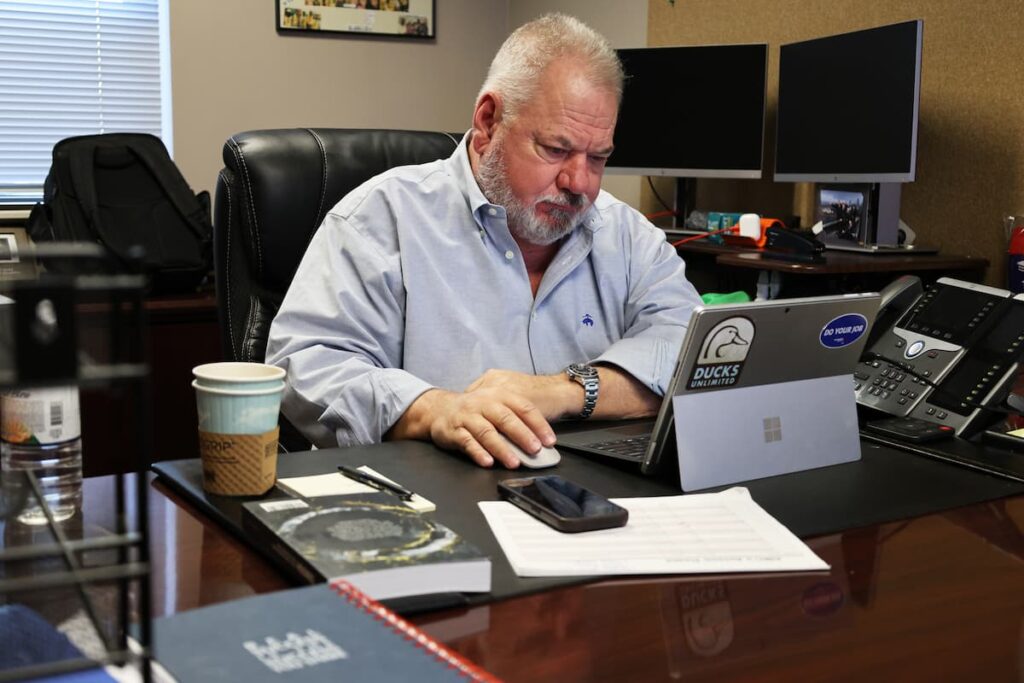
If Alan had to sum up what he has learned, he would say that construction is still a people business. Technology will change, equipment will change and markets will change. But somebody still has to plan the work, somebody has to build it and somebody has to lead the team. In his view, the responsibility of leaders is to keep those people safe, give them the chance to succeed, deliver on commitments and, hopefully, leave the organization a little better than they found it.
“I want to leave behind a stronger group of leaders than the one I started with.”