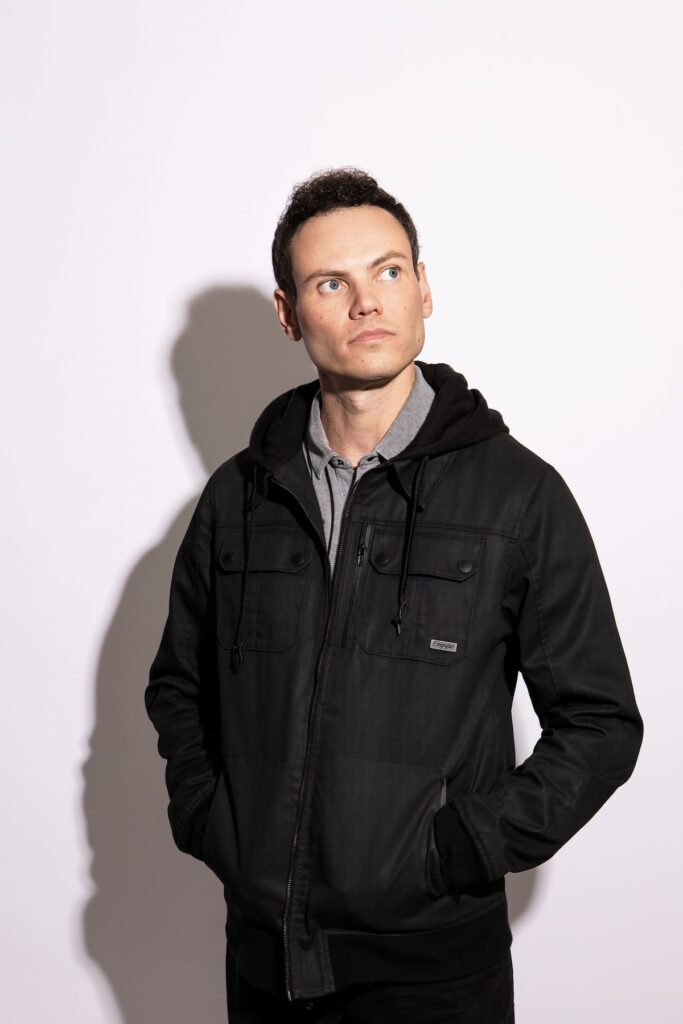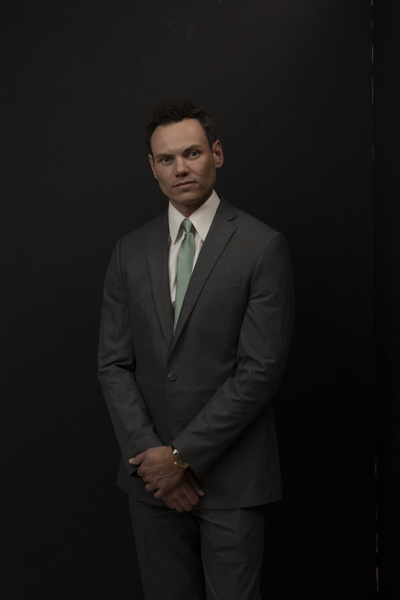
Michael Cecchinelli, Founder and Filmmaker at Solveig Pictures LLC, is an independent director who believes movies should be bold, personal, and worth a trip to the cinema. He runs his studio with a clear mission. He wants to make films that excite audiences and remind them why watching a story together on a big screen is special. In an industry that often plays it safe, Michael has chosen a harder road, and he is happy to walk it.
Michael Cecchinelli | Founder and Filmmaker | Solveig Pictures LLC
EliteX proudly features Michael Cecchinelli in this edition, recognizing a distinguished journey of leadership, innovation, and meaningful impact.
His journey into filmmaking began in 2019, and it began with a loss. His mother, Ellen Solveig Bakke, passed away suddenly from a brain aneurysm. She had always encouraged him to follow his dream of making movies and had urged him to take classes at TheFilmSchool in Seattle. What Michael did not know at the time was that she also served on the school’s Board of Directors. During her final days, he stayed by her side in the intensive care unit for three sleepless days and made her a promise. He would do something to make sure her name lived on.
“I want people to know they are getting their money’s worth when they see that studio card with my mother’s handwriting.”
That promise soon turned into action. TheFilmSchool invited Michael to its Oscar Gala that year. The evening opened with actor Tom Skerritt, best known for Top Gun, telling the room that the school had lost a member of its board. A photo of Ellen was then shown on the screen inside the theater. For Michael, the moment felt like fate. He no longer felt he had a choice. He formed Solveig Pictures LLC in 2019 in loving memory of his mother, and he even trademarked her handwriting to use as the studio logo and studio card. Every film the company makes now carries a small piece of her.
For his first professional indie film, Rose, Michael hired a group of film school students. It was a practical choice and also a meaningful one, giving young talent real set experience. The film began winning awards right away, and the studio has been moving forward ever since. Michael describes the early success as the moment when everything started to build on itself.
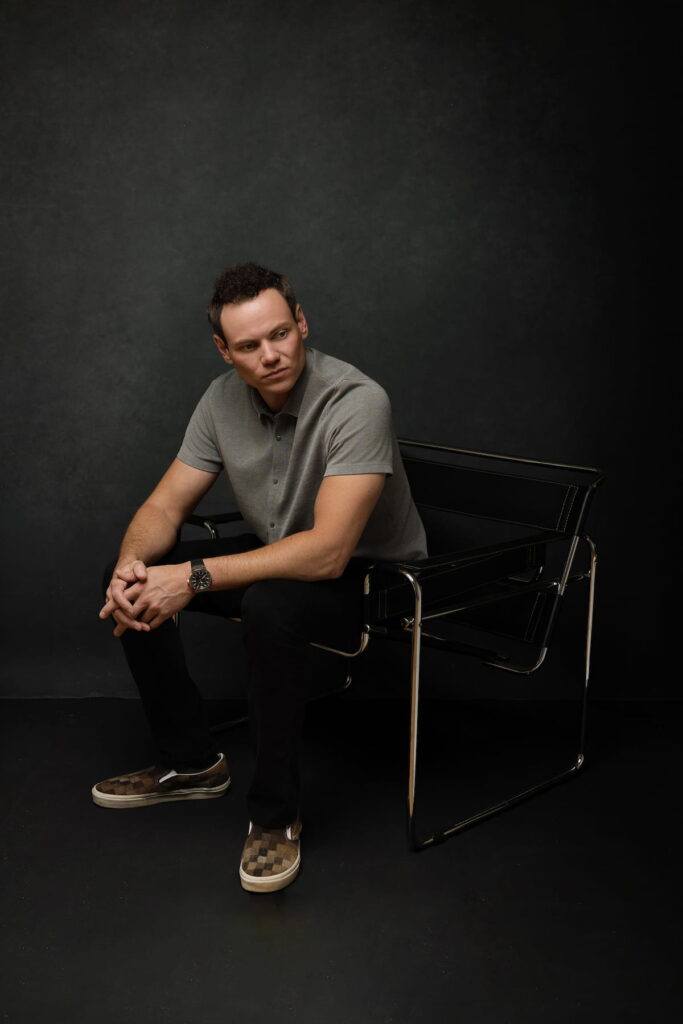
Behind the studio is a man who did not begin in the entertainment world. Before film, Michael spent sixteen years running a business in the construction trades. He was the one who handled all the finances, and he learned early to watch the bottom line closely. That habit never left him. Today, even though he admits he leans more toward the creative side than the business side, he says keeping an eye on the numbers is second nature. It is a useful skill in independent film, where every dollar counts. Michael also funds his projects with his own money, which shows how deeply he believes in the work.
His vision for Solveig Pictures is simple to state and hard to achieve. He wants to make movies that get people excited about going to the cinema again. As a lifelong fan of the art form, Michael is not satisfied with much of what has been released in the last decade. He feels many studios are unwilling to take risks and prefer films that feel safe. His own favorite filmmakers, he points out, were the ones who made movies that people called controversial. He wants to follow that tradition rather than copy what everyone else is doing.
This approach has not always been easy. His most recent finished film, Recluse, has won 26 awards around the world, with recognition from places such as India, Italy, France, Sweden, and Bali. It has also been licensed by three streaming services. Yet in the United States, it was accepted by only one film festival. Michael has thought about why this may have happened. He wonders if a couple of jokes, including a reference to girl humor, may have been taken the wrong way. He also thinks the violence shown toward the female characters may have made some festivals hesitate. The twist at the end of the film, which reveals that the three women are actually the three egos of the homeowner and are not real, is something many festival reviewers may not have looked at closely.
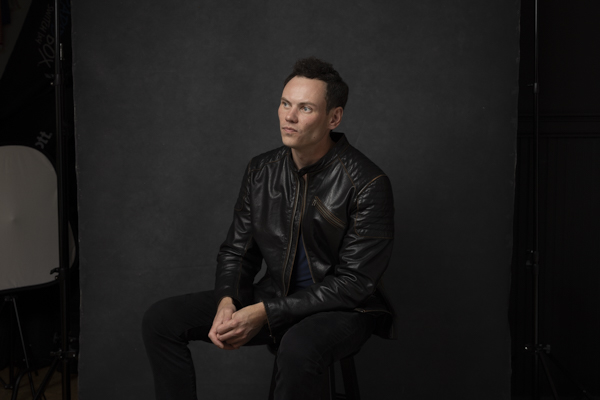
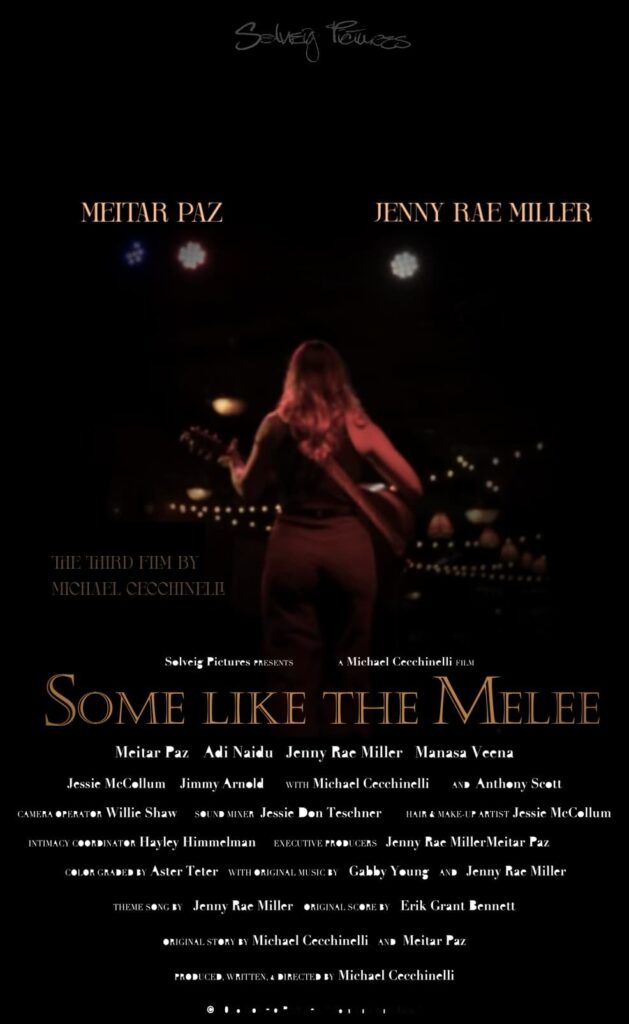
The mixed response has not shaken his confidence. Strong reception overseas and on streaming platforms tells him that audiences are open to daring work, even when some gatekeepers are not. Michael does not see this as a reason to change course. He openly says he has not yet overcome the resistance in the industry, but he plans to keep pushing against current trends. If some festivals found Recluse controversial, he says, they may like his next project even less. That project is Some Like the Melee, which is currently in production, and Michael says he is going even harder this time. For him, a safe path would be the easy choice, and easy is not the goal when he fears the art form is slowly fading. Michael also sees these experiences as lessons. Each festival result, each set story, and each team change has taught him more about what he wants from his projects and from the people around him. He keeps his focus on the work itself, trusting that films made with honesty and care will find their audience in time.
“I have no interest in doing what everyone else is doing.”
As a director, Michael describes his leadership style as calm and soft-spoken. He admits this has led to some trial and error over the years. He has learned that his best results come when he steps back and lets the actors carry their characters. He gives the general blocking of a scene so that nobody is confused about their movements, and then he corrects whatever does not look right on screen in the next take. This gives performers room to be creative while still keeping the shoot organized. He also believes that creative work with a group of people is always better when everyone is open to new ideas and real collaboration.
One story from the set of Recluse shows this belief clearly. On the first day of production, Michael noticed that the cast and crew were quiet and reserved. People were looking at their phones and not talking much between takes. He wanted everyone to feel that the project belonged to all of them. By the second day, he told all the actresses, along with his Assistant Director Jessie McCollum, who has worked on all his projects, that they would be Executive Producers on the film. Each would receive points on the backend from any profit the film makes. Michael says it was like flipping a switch. The mood changed right away, people became more invested, and the team became more social with each other. He has since heard that Ben Affleck and Matt Damon used a similar approach of sharing profits with the cast and crew on The Rip. Michael highly recommends this method to other filmmakers.
When it comes to choosing stories, Michael works in a way he calls a bit backwards. Because ideas come to him faster than he can ever produce them, he does not chase one idea at a time. Instead, he goes through his old notes, which hold story outlines, scene ideas, characters, interesting sequences, and filming locations. He pays attention to the ideas that keep returning. Even while driving along roads he has traveled thousands of times, he keeps looking around for small pockets of inspiration. Once he picks an idea, he looks for a deeper meaning and a strong theme behind the whole story. He often draws from what is happening in his own life, and he tries to shape it into something audiences can relate to. Only after that does he build out the full outline.
Michael also knows that creative ideas must live alongside business needs, and he is open about the compromises he makes. He has pitched companies about placing their brands in his films, although no deal has been signed yet. While writing Some Like the Melee, he kept the trailer in mind and made sure certain hooks were included in the script. He points to a bar scene between lead actresses Meitar Paz and Jenny Rae Miller as an example. One line in that scene was written with marketing in mind. Michael says he feels a little corny writing lines like that, but he believes they show where he is willing to make small creative compromises to support the business side. The official trailer will be released on the studio website, www.SolveigPictures.com.
“The more I step back and let the actors carry their characters, the better the results.”
Relationships and trust sit at the center of how Michael builds his team. Whenever possible, he hires the same people again. If someone is easy to work with and good at their job, he makes a note of it, because he knows that is not always guaranteed. He also understands that team dynamics are a constant process. People grow based on the freedom and generosity they are given, and sometimes that generosity is taken too far. He gives his cast permission to take behind-the-scenes photos and share them on Instagram, asking only that they tag Solveig Pictures so the film benefits too. He believes this helps everyone. He admits that a few people have pushed this freedom too far, and that has taught him to stay careful.
His approach to people comes from years of experience running several businesses. Michael believes the best way forward is to treat people as well as possible and give them the chance to build trust. At the same time, he stays alert and does not hesitate to move on from someone when the relationship stops working. He also pays his team more than they normally receive on other projects, because he believes fair treatment leads to better work on screen.
His idea of leadership is shaped by his family background. Michael says an accomplished leader is someone who has a group of like-minded people working beside them toward a common goal. He often thinks about his former company and the respect his father earned there. Employees stayed with that company for thirty to forty years. Michael wonders if loyalty and respect are less common today, especially when working with people a decade younger. He sees this as a challenge of modern teams, and he keeps working to build the kind of loyal group that his father once led.
Michael is also thoughtful about where the industry is heading. He sees the growth of verticals, which are short series filmed in portrait mode for mobile phones, as one of the biggest trends in Hollywood today. Together with studios taking fewer risks, he believes this trend is hurting the quality of entertainment. He understands that many people no longer romanticize going to the cinema the way he does, and he accepts that. Still, he hopes audiences will stop and think about what they are supporting. He does not plan to make videos meant for phone screens. Technology companies already receive a great deal of our money, he feels, and he does not want to create anything that pulls people further apart.
“I formed Solveig Pictures in honor and loving memory of my mother.”
His answer to a changing industry is to stand out, even if it takes longer. Michael believes the best way to adapt is to make films that give people a real reason to come back to theaters and enjoy a story together. He also says streaming has opened many doors for filmmakers, but it has pushed the industry toward quantity over quality. His advice to other leaders in the creative world is to avoid chasing what is trendy and to focus on work that lasts.
Looking ahead, Michael’s goal for Solveig Pictures is big. He wants to help save cinema. He sees the quality and substance that he loves about movies growing weaker, and he knows the legends of the past have left very big shoes to fill. Even so, he feels it is his responsibility, and the responsibility of his studio, to make a film that excites audiences again about seeing something on the big screen in a group setting.
For Michael, the heart of this mission is still his mother. He wants audiences to feel that they have received their money’s worth when they see the Solveig Pictures studio card, with Ellen’s handwriting on it. That small image carries the promise he made in 2019, and it reminds him why he keeps going. He hopes other leaders entering the industry will carry similar goals, built on quality, risk, and respect for the audience. For a filmmaker who spends his own money and takes creative risks, that hope is simple. He wants cinema to stay alive for the next generation.
Michael Cecchinelli’s story is one of love, courage, and stubborn belief in the power of cinema. It shows how personal loss can become a lasting purpose, and how a clear purpose can guide hard choices year after year. He started a studio to honor his mother, and he has grown it into a place where bold ideas are welcome. His awards, his licensing deals, and his upcoming film Some Like the Melee show that his path is gaining ground, even if it is not the easy one. In a time of quick content and safe choices, Michael Cecchinelli is betting that audiences still want something real, and he is making movies to prove it.
“I want to make movies that get audiences excited about going to the cinema again.”