Most Admired Finance Leader to Look Out In 2026
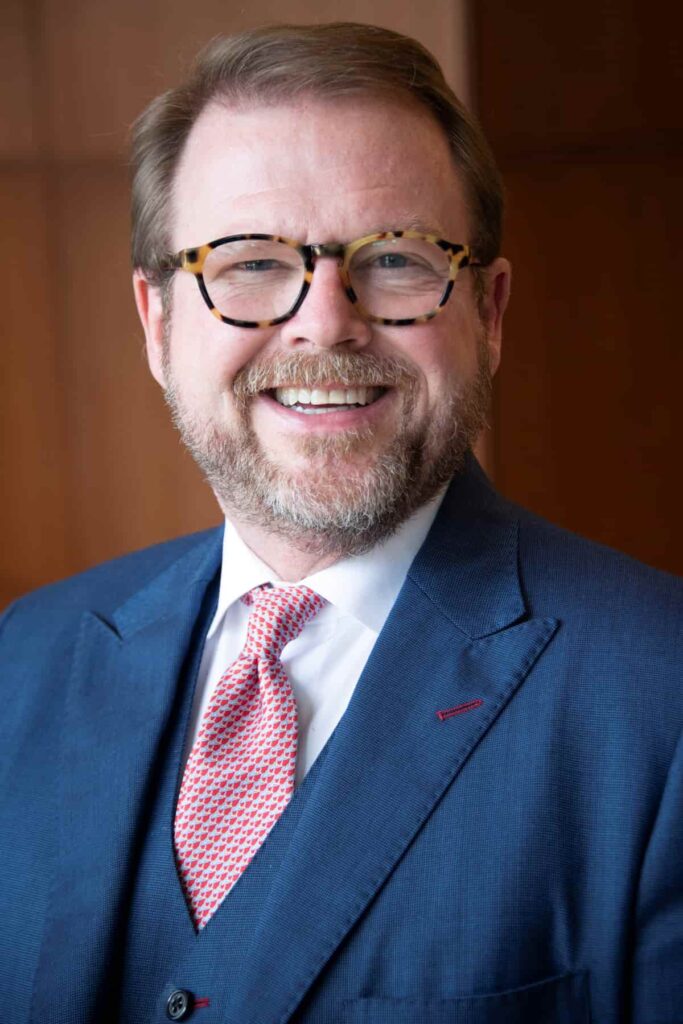
Kevin D. Kimery – From the Mail Room to the Founder’s Chair
Kevin D. Kimery is the Founder and CEO of Kimery Wealth Management, an independent firm based in Memphis, Tennessee. With more than 35 years in financial services, he has seen the industry from many angles. He has learned that behind every chart, market move and investment plan, there are real people with real goals. His career began in a mail room as a teenager and has grown into the leadership of a firm built on sophisticated advice, personal service and long-term relationships.
Kevin D. Kimery | Founder and CEO | Kimery Wealth Management
Today, he is seen as one of the finance leaders to watch in 2026, not because of a single big moment, but because of a steady belief that good work, honest relationships and constant learning pay off over time. This profile looks at his journey, his leadership style and the ideas that guide the way he builds both a business and a team.
EliteX proudly features Kevin D. Kimery in this edition, recognizing a distinguished journey of leadership, innovation, and meaningful impact.
Kevin’s story starts at the age of 17, when he took a job in the mail room at E.F. Hutton. It was not a glamorous role, but he saw it as a chance to learn. He wanted to soak up everything he could about the industry, and he approached each day with that goal in mind. That early habit of watching, asking and learning stayed with him for decades. Many young people enter a workplace thinking only about the job in front of them. Kevin was already thinking about the world behind it. The mail room gave him a first view of how a large financial firm works, how people talk to each other, how decisions move through an office and how much effort goes into serving clients. Those lessons were simple, but they gave him a base to build on for the rest of his career. Starting at the bottom also taught him respect for every role in a business.
“Be curious, work hard, and never assume you have finished learning.”
From there, Kevin moved through some of the most respected names in finance, including Goldman Sachs, Merrill Lynch and Morgan Stanley. At each stop, he worked alongside talented professionals and gained experience in investment management and client service. These years helped him build a strong foundation. He learned how large institutions think, how they manage risk and how they serve clients at scale. He also saw what large institutions can sometimes struggle to offer, which is the closeness of a personal relationship. He says these early opportunities were among the most important milestones of his career, because they let him learn from experts who knew the business well. Alongside this hands-on training, he earned an MBA from Vanderbilt, which widened his view. The degree helped him think not only as a financial professional but also as a business owner. That mix of market knowledge and business thinking would soon become very useful.
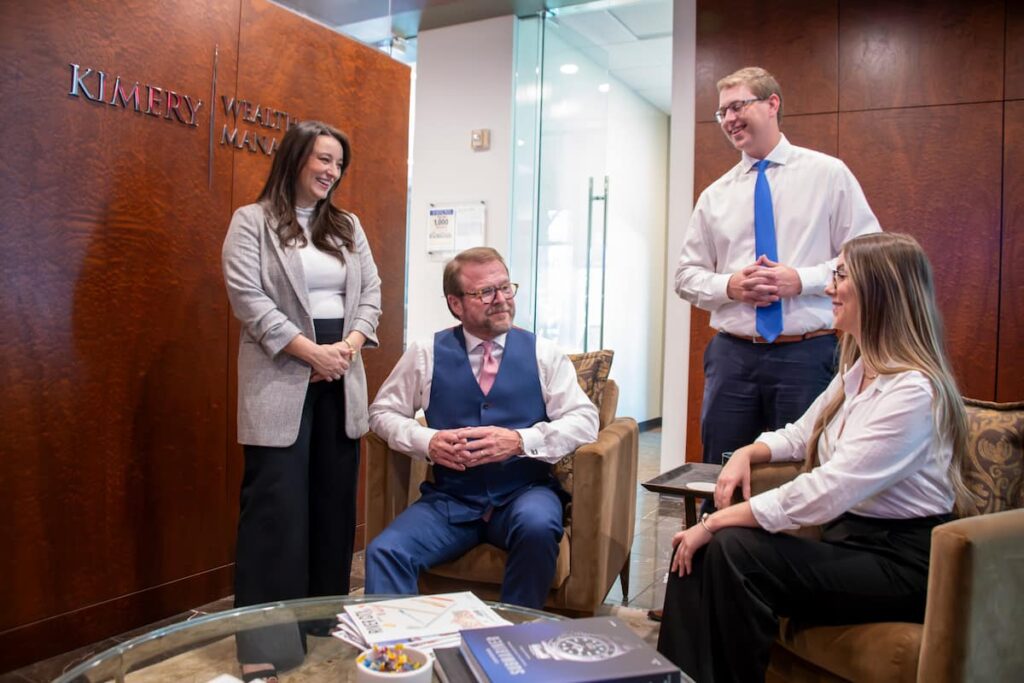
After years inside major firms, Kevin reached a point where he wanted to build something of his own. His goal was clear. He wanted an independent firm that could offer sophisticated financial advice while keeping the personal relationships and the level of service that he believes are essential in this business. That idea became the firm he leads today in Memphis. Founding it was a defining moment in his life. It allowed him to take everything he had learned across his career and shape the kind of organization he wanted to be part of, one focused on clients, people and long-term relationships. Starting a company is never easy, but he had the experience, the education and a strong sense of purpose. Since then, he has watched the firm grow, and he says the most rewarding part has not simply been the growth in assets or clients. It has been the growth in people, in capabilities and in the bonds built within the community.
Ask Kevin why he chose finance, and his answer is simple. He was drawn to the way it mixes analytical thinking with human connection. Markets, investments and economics keep changing, which keeps the work interesting and challenging. Yet he reminds others that, at the end of the day, finance is still a business of people. To do the job well, an advisor has to understand who a client is, what that client needs and where the client wants to go. Numbers matter, but they only tell part of the story. This view shapes how he runs his firm. Conversations begin with listening, and advice follows from what is learned. For him, a good financial plan is not just a set of calculations. It is a plan for a family, a business or a future, and it should reflect the person behind it. This people-first thinking has been a steady thread through his entire career.
As CEO, Kevin sees one of his main responsibilities as thinking beyond what is directly in front of the firm. That means setting the strategic direction, developing the team, maintaining strong client relationships and making sure the firm keeps evolving as client needs and the industry change. He also has a clear view on what growth should mean. In his mind, growth should not simply mean getting bigger. It should mean getting better. To check this, he keeps asking a set of honest questions. Is the firm giving better service? Is it hiring and developing talented people? Is the client experience improving? Is the firm investing in technology and processes that help the team work more effectively? These questions guide his daily decisions. He believes his job is to keep asking them, and to make sure that the choices made today place the firm in a strong position well into the future.
When talking about the biggest challenges facing finance leaders, Kevin points first to the pace of change. Markets move, technology develops, rules shift and client expectations keep rising. Leaders must be ready to adapt, but he warns against reacting to every new trend that appears. Another challenge is the sheer amount of information available today, which he says is greater than at any other time in his career. This can be very valuable, but more information does not automatically lead to better decisions. Part of the responsibility of a finance leader is to decide which information truly matters and to help clients tell real insight from noise. His own approach is steady and simple. He stays disciplined, surrounds himself with talented people and keeps his focus on the long term. He believes a leader must be willing to evolve while staying grounded in the principles that built the business in the first place.
“A business should eventually become bigger than the person who started it.”
Technology and data play a big role at the firm. Kevin notes that today’s tools give teams access to information and analysis that would have taken far more time and manpower earlier in his career. At the firm, these tools help the team gain a fuller understanding of clients, portfolios, business operations and growth opportunities. Good data helps identify trends, measure results and support more informed decisions. Even so, he is careful about how much weight to give to technology. In his view, technology should support judgment, not replace it. A system can provide information, but experience and human judgment are still needed to understand what that information means and to decide what action, if any, should be taken. He believes the most effective firms in the future will be those that learn how to combine both strengths, using the speed of technology along with the wisdom of experienced people.

Kevin also brings a calm and disciplined mindset to performance and risk. Whether someone is managing investments or running a company, he believes chasing short-term results can create needless risk and pull attention away from long-term goals. At the firm, the team focuses on understanding the risks it takes, being intentional about where resources go and regularly checking whether the strategy still matches the goals. He adds an interesting idea, that diversification is not only for investment portfolios. A strong organization, he says, should also be diversified, with talented people, effective technology, sound processes and several paths for steady growth. When these pieces work together, a firm can pursue new opportunities while keeping the discipline needed to manage risk. This way of thinking connects his advice for clients with the way he leads his own business.
People sit at the center of his leadership. Kevin believes in hiring talented people and then giving them room to grow. He looks for intelligence and technical ability, but he places equal value on character, work ethic, curiosity and communication skills. In his experience, a person can be taught a great deal about finance, but it is much harder to teach someone to care about clients, take ownership of their work or truly want to improve. A servant’s heart toward clients is the mission of the firm, and he says everyone on his team shares it. He also believes young professionals should be given meaningful responsibility early. People tend to rise when they feel trusted and when they understand how their work fits into something larger than their own role. This approach has helped create a culture where growth is expected and supported.
Asked about his proudest achievement, Kevin first points to building the firm itself. Yet he explains that what makes him proud today is different from what might have made him proud at the start. He is pleased with the firm’s growth and its professional success, but he is most proud of the organization and team built around it. Seeing talented people develop their careers, step into leadership roles, build relationships with clients and begin shaping the firm’s future gives him great satisfaction. He holds a thoughtful view on legacy as well. A business, he says, should eventually become bigger than the person who started it. His hope is to build something that can continue to grow, evolve and serve clients for generations. For a founder, this is a humble and forward-looking goal, and it shows how much he values the long life of the firm over personal credit.
“Technology should support judgment rather than replace it.”
Community is another theme that appears again and again in his words. Kevin speaks about the relationships the firm has built within its community as a real measure of success, not just a side note to business results. For him, a firm that serves families and business owners over many years becomes part of the place where it works. That is why he talks about leaving an organization and a community better than he found them. It is also why he puts so much weight on reputation. In a business built on trust, every conversation, every promise and every decision adds to how people see the firm. He believes that integrity and reliability are not just personal qualities but business assets that grow slowly and can be lost quickly. By treating clients, colleagues and neighbors with care, he hopes to build a name that people recognize for honesty and service. This focus on trust and place gives his leadership a steady, grounded feel in a fast-moving industry.
Looking ahead, Kevin expects AI and automation to change certain parts of financial services in a big way. Work that once needed hours of manual effort can increasingly be automated, and professionals will reach advanced information and analysis much faster than before. He sees this as an opportunity rather than a threat. If technology reduces time spent on repetitive tasks, team members can spend more time thinking strategically, solving complex problems and working directly with clients. At the same time, he does not believe technology removes the need for relationships. In wealth management, clients trust advisors with decisions that affect their families, businesses and futures. Technology can make a firm faster and better informed, but trust, judgment, empathy and accountability remain human responsibilities. In his view, the leaders who succeed will embrace new technology thoughtfully, without resisting it and without assuming it can replace everything that came before.
For aspiring finance leaders, Kevin offers advice that is easy to understand and hard to forget. Be curious, work hard and never assume the learning is finished. After more than 35 years in the industry, he says he is still learning. Markets, technology and the ways of doing business will keep changing. He also urges young professionals not to underestimate relationships and reputation. Technical skills may open the door, but integrity, reliability and the way a person treats others decide whether people want that person to stay. He encourages them to seek out people who know more, to ask questions, to take responsibility when things go wrong and to give others credit when things go right. He also warns against measuring a career only by titles or pay. A career built on constant improvement, on helping others succeed and on leaving an organization and a community better than found is, in his view, truly meaningful.
Kevin’s path, from a mail room at 17 to the founder’s chair, shows what steady curiosity and strong values can build over time. His story is not about chasing quick wins. It is about discipline, patience and a deep respect for people. Through his firm in Memphis, he continues to show that a financial business can be sophisticated and personal at the same time, that technology can serve people instead of replacing them, and that real growth means getting better each year. As the industry moves into an age of AI and automation, his steady approach offers a useful guide for the next generation of leaders. By staying curious, staying grounded and keeping clients at the heart of every decision, he is building something he hopes will outlast him. That is why he stands among the finance leaders to look out for in 2026.
“It should mean getting better.”