
Fiona Njeri Macharia, Co-founder and Social Impact & Sustainability Lead at Kiasili Farm, is helping shape a more inclusive and resilient future for agriculture in Kenya. As a Kenyan AgriTech social enterprise, Kiasili Farm works with smallholder farmers to improve access to finance, quality agricultural inputs, reliable markets, and technology. Its work focuses strongly on Indigenous and climate-resilient crops, particularly sorghum, while creating stronger connections between farmers and premium and institutional buyers.
Fiona Njeri Macharia | Co-founder and Social Impact & Sustainability Lead | Kiasili Farm
Macharia’s connection with agriculture began early in life. Growing up in a farming family, she witnessed the difficulties faced by farmers firsthand. Although farmers worked hard to produce food, many continued to struggle with affordable finance, quality inputs, dependable markets, and fair prices. This experience helped shape her understanding that agricultural challenges go far beyond production. When Kiasili Farm began, its focus was broader, covering Indigenous food crops and sustainable agriculture. However, closer engagement with farmers and buyers revealed how fragmented many agricultural value chains were. Sorghum became a clear example. The crop is drought-tolerant and has demand from the food and brewing industries, yet farmers often lack access to finance, quality seed, consistent markets, and the standards expected by larger buyers.
Resilient crops can help build stronger and more sustainable food systems.

This understanding led Macharia and her team to develop a model that addresses the entire value chain instead of solving only one problem. Kiasili’s platform brings together digital farmer onboarding, financing, agricultural inputs, market access, and traceability. Farmer and production data helps the organization understand supply while giving buyers greater visibility into the origin and quality of agricultural products. Traceability is especially important for premium and institutional markets, where reliable information about production, quality, and origin is increasingly valuable. Kiasili is also exploring AI-supported farmer engagement and USSD solutions to ensure that farmers without smartphones or dependable internet access are not left behind.
For Macharia, technology is not an end in itself. Its purpose is to make agricultural value chains more transparent, efficient, and accessible. This approach responds to several challenges facing African agriculture, including high input costs, limited finance, fragmented markets, inconsistent demand, post-harvest losses, and restricted access to premium buyers. In sorghum farming, Kiasili works to bridge the gap between smallholder production and the requirements of larger markets. The organization supports farmers with finance and inputs, aggregates production, strengthens market connections, develops traceability, and explores value addition so farmers have opportunities beyond selling raw produce.
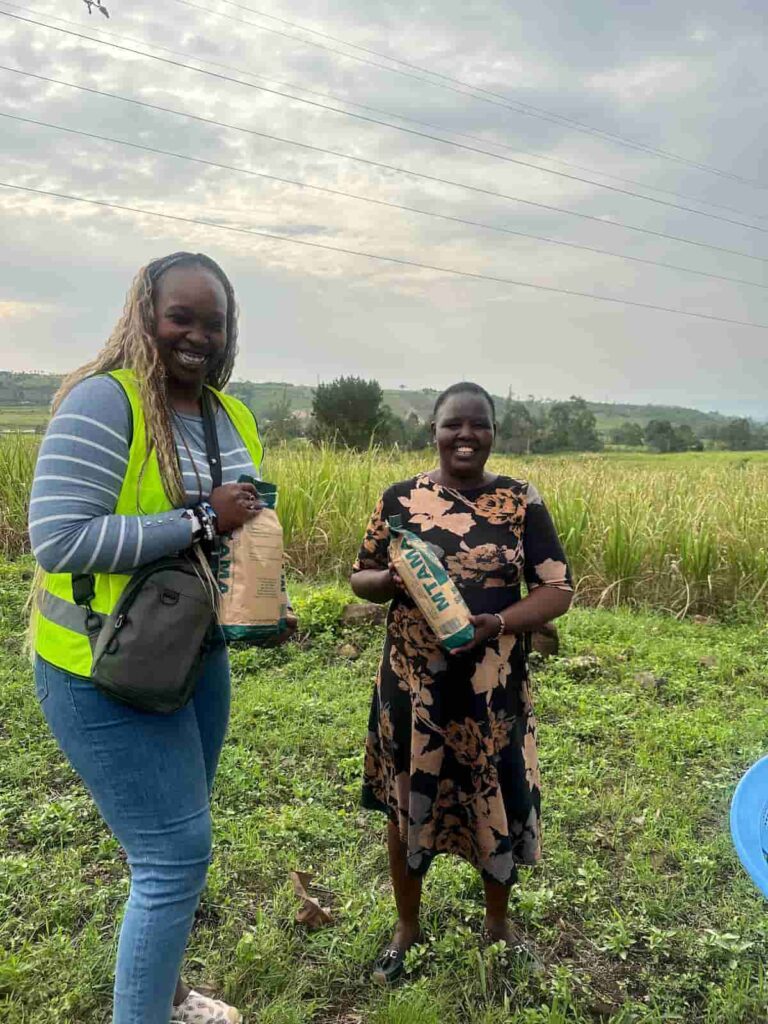

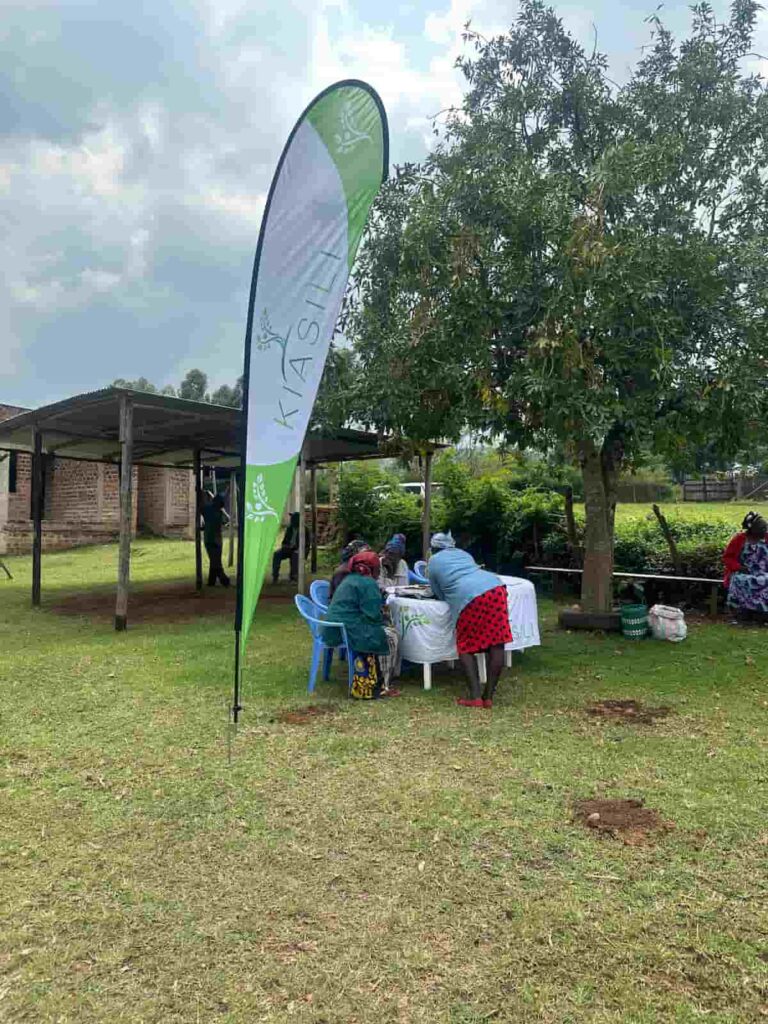
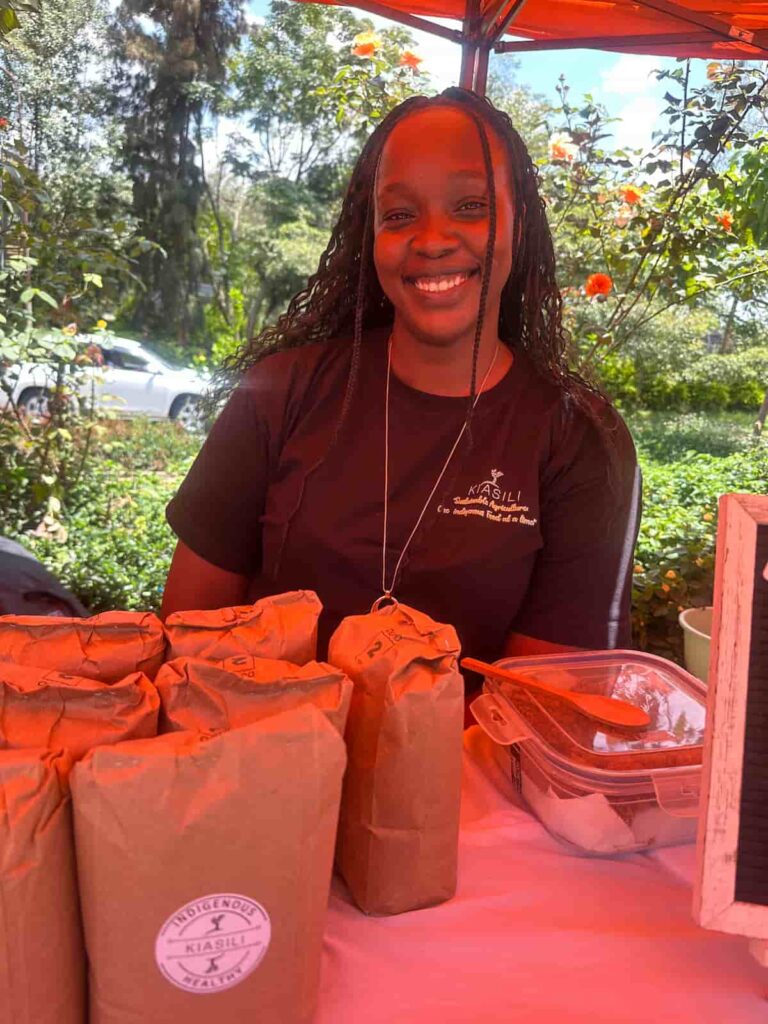
One achievement that stands out for Macharia is the progress Kiasili has made in developing a market-led sorghum value chain. The organization has built relationships with buyers in the brewing sector and is working to connect smallholder farmers with these markets. It has also developed sprouted sorghum flour as a value-added product, creating another opportunity for the crop. Kiasili has onboarded farmers and built a larger pipeline of farmers interested in its services. Another important milestone was receiving €20,000 through the beVisioneers Mercedes-Benz Fellowship, which provided resources to strengthen the business and continue developing its model.
Innovation and sustainability remain closely connected to this vision. Macharia sees innovation as the practical process of solving problems across the value chain, from finance and inputs to production, aggregation, quality, traceability, markets, and value addition. Sustainability is reflected in the crops and farming practices Kiasili promotes. Sorghum is relatively climate-resilient, making it relevant as farmers face changing weather conditions. The organization also promotes regenerative farming and environmental restoration because agricultural productivity depends on healthy ecosystems.
Start with real problems and build solutions that create value.
Looking ahead, Macharia expects AgriTech to increasingly connect farmers with the services and markets they need. Digital finance, input distribution, farmer data, traceability, and digital marketplaces are likely to become a larger part of everyday agriculture. She also sees growing opportunities for sorghum and other Indigenous and climate-resilient crops as Africa works to build food systems that can withstand climate pressure while creating economic opportunities. For her, the greatest opportunity is ensuring that technology works for smallholder farmers, rather than being designed mainly for large commercial farms.
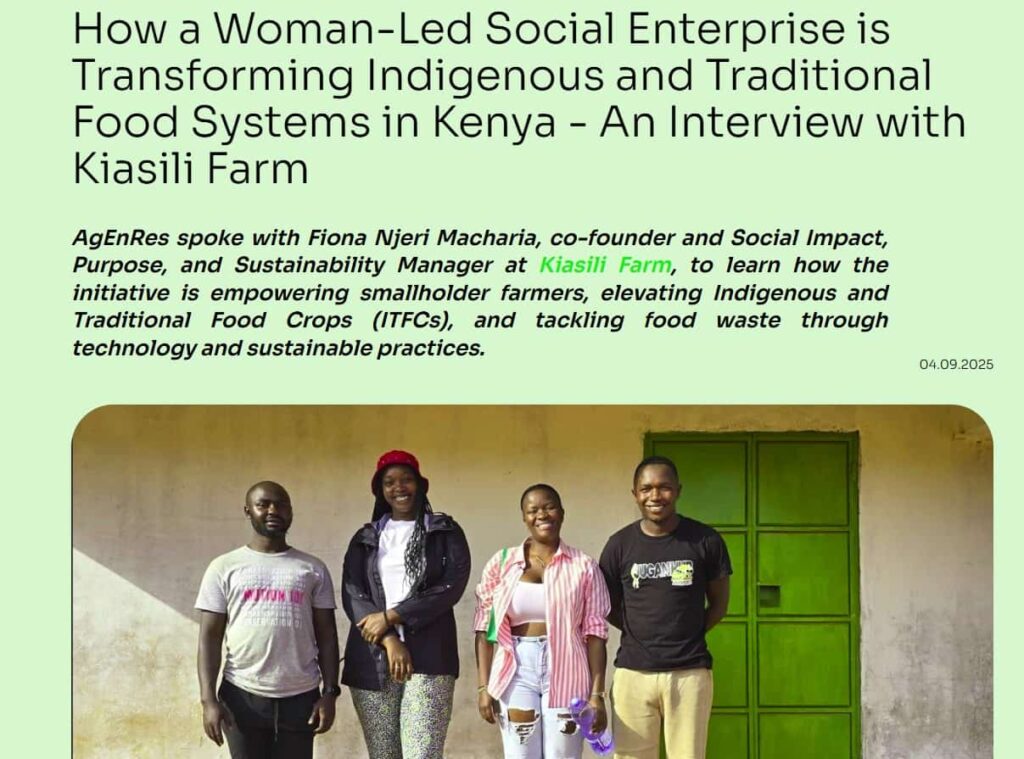
Her leadership approach is built around resilience, curiosity, empathy, and collaboration. Agriculture rarely goes exactly according to plan, making resilience essential. Curiosity helps her listen to farmers, buyers, and partners and adjust when something is not working. Empathy keeps the focus on the people behind the business model, recognizing farmers not simply as suppliers but as individuals supporting livelihoods and families. She also believes agricultural value chains require collaboration among farmers, buyers, financial institutions, technology providers, and other partners.
For young AgriTech entrepreneurs, Macharia emphasizes starting with a real problem and spending time with the people experiencing it. She believes entrepreneurs should understand the farmer, the buyer, and the wider value chain before building technology. Her advice is to start small, test the model, learn from the market, and create something people are willing to pay for. She also encourages innovators to develop African solutions around African resources, crops, and knowledge.

Macharia’s long-term goal is to scale Kiasili across Kenya and eventually into other African markets. The organization aims to strengthen its digital platform, expand value-added products, and create stronger connections between smallholder farmers and institutional, regional, and international buyers. Ultimately, her vision is to change the position of smallholder farmers from price-takers with limited market information into productive, traceable, and financially included participants in premium agricultural markets. The intended impact is clear: better farmer incomes, stronger African value chains, and a more resilient food system.
Technology should make agriculture more accessible and inclusive.