Most Impactful Brand Strategist to Look Out In 2026
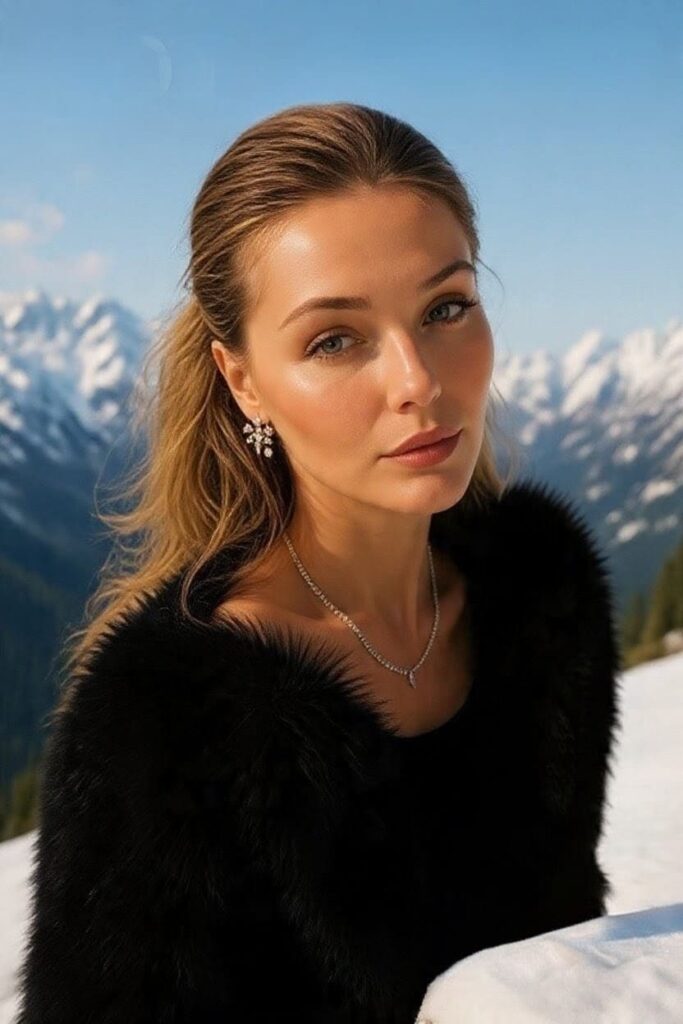
Morena Natalija Dereveux – Shaping Beverage & Food Brands
Morena Natalija Dereveux built her career on two industries that never stop changing: beverage and food. She studied and worked in this field for almost eighteen years, and in that time she learned the business from people who cared as much about ethics as they did about results.
Her mentors did not just teach her how to sell a product. They taught her how to build something that lasts. She often says she was lucky to work alongside some of the most respected names in the industry, people whose standards shaped the way she still works today.
EliteX proudly features Morena Natalija Dereveux in this edition, celebrating their achievements, leadership, and valuable impact.
The beverage and food world she entered was not simple. It came with legal boundaries, shifting consumer habits, and a market that never sat still. Morena watched that market change year after year, and she changed with it. She moved from working inside companies to working on campaigns with one of the most respected agencies in Europe. That period pushed her toward something bigger: becoming a solo entrepreneur. Her work on events, activations, and campaigns earned her recognition across multiple countries, and she was eventually named among the top ten most recognized people in her industry, known both for her creative work and for her skill as a strategist.
If a brand is not recognizable in half a second, it is already lost in the scroll.
Morena traces much of her success back to one phone call almost twenty years ago. She had just started at a small beverage company and quickly realized that the field demanded far more from her than she expected. It required constant self-improvement. The two companies she worked for early in her career gave her room to grow into an expert. She describes long hours, difficult stretches, and weekends that never felt like weekends, but she says those years taught her to understand the obstacles and challenges a company faces better than most people in her field. That depth of experience meant she could walk into a room with almost any company in the world and speak their language, because her education and her hands-on experience matched exactly what they needed.
This year has been a turning point for her personally and professionally. It marks the end of a long court battle, and it marks the moment she chose to announce her new company to the world. That company, La Jolla Ink, represents twenty years of work across international markets, built with a small group of trusted colleagues and long-standing business relationships. For Morena, it is not a sudden project. It is the result of two decades of preparation.
Ask her what makes a brand strong, and she will give a clear answer. A strong and successful brand is a trusted name that stands apart from everyone else in its space. It delivers real value, builds emotional connections with the people who buy from it, and stays steady even while the market around it keeps shifting. A brand like this earns loyalty, can charge fair prices with confidence, and grows steadily over time. Morena breaks this down into four traits every strong brand needs. It needs a clear purpose, meaning it knows its core mission and communicates a distinct message. It needs high trust, which comes from keeping promises and delivering quality every single time. It needs an emotional connection, so that people feel seen and valued and are happy to buy. And it needs smart visibility, showing up in the right places with a sharp, clean look.
Beyond those four traits, she points to seven elements that make up a complete brand strategy: brand purpose, target audience, brand positioning, a unique value proposition, brand personality and voice, messaging and story, and visual identity. Together, she explains, these elements answer three questions for any business: why it exists, who it serves, and how it stands out from everyone else trying to do the same thing. She often reminds clients that a brand has about seven seconds to make a first impression, which is exactly why a clear strategy matters so much before a single logo or color is chosen.
Copying a competitor is the most irritating form of admiration.
Morena also believes strongly in data. She likes to say that a brand should tell its story driven by the data. A target audience, in her view, is not a guess. It is the specific group of people most likely to want a product or service, and understanding that group through demographics and behavior prevents wasted marketing spend. It also helps a business build content that actually resonates and drives real engagement and sales.
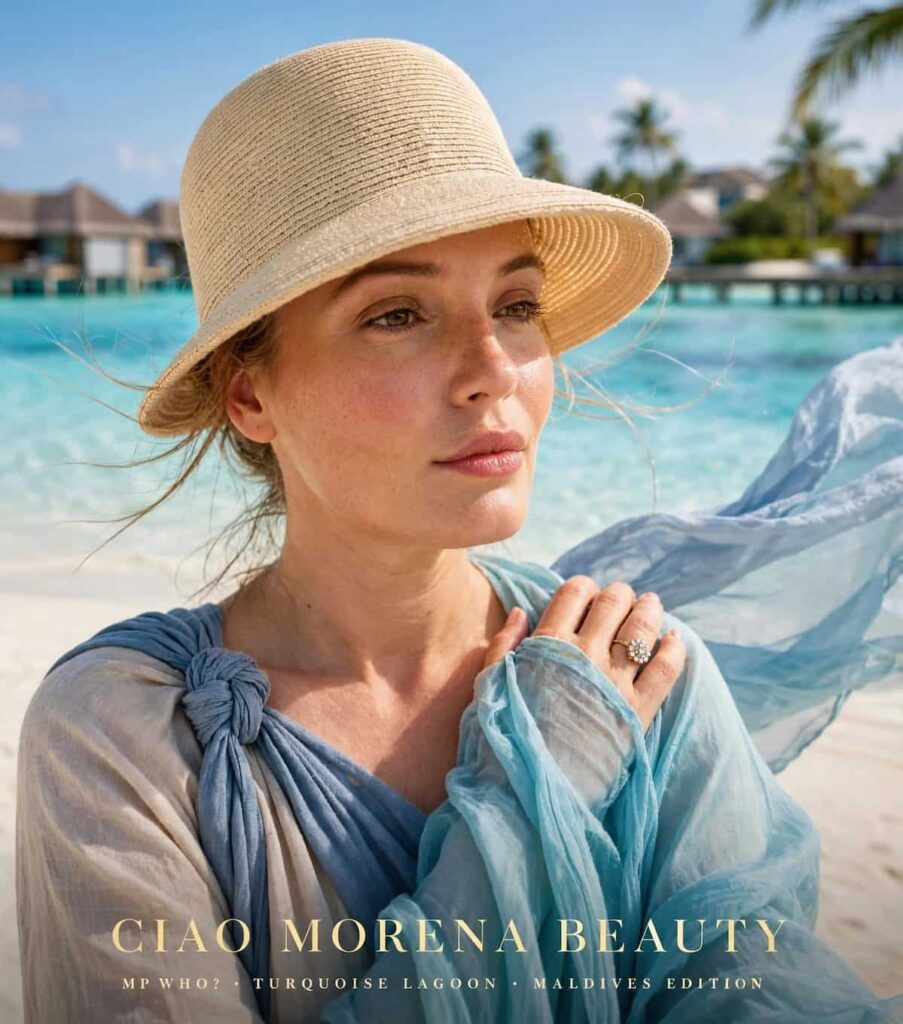
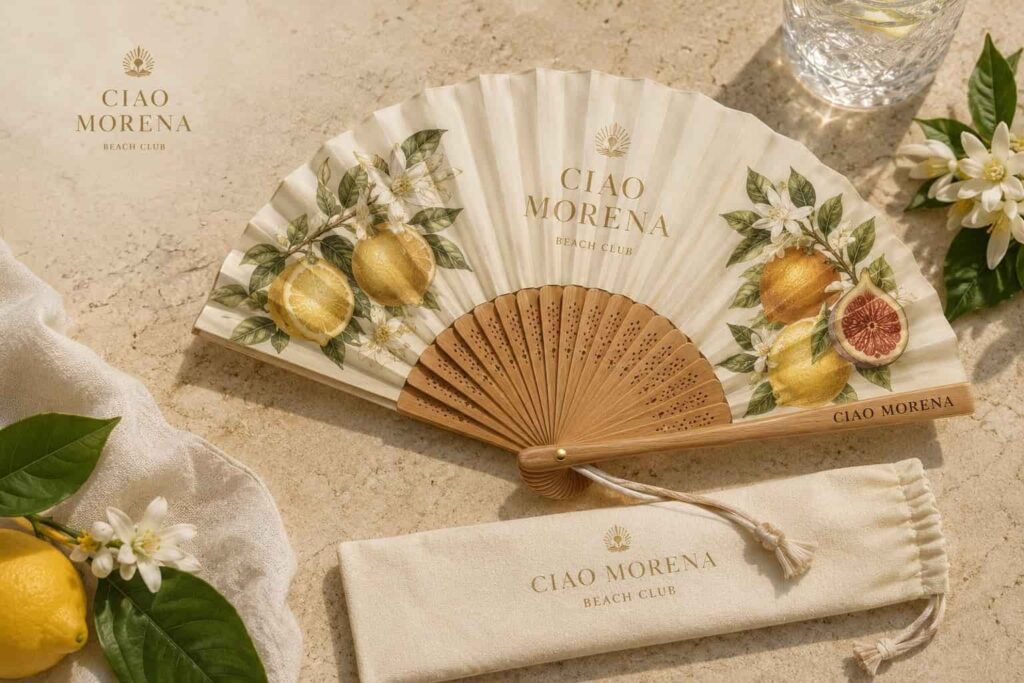
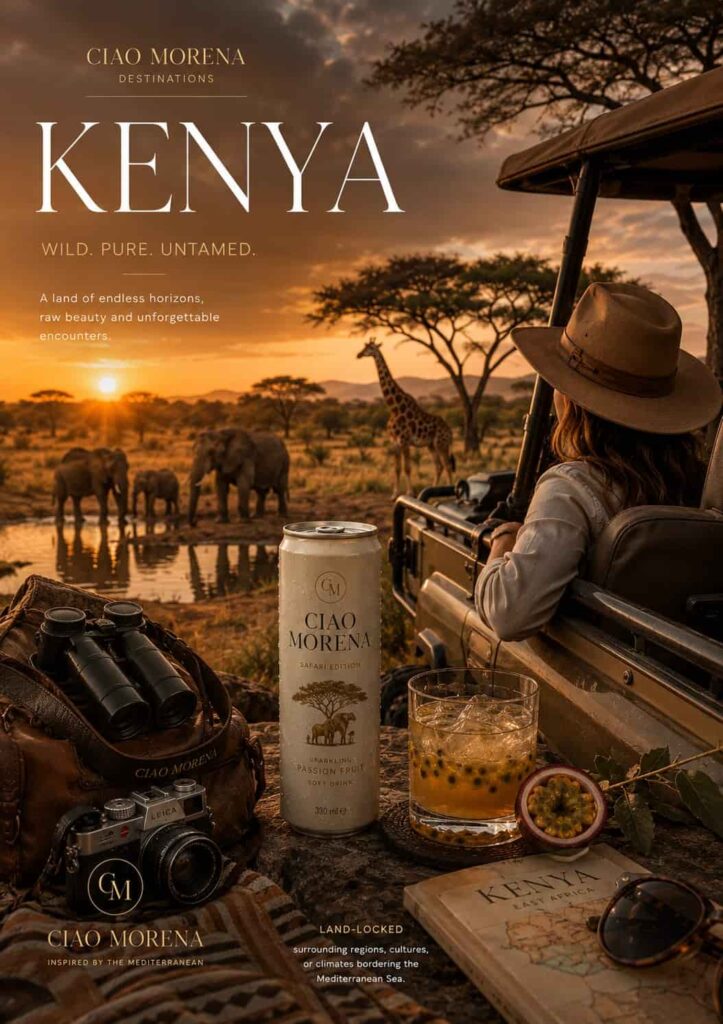
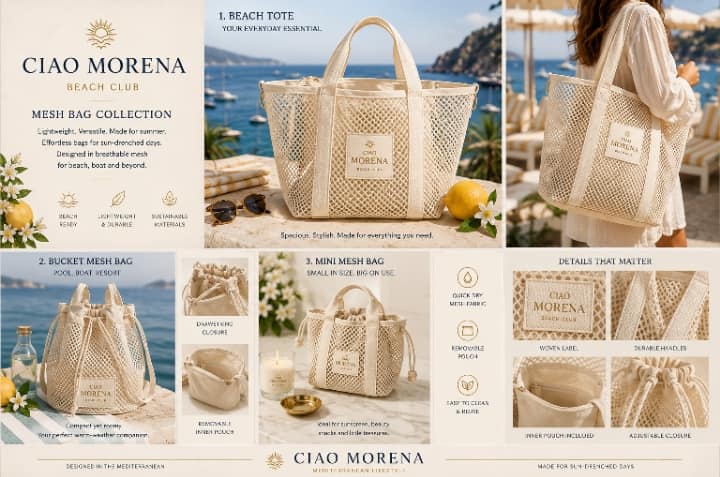
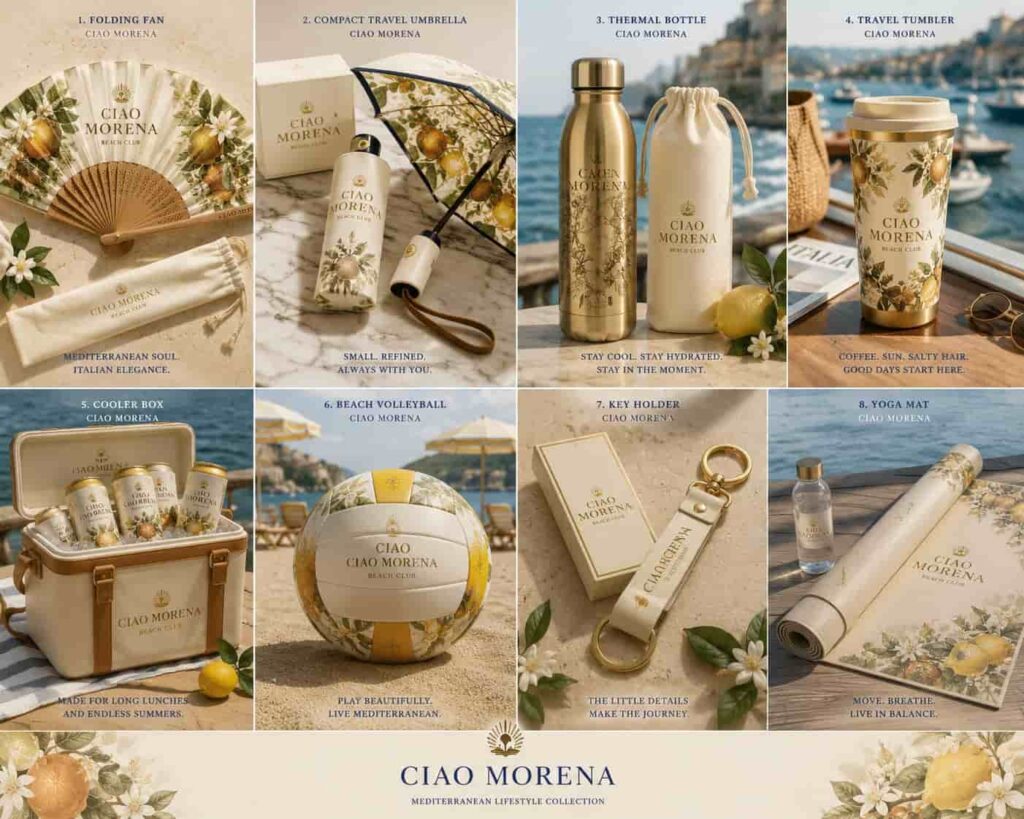
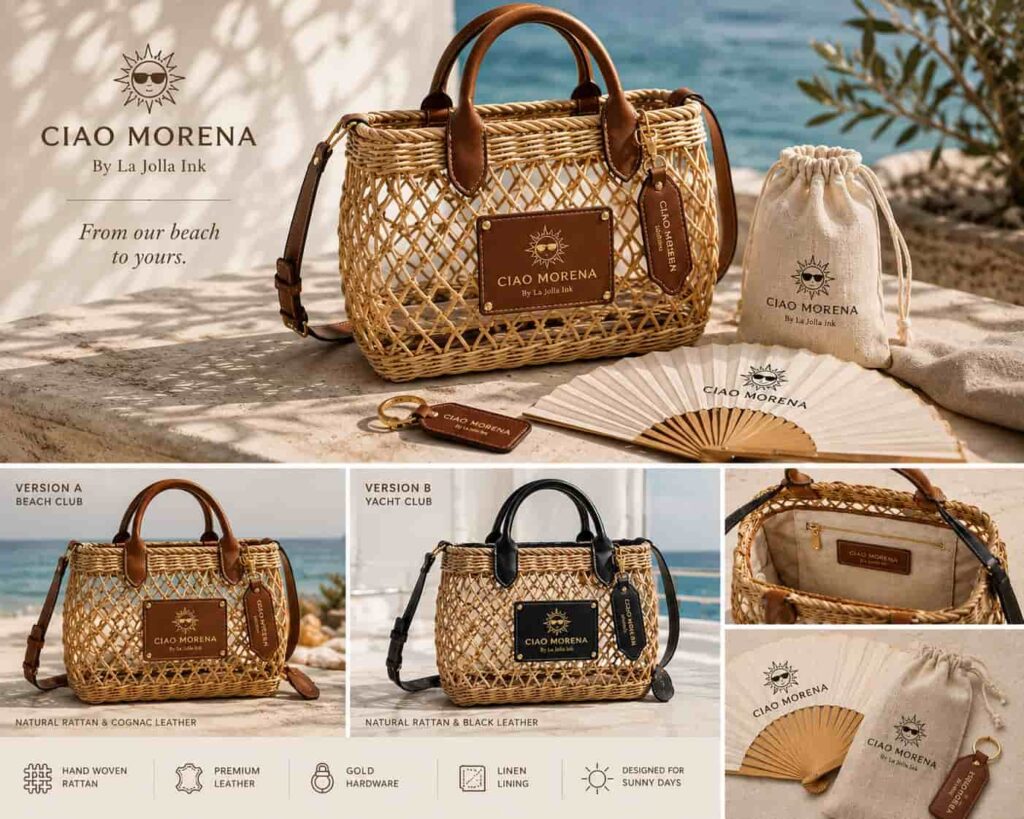
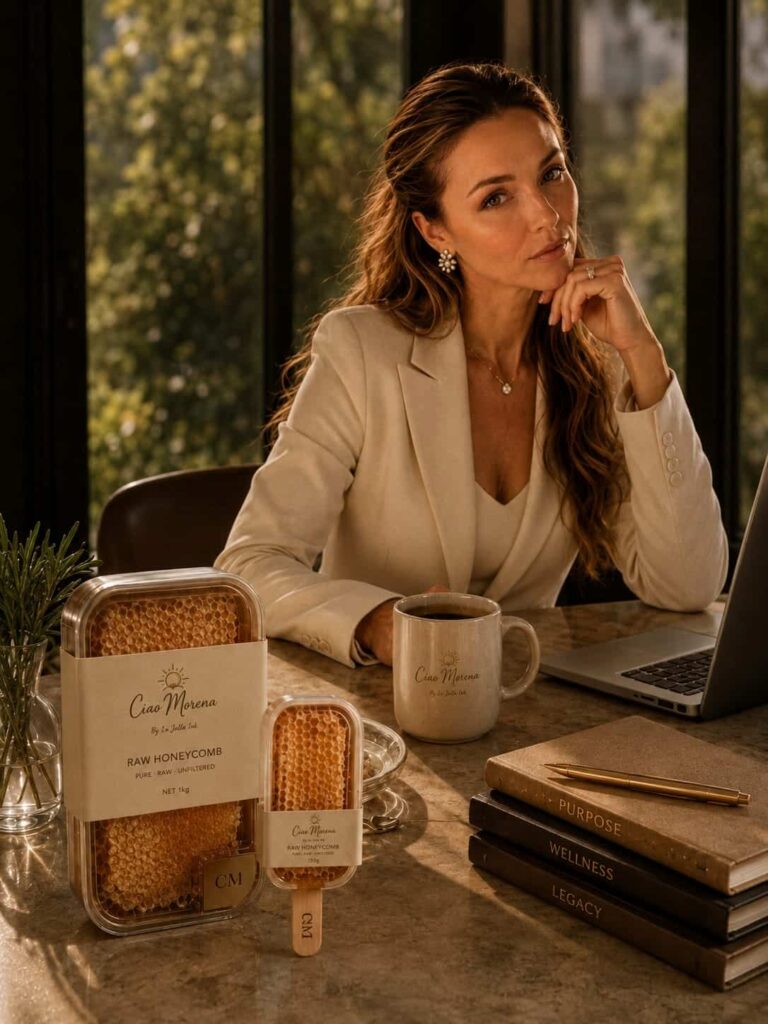
This philosophy sits at the center of her own brand, Ciao Morena, which has been in development for a full year. She describes an extensive research process across multiple markets, carried out with some of the most recognized franchise experts working today, drawing on expertise from four corners of the world. Medical experts from America, franchise experts from Hong Kong and Las Vegas, and branding and visual identity experts who have shaped well-known icons all played a part in getting the brand ready for today’s market. Ciao Morena is built as a lifestyle brand, with a main line of canned drinks, fresh pressed juice, healthy popcorn, gastronomic chips, and a selection of honey products. Alongside this sits a beauty line, developed in partnership with a business partner from South Africa, and a juice line created with a wellness company from the United Kingdom. A second line brings accessories that will appear in shops, partner beach clubs, and the brand’s own chateau hotel. The Ciao Morena world also extends into media, with a gastronomic travel television show developed together with a British writer and produced through her in-house agency, Room 404.
Morena has watched her brand attract attention since the earliest stage of its development, and she hopes it can serve as an example to smaller brands, many of which rush to be seen without asking for expert guidance first. She speaks about Ciao Morena with real affection and says she cannot wait for its official launch.
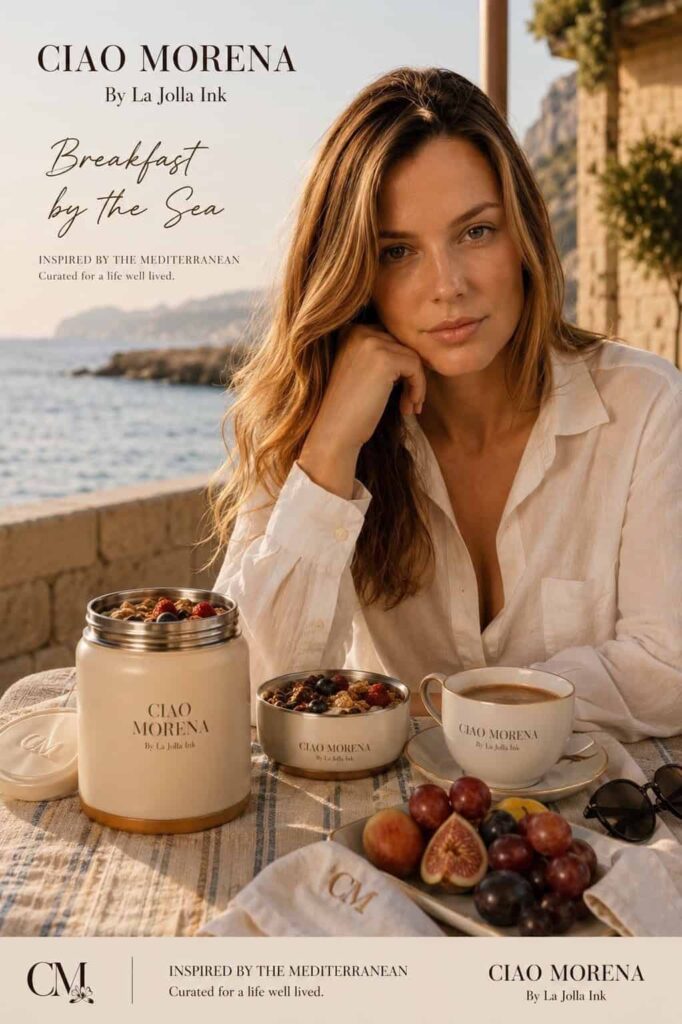
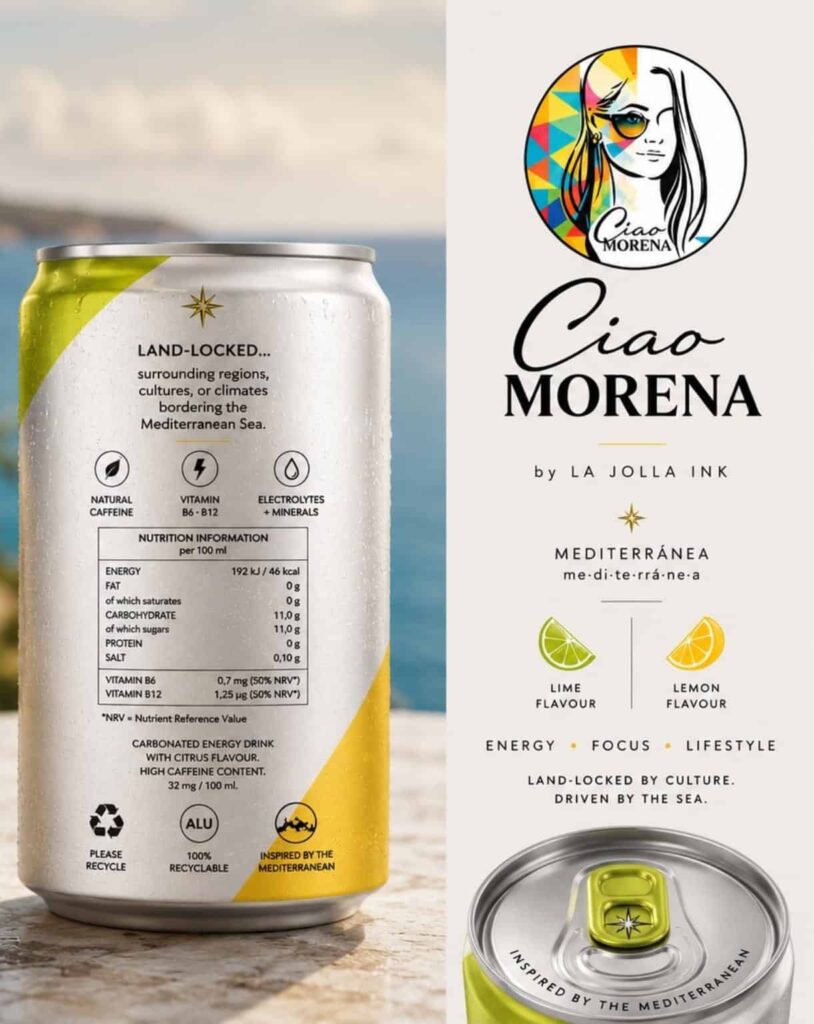
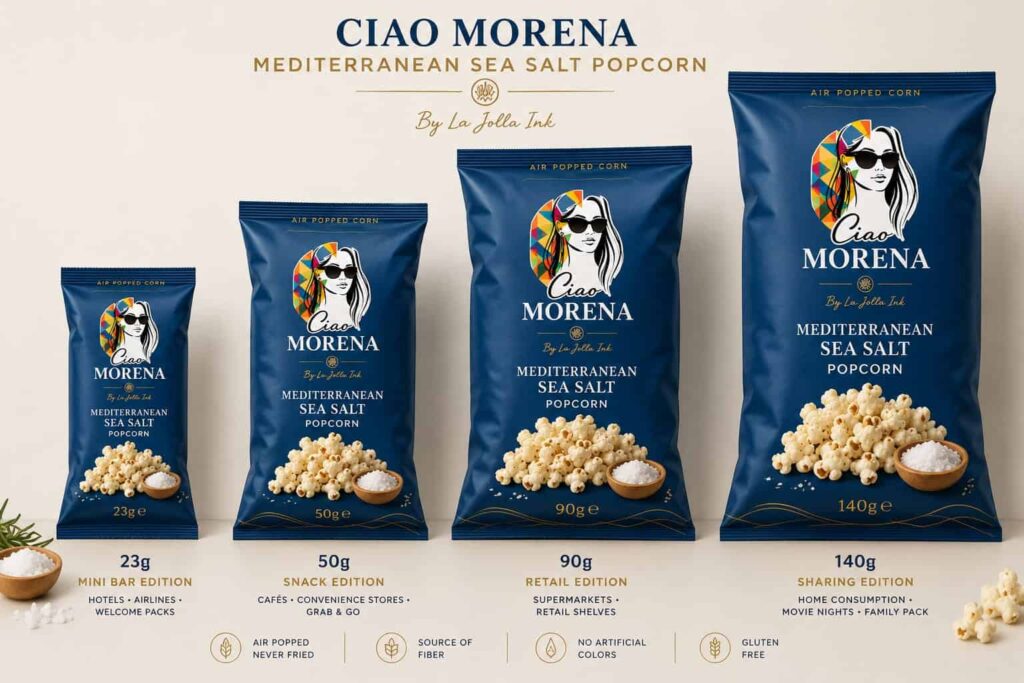
When she talks about where brands go wrong, her list is direct. The most common mistakes she sees are a lack of target focus, no core strategy, copying rivals, and chasing short-lived trends. A lack of target focus means trying to please everyone, which makes a message too broad to truly connect with anyone. No core strategy means choosing a logo or a color palette before the business even understands its own unique value or its reason for existing. Copying rivals is, in her words, the most irritating form of admiration, because imitating a competitor stops a business from ever building its own identity. Chasing trends means leaning on fads that fade quickly, which makes a brand look outdated almost as fast as it launched. Her advice for avoiding these traps is straightforward: define a clear target audience, write strict brand guidelines, and communicate a core vision consistently. Do that, she says, and a brand is far more likely to have what she calls a safe journey.

None of this understanding came overnight for Morena. She describes it as a process of maturing, built one step at a time across many years, multiple challenges, long hours, and different roles within different companies. Her view is that a person needs to know it all, from the ground up, before they can build a truly successful strategy for any brand or business, in any country. When she points to examples of brands that get it right, she names Apple, Nike, and Starbucks, companies she sees as delivering steady value and standing out clearly while building deep trust with the people who buy from them.
As a brand strategist, Morena often describes brand strategy as a brand’s north star. It is the guiding light behind every interaction an audience has with a brand, shaping how people see it and whether they choose it over a competitor. She likes to quote the idea that the essence of strategy is choosing what not to do, and she believes that single line captures the whole discipline. A world class brand strategy, in her view, never stays on the surface. It has to reach the feelings and emotions a brand needs to create in the people it hopes to reach.
She has also watched technology reshape her industry from the ground up. Branding once relied on print media, television advertising, direct mail, and the experience of walking into a physical store to build trust and identity. Digital media changed all of that, turning static logos into dynamic, interactive experiences. Brands today depend on real-time social engagement, AI-driven personalization, and consistency across every channel to shape how the public sees them, build trust quickly, and adapt as consumer behavior shifts around the world. The rise of artificial intelligence and big data analytics has given businesses new tools for hyper-personalized customer experiences, while platforms like Facebook, Instagram, TikTok, and LinkedIn have turned social media into a genuine branding powerhouse, letting companies engage with their customers in real time.
Even so, Morena is careful to separate creativity from strategy. She believes the real measure of a marketing strategy lies in balancing creativity with business goals, and she is quick to point out that the two do not always align on their own. Creativity is essential. It captures attention and sets a brand apart. But without a solid strategy behind it, a campaign can become what she calls a beautiful illusion, the kind of work that wins attention and even awards without ever moving sales or growth.
Looking toward the near future, Morena sees a branding landscape that has become more demanding than ever. With smartphone screens, apps, and social platforms all competing for attention around the clock, she believes a brand that is not recognizable within half a second is already lost in the scroll.
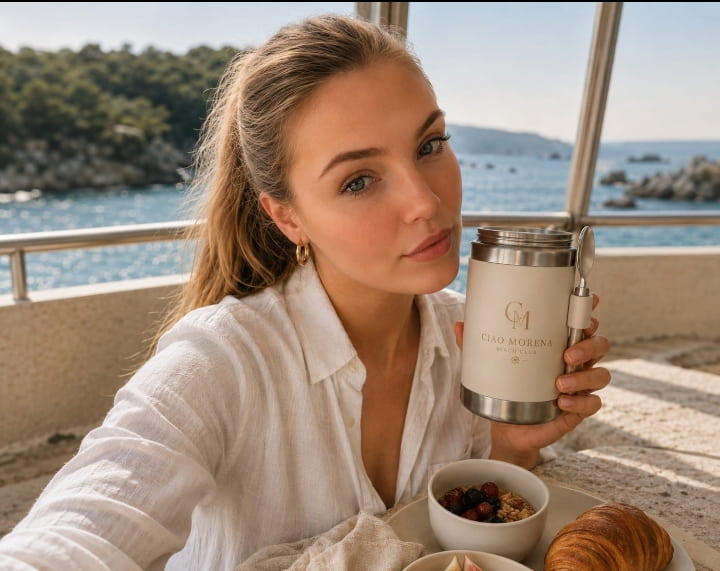
That urgency is why short-form video, motion, and instant clarity have become such important trends heading into 2026, especially now that AI systems are part of the mix. She describes the branding landscape of 2026 as shaped by a core paradox, the tension between the efficiency of automated AI tools and a genuine craving for raw, human imperfection, tactile textures, and adaptive, motion-first design. She points to three forces she believes will define the year ahead: human-centric design, which puts the real needs of people first in every plan; digital evolution, which uses new tools to connect brands and users smoothly; and cultural relevance, which means staying active and honest in a fast-changing world.

The essence of strategy is choosing what not to do.
For Morena, all of this comes back to storytelling. Like anyone building a brand or a company, she sees her work as creating vision and telling stories that connect. Room 404, her in-house agency, carries a subtitle that sums up her whole approach to the industry: why brands need translators. It is a simple statement, but for Morena, it says everything about the work she has spent twenty years learning to do.