Most Impactful Public Relations Strategist of the Year 2026
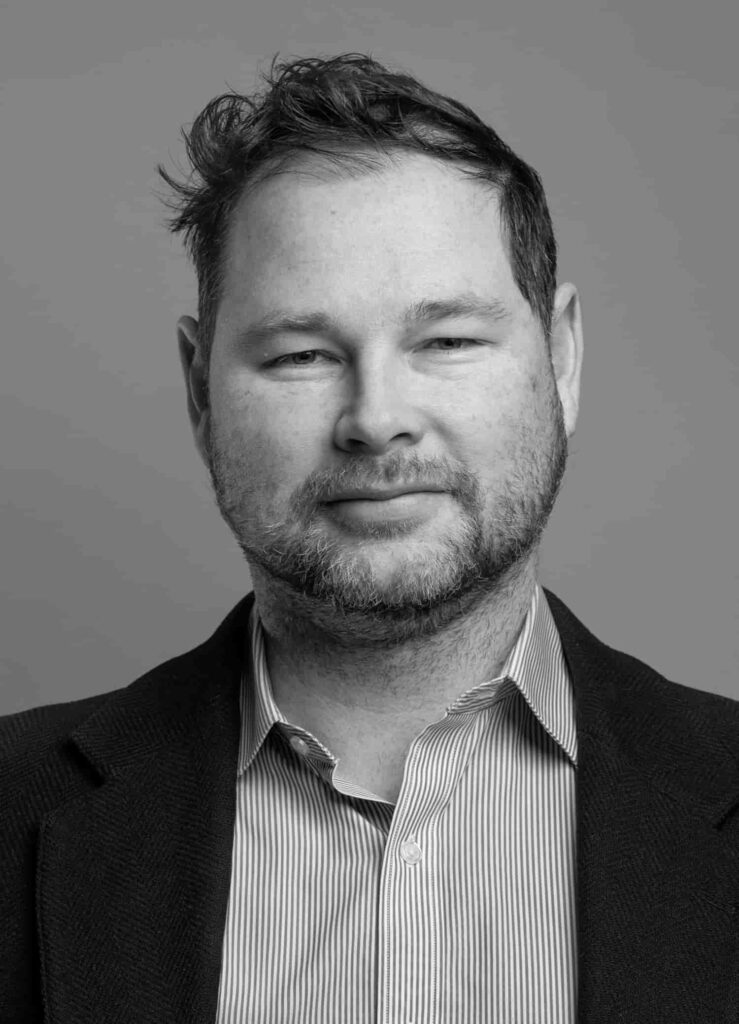
Stefan Lysak – Where Data-Driven Strategy Meets Brand Leadership
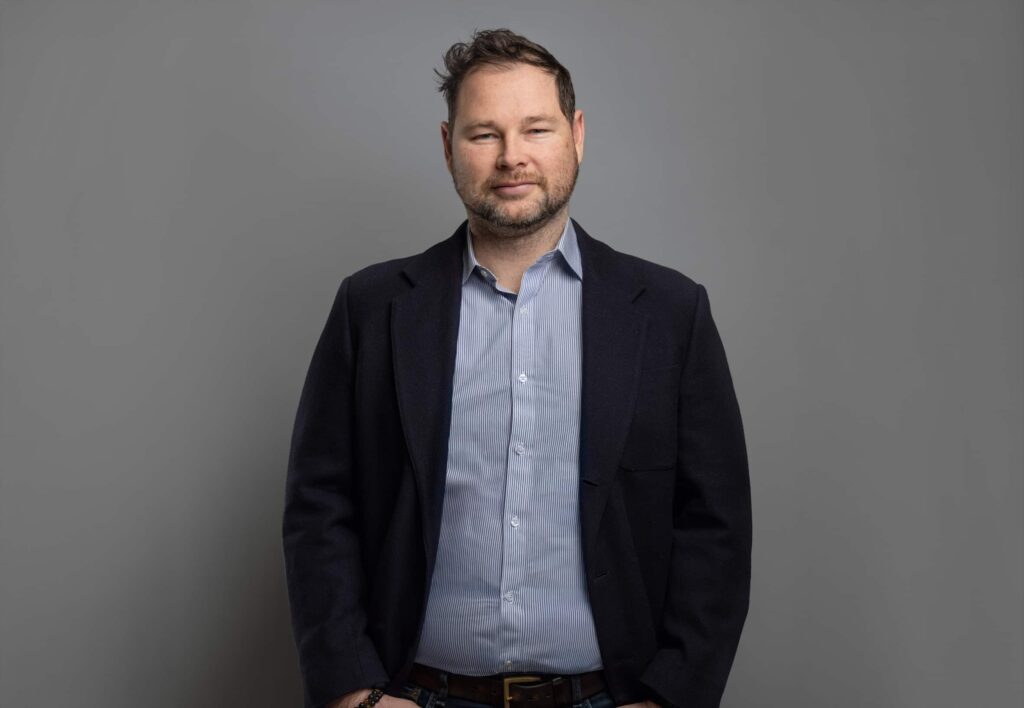
Stefan Lysak is a marketing executive with a career built across consulting, market intelligence, and commercial strategy. He currently leads marketing for Roland Berger across the Americas, a role spanning brand, thought leadership, digital marketing, CRM, public relations, and events. His team operates across the United States, Canada, Mexico, and Latin America, working toward one goal: helping consultants build stronger client relationships, strengthening the firm’s reputation, and driving measurable business growth.
Stefan Lysak | Chief Marketing Officer | Roland Berger
For Lysak, marketing is not a support function but a commercial discipline with clear accountability for business outcomes. At EliteX, we are proud to have Stefan Lysak as part of the edition: Prominent CMOs Redefining Brand Strategy, 2026.
Lysak’s path into marketing began early, in his family’s custom market research business. Working closely with clients gave him a front-row view of how customer insight shapes better business decisions, sparking a lasting interest in the field. He went on to study marketing at the Carroll School of Management at Boston College, laying the foundation for a career that would eventually lead him to the top of the marketing function.
Marketing leaders earn influence by helping organizations grow. And most importantly, stay curious.
His journey to becoming a Chief Marketing Officer was shaped by leadership roles across market research, product marketing, commercial excellence, consulting, and professional services. Each role widened his perspective beyond marketing itself, giving him a working understanding of how finance measures value, how sales builds relationships, and how operations supports growth. Today, he spends as much time working with business leaders on strategy as on marketing initiatives, reflecting his belief that modern CMOs succeed by influencing decisions across the whole organization.
Asked how brand strategy has changed in recent years, Lysak points to a shift toward measurement and business performance. Organizations now expect marketing teams to show real impact through revenue, pipeline, customer engagement, and long-term brand equity. Buyers also have more information available than ever before, and expect authentic expertise rather than promotional messaging. He notes that artificial intelligence has accelerated content production industry-wide, making credibility and differentiated insight more valuable than volume alone.
Staying relevant in a fast-moving market, according to Lysak, starts with listening. His team continuously monitors client priorities, market conditions, competitor activity, and performance data, using those insights to shape messaging, campaigns, and investment decisions. He believes strong brands stay true to their purpose even as they adapt how they communicate, and prefers to focus on issues where his firm’s expertise delivers real value rather than chasing every passing trend.
Customer experience sits at the center of his marketing philosophy. Lysak sees every interaction with the brand as a chance to build trust, whether a client is downloading a report, attending an event, or entering a long-term partnership. He credits close alignment among marketing and client teams as the key to delivering a consistent experience from first contact through the life of the relationship.
Data plays an equally central role in his decision-making. Lysak and his team measure campaign performance, engagement, CRM activity, digital behavior, pipeline contribution, and return on investment, replacing assumptions with evidence. Strong data, he adds, also improves conversations with leadership by making marketing performance measurable in terms of business outcomes rather than activity alone.
When balancing creativity with business objectives, Lysak is clear about where each fits. Creativity attracts attention, he says, while strategy delivers results. Every campaign begins with a defined business objective, target audience, and success metric, with creative execution supporting those goals rather than driving them. His teams test ideas, measure performance, and refine campaigns based on evidence, combining compelling storytelling with commercial discipline.
Creativity attracts attention. Strategy delivers results.
On artificial intelligence, Lysak sees it as a tool that has improved productivity across research, content development, campaign planning, analytics, and personalization, freeing time for strategic work. Even so, he maintains that leadership, judgment, and customer understanding remain human responsibilities, and that organizations combining technology with strong marketing fundamentals will build the strongest competitive positions.
Among the initiatives he is most proud of is a campaign focused on manufacturing leadership during a period of supply chain and trade uncertainty. The effort combined original research, executive webinars, industry events, digital campaigns, media outreach, and targeted CRM programs into one integrated message, strengthening executive engagement, generating qualified opportunities, and reinforcing the firm’s position as a trusted advisor across key industrial sectors.
Trust, in Lysak’s view, is built through consistency and credibility. Organizations earn trust by providing useful insights, respecting customer data, communicating transparently, and delivering on commitments. His guiding principle is that marketing should educate before it promotes, and that clients who consistently receive valuable, expertise-backed perspectives go on to build far stronger long-term relationships with a firm.
Looking at what defines successful marketing leaders in 2026, Lysak highlights commercial thinking, adaptability, curiosity, strong communication, financial acumen, and data literacy, alongside empathy for customers and the confidence to decide amid uncertainty. Leadership today, he says, means balancing innovation with accountability while keeping teams focused on measurable priorities.
Within his own team, Lysak encourages a culture of testing and open learning, where ideas are tried, results shared openly, and lessons drawn from both success and failure. He acknowledges that today’s CMOs face growing pressure to drive growth amid rapid technological change and economic uncertainty, often with limited resources. His approach is to prioritize initiatives with measurable business value, stay closely aligned with leadership, and let data guide investment decisions.
For professionals aspiring to become future CMOs, Lysak’s advice is to build broad business experience early, learning finance, sales, operations, customer experience, and strategy alongside marketing itself. He encourages developing strong communication skills and comfort with data, and above all, building credibility through business results, since marketing leaders earn influence by helping their organizations grow. His final piece of advice is simple: stay curious.
Marketing does not end when someone downloads a report or attends an event. Every touchpoint builds trust and long-term relationships.