Gas well performance depends on accurate data and consistent monitoring. Over time, production can decline due to pressure changes, blockages, or mechanical issues inside the well. Without clear insight, it becomes difficult to determine what is affecting output.
Operators rely on reliable tools to understand well conditions and maintain steady production. These tools provide detailed information that supports better decision-making and long-term planning. Modern technologies now offer deeper visibility into well performance than ever before.
Casedhole logging plays a key role in evaluating wells after completion. It helps detect problems early and supports more efficient operations. Strong data leads to better control, improved efficiency, and more consistent results.
What Is Casedhole Logging?
Casedhole logging is a method for collecting data from a well after casing has been installed. It allows operators to evaluate conditions inside the well without interrupting production. This makes it a valuable tool for ongoing monitoring.
Unlike open-hole logging, which is performed before casing, this approach focuses on long-term performance. It helps track changes in flow, pressure, and structural conditions over time.
The information collected provides a clearer picture of how the well is performing. It supports maintenance planning and helps extend the well’s productive life.
Why Performance Monitoring Is Critical in Gas Wells
Gas wells are constantly changing systems. Reservoir pressure can decline, and flow patterns may shift as production continues. These changes can affect output if they are not managed properly.
Regular monitoring helps detect issues early. It reduces the risk of unexpected failures and production loss. Operators can take corrective action before problems become severe.
Accurate data also improves planning. It allows teams to adjust strategies and maintain stable production levels. This leads to better efficiency and long-term reliability.
How Casedhole Logging Improves Gas Well Performance
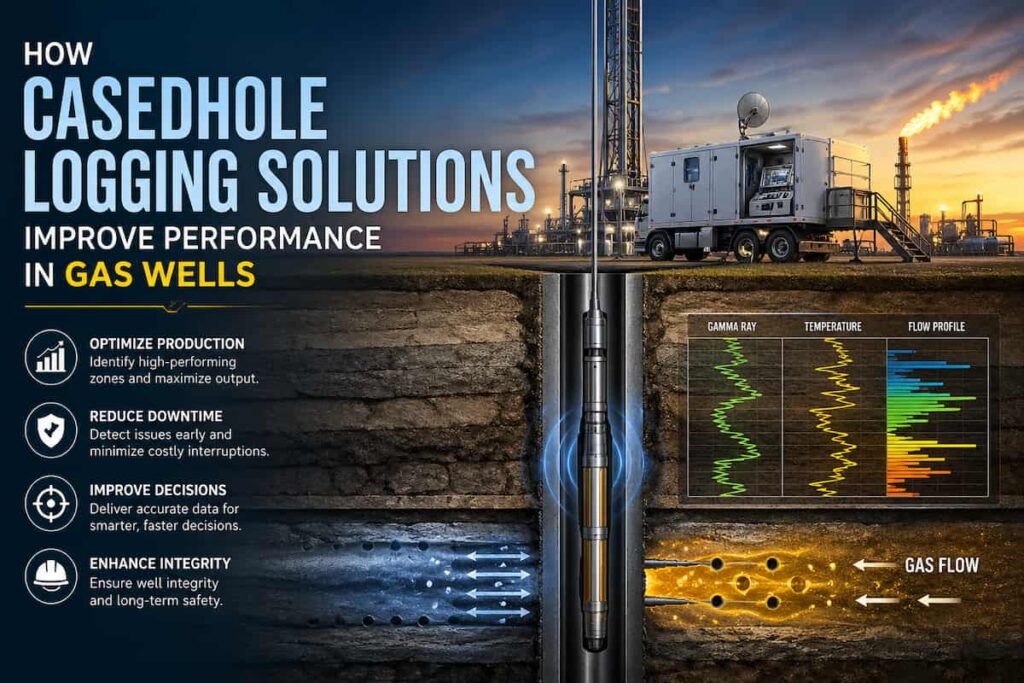
Accurate diagnostics are essential for maintaining production. Tools used in casedhole logging provide detailed insight into flow conditions, fluid movement, and well integrity. They help detect issues such as leaks, channeling, or uneven production across zones.
And the best part? Advanced approaches, such as casedhole logging solutions, enhance this process by providing more detailed, structured data to support better decision-making. And companies like Versa-Line focus on delivering precise data while supporting operations in complex well environments. This integrated approach allows operators to maintain better control over production and improve overall performance.
These solutions also support perforating operations, which create pathways for hydrocarbons to flow into the wellbore. Logging data helps identify the most productive zones and ensures that perforations are carried out effectively. This improves flow efficiency and reduces unnecessary interventions.
Enhancing Well Integrity and Safety
Well, integrity is essential for maintaining long-term performance. Over time, casing can experience wear, corrosion, or structural stress. These issues can lead to leaks or reduced efficiency if not addressed.
Casedhole logging helps monitor the condition of the casing and surrounding structures. It provides early warnings of potential problems, allowing operators to take preventive action before issues escalate.
Maintaining well integrity reduces operational risks and supports safer working conditions. It also helps avoid costly repairs and unplanned downtime. Early detection plays a key role in preventing major failures. Consistent monitoring improves planning as well. Teams can schedule maintenance more effectively and avoid disruptions that affect production.
Supporting Data-Driven Workover Decisions
Workovers are often required to restore or improve well performance. Without accurate data, these operations can be time-consuming and expensive.
Logging data provides a clear understanding of well conditions. It helps determine whether intervention is needed and where it should be focused. This reduces guesswork and improves efficiency.
Targeted workovers save both time and resources. They also help extend the productive life of the well. When operators know exactly where to act, they can avoid unnecessary procedures. Better planning leads to smoother operations. It minimizes production interruptions and ensures resources are used more effectively.
Improving Production Efficiency Over Time
Continuous monitoring allows operators to track performance trends. This helps identify patterns that affect production and highlights areas that need improvement.
Optimizing flow and targeting productive zones leads to higher output. It also reduces wasted effort and unnecessary operations. Even small adjustments can result in meaningful improvements over time.
Reliable data supports stronger long-term strategies. Operators can respond quickly to changes in well conditions and maintain consistent production levels. Improved efficiency also helps reduce operational costs. It creates a more stable and predictable production environment throughout the well’s life.
Conclusion
Gas well performance depends on accurate data and informed decision-making. Without proper monitoring, small issues can develop into larger problems that impact production. Casedhole logging provides valuable insight into well conditions. It supports better planning, improves efficiency, and helps maintain consistent output. With the right approach, operators can extend well life and achieve more reliable results. This also helps reduce operational risks and maintain stable production over time.