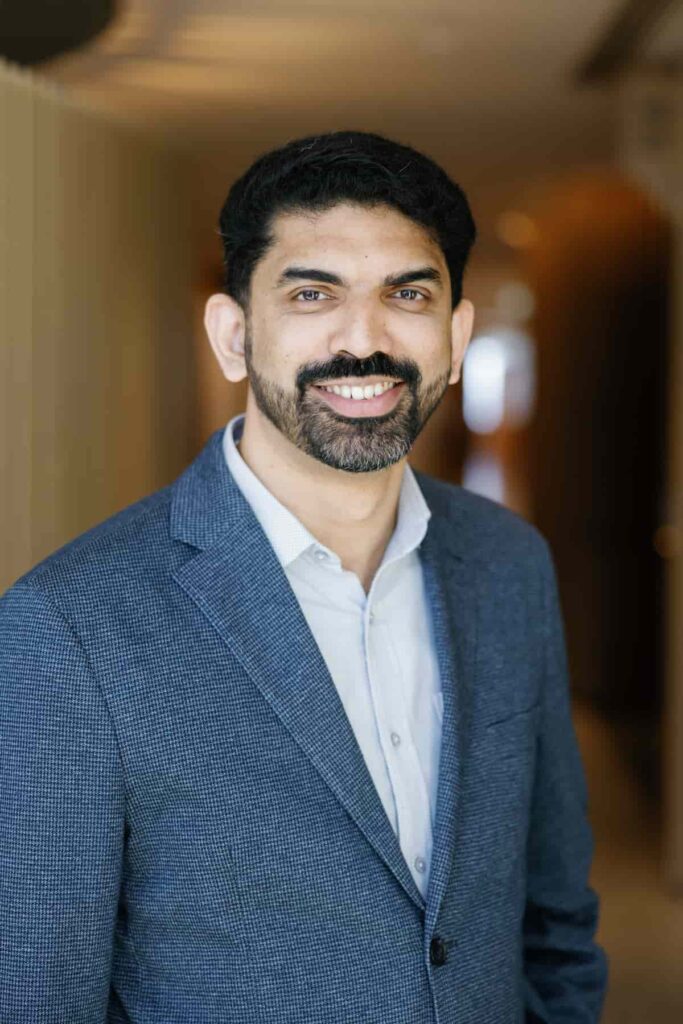
Subhash Chandra Jose is a seasoned technology leader who plays a critical role in shaping how innovation supports global development. As Managing Director and Chief Information Officer at the European Bank for Reconstruction and Development (EBRD), he is responsible for ensuring that technology is not just a support function but a strategic driver of impact and a key enabler of the Bank’s mission.
Subhash Chandra Jose | Managing Director and Chief Information Officer | EBRD
His work focuses on building strong, modular platforms, modernising core systems, and embedding data and artificial intelligence into decision-making processes. His approach reflects a clear understanding that technology must enable organisations to operate efficiently at scale while staying aligned with their mission. At EliteX, we are proud to have Subhash Chandra Jose as part of the edition: Visionary Leaders in Innovation & Technology, 2026.
His journey into technology was driven by a deep belief in its ability to create real and meaningful impact. From early in his career, he recognised how thoughtful engineering could simplify complex problems and deliver solutions that matter. This problem-solving mindset continues to guide him. For him, technology is not only about systems and tools, but also about people. He believes that the true value of innovation lies in how it improves human experiences, removes friction from daily work, and allows individuals to focus on more meaningful decisions.
Leadership is about enabling people to succeed and helping teams move forward together
Subhash’s leadership style is defined by clarity, adaptability, and a strong sense of service. In a fast-changing technology environment, he places importance on having a clear long-term vision while remaining flexible in execution. He believes that leadership is about enabling and inspiring people to succeed. By removing obstacles, providing clarity of purpose, motivating teams and supporting continuous learning, he creates an environment where teams and individuals can perform at their best. His leadership philosophy is deeply influenced by values he has carried throughout his life, especially the belief that leadership is about serving others and helping them grow.
A key element of his leadership approach is the emphasis on strong partnership with the business. He believes that technology organisations must work closely with business functions, fully aligned with the mission and purpose of the institution. By fostering collaboration and shared accountability, he ensures that technology initiatives directly contribute to organisational outcomes rather than operating in isolation.
Innovation, in his view, is not about chasing trends or novelty. It is about creating practical value through thoughtful and purposeful change. He often applies first principles thinking, which involves breaking down problems to their most basic level and building solutions from the ground up. This approach helps remove unnecessary complexity and ensures that efforts are focused on areas that deliver the greatest impact. In an international organisation, he emphasises that innovation must always be responsible, inclusive, and aligned with real-world needs.
One of the most significant achievements in his career has been leading a large-scale transformation in how technology is positioned within the organisation. Instead of focusing on isolated projects, he has helped shift towards a platform-led approach supported by a clear technology blueprint. Managing a wide portfolio of programmes, he has contributed to improving delivery speed and consistency. This has enabled progress in areas such as core banking systems, cloud infrastructure, data capabilities, and cybersecurity. The transformation reflects not just technical progress but also a cultural shift towards collaboration and shared purpose.
Central to this transformation has been a strong focus on change management. He recognises that successful transformation is not only about implementing new technologies, but also about guiding people through change, building trust, and ensuring adoption across the organisation. By combining structured change management practices with clear communication and stakeholder engagement, he has helped to drive sustainable and lasting transformation.
Like many technology leaders today, Subhash operates in an environment shaped by constant global change. Events such as economic disruptions, geopolitical tensions, and rapid technological shifts have made the business environment highly dynamic. In this context, his approach to strategy has evolved. Rather than seeing it as a fixed plan, he treats strategy as a flexible system that must adapt as conditions evolve. He believes in structured adaptability, where priorities can be adjusted without losing direction or intent. This mindset allows organisations to remain resilient while continuing to deliver results.
Encouraging creativity within teams is another area he focuses on strongly. He believes that innovation thrives when people feel trusted and supported. By promoting collaboration, simplifying processes, and encouraging decisive action, he creates an environment where ideas can turn into real outcomes. Open communication also plays an important role. He values listening, diverse perspectives, and the confidence to challenge assumptions, as these elements are essential for generating meaningful innovation.
Innovation succeeds when it creates practical value and improves real-world outcomes
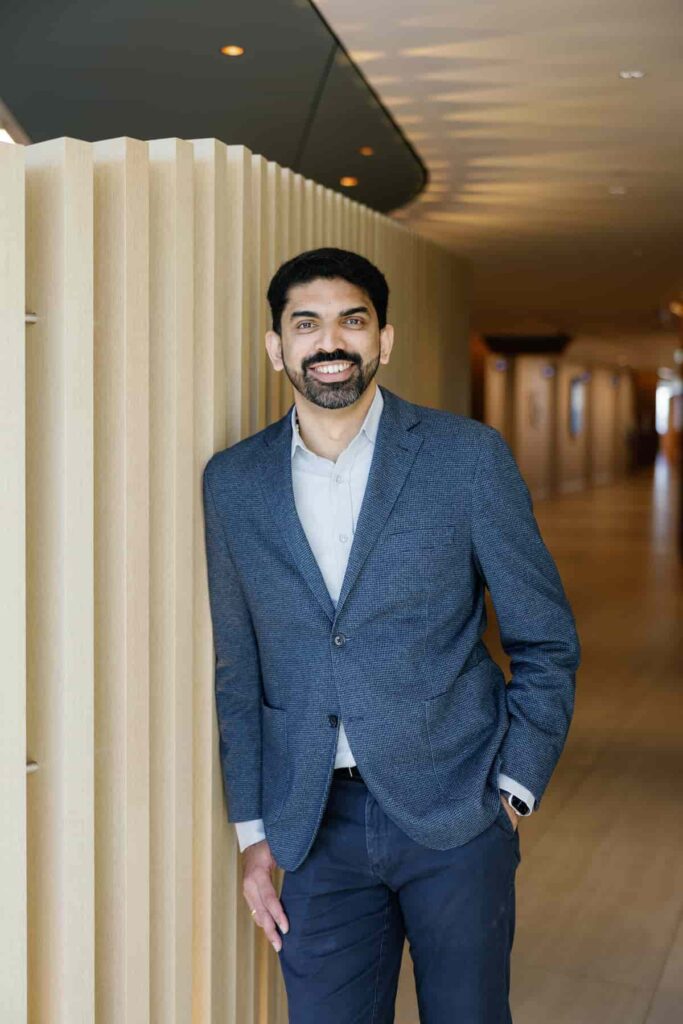
Looking ahead, Subhash sees data and artificial intelligence as key forces shaping the future. He also highlights the importance of cloud platforms, modular systems, and automation in enabling organisations to respond quickly to change. At the same time, he recognises the growing importance of emerging technologies such as quantum computing, especially in areas like secure communication and advanced problem-solving. He believes that the true impact of these technologies will depend on how they are integrated responsibly and aligned with organisational goals.
Staying updated in such a rapidly evolving field requires continuous learning. Subhash maintains a strong sense of curiosity and actively engages with peers, industry forums, and experts. He values both theoretical knowledge and practical experience, often encouraging experimentation and learning through real-world application. This balanced approach helps him stay informed while also inspiring teams to innovate with confidence and intent within his organisation.
At the EBRD, sustainability and social responsibility are fundamental, not optional. The Bank’s mandate is rooted in promoting environmentally and socially sound development, fostering inclusive and well-governed markets, supporting democratic principles, and operating with integrity and transparency across diverse regions.
Subhash’s role is directly shaped by this mandate, with responsibility for ensuring that technology enables the EBRD to operate effectively at scale while delivering on its development mission. In this context, technology must support real-world outcomes, whether by enabling climate finance, advancing gender equality, strengthening transparency and governance, or improving how the organisation serves its countries of operation. Innovation that does not consider long‑term impact and responsibility is not innovation that lasts, and this principle underpins how technology is designed, governed, and deployed at the EBRD.
Subhash Chandra Jose’s journey reflects a clear commitment to purpose-driven leadership. His ability to combine technical expertise with a people-centred approach allows him to lead transformation at scale while staying grounded in impact. By maintaining clarity of vision, fostering strong partnerships and inspiring teams, he plays a key role in enabling the EBRD to deliver on its mission – demonstrating how technology, when guided by purpose and responsibility, can create meaningful change across regions and communities.
Technology is not a support function but a strategic capability that drives real impact